Australia's Highest Paying Gold Buyers $$$


Watch Buyers Sydney: What Happens During a Watch Appraisal
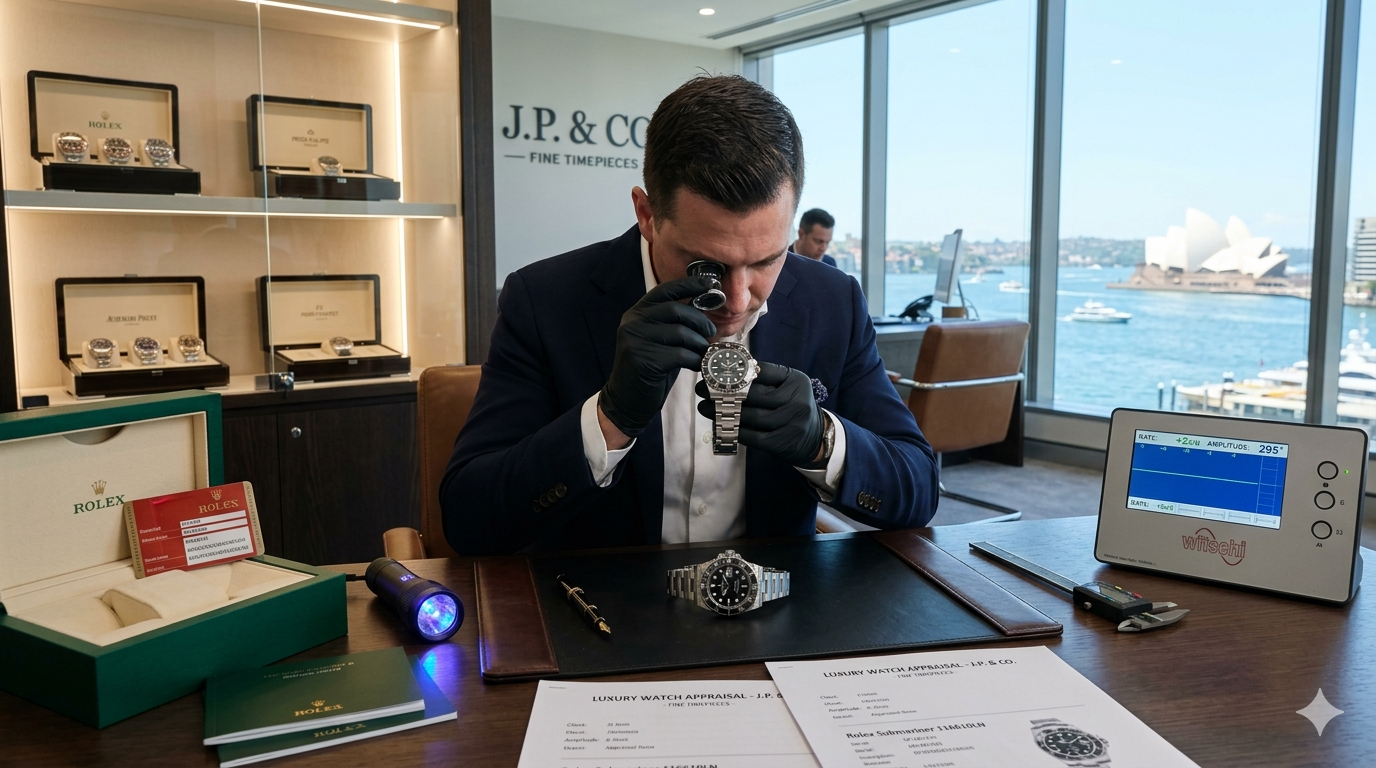
If you plan to sell a luxury watch, you may wonder what happens during the appraisal process. Many people feel nervous when they hand over an expensive watch for inspection. They want to know how experts decide the value and whether they are getting a fair offer.
At Watch Buyers Sydney, the appraisal process is designed to be simple, clear, and fair. If you are searching for a Watch Buyer in Sydney, it is important to choose someone with experience, strong market knowledge, and a clear process. Many people who sell luxury watches also Sell Gold in australia, so choosing a trusted buyer for both watches and gold can save time and help you get better value. Experts look at your watch closely, check if it is real, review its condition, and compare it with current market prices. This helps them offer the right value for your watch.
Sydney’s luxury watch market is growing fast. In 2025, the market reached around $150 million in sales. This means there is strong demand for luxury watches like Rolex, Omega, Patek Philippe, and Cartier.
In this blog, you will learn exactly what happens during a watch appraisal, from the first check-in to the final offer.
Step 1: Prep and Initial Check-In
The first step in a watch appraisal starts before the expert even touches the watch. Preparing well can help you get a better price.
Gathering Your Watch’s History
When you visit a watch buyer, they will usually ask if you have:
Original box
Warranty card
Purchase receipt
Service history
Extra links or straps
Instruction booklet
These items help prove that your watch is genuine and well cared for.
For example, a 1970s Omega Speedmaster with its original papers and box may sell for up to 20% more than the same watch without documents.
If you still have all the original items, bring them with you. They can make a big difference to the final value.
Before your appointment, lightly clean your watch with a soft cloth. Remove dust and fingerprints. Do not try to polish it yourself because poor polishing can lower the value.
Quick Visual Scan
Once you arrive, the expert will do a quick first look at the watch.
They will check for:
Scratches
Missing parts
Signs of heavy wear
Broken glass
Loose bracelet links
Signs of fake parts
Many experts say the first look tells them a lot.
As Sydney appraiser Mark Lee says, “First glance tells 80% of the story.”
This quick scan helps the buyer decide whether the watch looks genuine and whether it may need further inspection.
Industry reports show that around 15% of watches brought in for appraisal show signs of tampering or non-original parts.
Step 2: Hands-On Physical Inspection
After the quick check, the watch expert moves to a more detailed inspection.
Case and Dial Exam
The watch case and dial are very important because they affect both beauty and value.
The expert may:
Measure case thickness
Check engravings
Inspect the dial under magnification
Look for scratches or dents
Examine the crown and pushers
Inspect bracelet wear
Luxury watch buyers know that even small details matter.
For example, a scratched Patek Philippe may lose thousands in value. In one case, careful professional polishing helped restore around $5,000 in value.
The dial is one of the most important parts of the watch. Experts look for:
Original hands
Original dial color
Matching lume
Clean logo printing
No water damage
They also inspect the crystal closely.
Small cracks or chips in the crystal can reduce the value of a watch.
Movement and Function Test
The movement is the engine inside the watch.
The buyer will test whether the watch keeps time properly and whether all functions work.
They may:
Wind the watch
Set the time
Test the date function
Listen for unusual sounds
Check the power reserve
Use timing equipment
A smooth-running watch is worth more than one that needs repair.
Many buyers prefer watches with trusted movements such as ETA or in-house Swiss calibers.
If your watch has not been serviced for years, it may lose value.
Regular servicing can help protect the watch and improve the appraisal result.
Most experts recommend servicing luxury watches every few years, depending on the brand.
Step 3: Deep Authentication Dive
One of the most important parts of a watch appraisal is making sure the watch is real.
Counterfeit watches are common, especially with brands like Rolex, Omega, and Audemars Piguet.
Serial Number and Hallmarks Verification
Every luxury watch has serial numbers and model numbers.
The expert will compare these numbers with brand databases and official records.
They will also check:
Hallmarks
Reference numbers
Logo placement
Engraving quality
Font style
For example, one fake Rolex Daytona was caught because the serial font did not match genuine Rolex records. This saved the seller from losing around $10,000 in a bad deal.
Counterfeit watches make up around 10% of luxury watch listings in Sydney, which is why this step is so important.
Expert Tools in Action
Modern watch buyers use advanced tools during the authentication process.
These tools may include:
UV lights
Magnifying glasses
LED lights
X-ray machines
Timing machines
Water resistance testers
UV lights help experts check the lume on the dial and hands.
X-ray tools can help inspect internal parts without opening the watch.
As one Watch Buyers Sydney lead technician says, “Tech spots what eyes miss.”
Experts may also:
Verify bezel rotation
Test chronograph functions
Check water resistance
Inspect internal movement parts
This detailed process helps confirm whether the watch is fully original.
Step 4: Market Value Crunch
Once the watch is inspected and authenticated, the buyer works out its market value.
Comparable Sales Review
Watch buyers do not guess the value. They compare your watch with similar recent sales.
They may look at:
eBay sold listings
Chrono24 prices
Auction house sales
Dealer listings
Local Sydney market demand
For example, the Rolex GMT-Master II had an average selling price of around $18,000 in Sydney during 2024.
This type of data helps buyers make a fair offer.
If you want to understand market prices before your appointment, you can also check watch websites and apps like WatchBox.
Doing some research yourself can help you feel more confident.
Condition and Rarity Grading
Condition plays a huge role in the final price.
Most buyers grade a watch from 1 to 10.
A watch in mint condition with very little wear can sell for much more than the same model with scratches, missing parts, or heavy use.
Mint condition watches often receive a 30% to 50% premium.
Rarity is also important.
Limited edition models, discontinued watches, and rare dial variations often attract higher prices.
A rare vintage Rolex or limited-edition Omega may sell for much more than a standard version.
As one veteran watch buyer says, “Rarity trumps age.”
An older watch is not always worth more. Sometimes a newer but rare watch can bring a much higher price.
Step 5: The Offer and Close
The final step is receiving the offer.
Valuation Report Handover
After the appraisal, the buyer usually gives you a report.
This report may include:
Watch details
Condition notes
Authentication results
Market comparisons
Estimated value
Photos of the watch
Some buyers provide printed reports, while others send a PDF by email.
For example, one vintage Seiko diver was appraised at $4,200, and the client accepted a same-day cash offer.
A proper report helps you understand exactly how the value was decided.
Negotiation and Next Steps
You do not have to accept the first offer.
A good watch buyer will explain the offer and answer your questions.
You can:
Sell the watch immediately
Take time to think about it
Compare with other buyers
Consign the watch for a higher possible return
Trade the watch for another model
Never feel pressured into selling.
If the offer feels too low, you can walk away and get another opinion.
The best watch buyers want you to feel comfortable and informed.
Conclusion
A professional watch appraisal is a careful process that helps you understand the real value of your watch.
At Watch Buyers Sydney, the process usually takes around 30 to 60 minutes. During that time, experts inspect the watch, test its movement, confirm it is genuine, compare market prices, and prepare an offer.
When you understand how the process works, you can feel more confident and make better decisions.
A proper appraisal helps sellers avoid scams, get fair prices, and understand the true value of their watch.
Studies show that 95% of sellers feel more confident after going through a professional appraisal process.
If you are thinking about selling your luxury watch, book a free appraisal today and see what your watch could be worth.
Written By
Team Times&Gold
Journal Insights

Visit Us in Parramatta!
NO APPOINTMENTS NEEDED!
Located inside DLUX Jewellers
Opposite Commonwealth Bank