Australia's Highest Paying Gold Buyers $$$


Gold Buyers vs Pawn Shops in Sydney: Who Pays More?

Introduction
Imagine you have old gold jewellery that you do not wear anymore. You want quick cash, but you are not sure whether to walk into a gold buyer or a pawn shop in Sydney. Both places deal with gold, but they work very differently. The payouts can also be very different.
In this guide, we compare both options in a clear and simple way. You will learn how each place tests your gold, what they pay for it, and why the gap between their offers can be big. By the end, you will know which one usually pays more and which one may suit your needs better.
Understanding Gold Buyers and Pawn Shops
What Are Gold Buyers?
Gold buyers are businesses that focus only on buying precious metals. Their work is simple: test the gold, weigh it, calculate the value based on the day’s market price, and pay you cash. Many Sydney gold buyers post their rates online. For example, some buyers list 24-karat gold above $180 per gram and 18-karat gold around $135–140 per gram. These prices change daily, depending on the international gold market.
Because gold buyers specialise in metals, they follow market updates closely. Their profit comes from refining gold and selling it based on the melt value. That is why their pricing usually stays close to the daily spot price.
What Are Pawn Shops?
Pawn shops are different. They deal with everything—gold, electronics, musical instruments, tools, watches, and more. Their main business is lending money. When you pawn gold, you leave the item with the shop and receive a loan. You can get it back only after repaying the loan plus interest.
If you decide to sell your gold outright at a pawn shop, the shop takes more risk. They may need to resell it, store it, or send it for refining. Because of this, their payout is usually more conservative.
Key Differences in Their Business Models
The biggest difference comes from how each business makes money. Gold buyers earn by buying gold at a fair price and selling it for melt value. Pawn shops earn mainly from interest on loans. NSW regulations require pawn shops to display their fees and charges clearly. Loan interest can vary, and pawning can become expensive over time.
Because gold buyers do not deal with loans, they focus only on the gold price. Pawn shops must factor in the risk of borrowers not returning or not repaying their loans. This risk often reduces their payout when you sell gold to them.
How Gold Buyers Evaluate and Price Gold
The Valuation Process
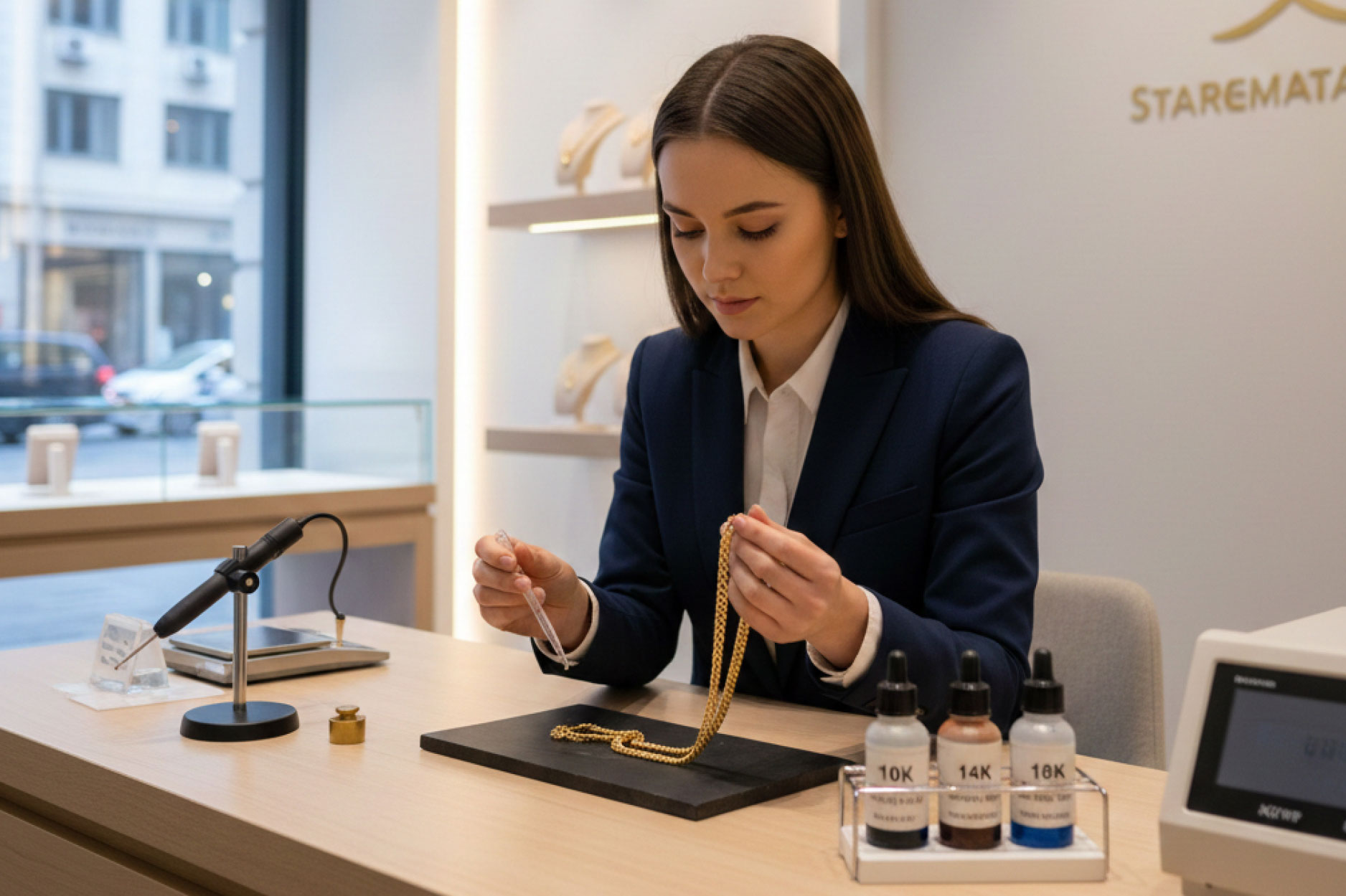
Gold buyers usually test your gold right in front of you. They check purity using acid tests or XRF machines. They then weigh the item and calculate the value based on the live gold price. Many Australian gold-buying guides explain that most buyers calculate value using karats, purity percentage, and weight.
This process is transparent. You can see the calculations, and you know exactly how the final offer is created.
Factors That Influence Your Payout
Your payout depends on several things:
Purity: Higher karat means higher purity, and therefore a higher payout.
Weight: Gold is priced per gram. Even small items can add up.
Market Prices: Gold prices change daily based on global demand.
Refining Costs: Some buyers deduct small refining fees.
Industry information shows that many gold buyers offer between 60% and 80% of the market value, depending on purity, condition, and daily market changes. However, specialist Sydney buyers who publish daily rates often pay higher percentages because they work directly with refineries.
Real-World Example: What Sellers Actually Get
Many Sydney sellers share simple stories: broken chains, single earrings, or old rings can bring better-than-expected payouts. Because dedicated gold buyers pay for melt value, the condition of the jewellery does not matter. Even tangled or damaged pieces can bring strong offers as long as they are genuine gold.
How Pawn Shops Handle Gold Transactions
The Pawning Process Step-by-Step
When you pawn gold, the shop checks your item and offers you a loan amount. This loan is often lower than the item’s full value because the shop must protect itself if you do not repay. Research on Australian pawn loans shows that they can carry high interest charges, depending on the state and the agreement. The shop keeps your gold until you repay the loan plus fees.
If you cannot repay, the pawnbroker has the right to keep the item and sell it to recover the loan amount.
Selling vs Pawning: What’s the Difference?
If you sell gold outright to a pawn shop, you get cash immediately, but the payout is often lower than a gold buyer. This is because pawn shops handle many different products and cannot match specialist pricing.
If you pawn instead of selling, you can get the gold back, but you must repay the loan plus interest. Some shops charge monthly fees, and these costs add up over time. If you only need temporary cash and want to keep your jewellery, pawning can make sense. But if you want to sell for the best price, a pawn shop is not usually the strongest option.
Case Study and Expert Opinion
Industry articles and expert discussions often point out that pawn shops are best for short-term needs, not for selling gold. Many sellers who compare offers online say they often receive a much lower quote at a pawn shop than at a gold-buying specialist. Experts note that pawn shops need to cover the risk of lending, which limits their ability to pay high prices for gold.
Comparing Payouts: Who Pays More?
Price Comparison Breakdown
Gold buyers in Sydney often pay amounts based on the live market price. Because they specialise in metals, their offers are usually much closer to the true melt value. Pawn shops, on the other hand, usually offer significantly less because their pricing is based on resale value or loan safety.
Many gold-buying guides mention that specialist buyers typically offer much higher percentages of gold value than pawn shops. Pawn shops may offer around half or less of the melt value when buying outright.
External Factors Affecting Price in Sydney
Prices can vary across Sydney. Some CBD buyers offer competitive rates because they serve more customers. Suburban pawn shops may offer lower payouts due to smaller demand. Economic trends, global gold prices, and local competition all affect what you receive.
Gold prices also rise and fall with changes in global markets. When prices rise, specialist buyers usually reflect this faster, while pawn shops may not adjust as quickly.
Actionable Takeaways for Sellers
To get the best payout in Sydney:
Compare at least three quotes.
Check online rates before you visit a shop.
Bring gold pieces sorted by karat level if possible.
Make sure your gold is tested in front of you.
Pros and Cons of Each Option
Advantages of Gold Buyers
Gold buyers offer higher and more transparent payouts. They test your gold openly, calculate the value based on the daily market, and pay cash immediately. You do not have to worry about repayments, interest, or losing your item.
Advantages of Pawn Shops
Pawn shops can be helpful if you need a short-term loan and want to keep your gold. They do not check your credit, and you can get cash quickly. If you redeem your item on time, you do not lose it.
Drawbacks and Possible Risks
With gold buyers, the sale is final. Once you sell your item, you cannot get it back. With pawn shops, the risk comes from interest and fees. If you cannot repay the loan, you lose your gold permanently. Some research highlights that pawn loans can become costly for people facing financial stress.
Conclusion
Both gold buyers and pawn shops have their place in Sydney. If you want the highest payout for your gold, a specialist gold buyer almost always offers more. Their business model is built around accurate testing and melt-value pricing. Pawn shops are better for short-term loans when you want to keep your gold, but their sale payouts are usually much lower.
Before you decide, compare your options, check the daily gold rates, and choose the place that fits your situation best. A little research can make a big difference in how much cash you walk away with.
Written By
Team Times&Gold
Journal Insights


Visit Us in Parramatta!
NO APPOINTMENTS NEEDED!
Located inside DLUX Jewellers
Opposite Commonwealth Bank