Australia's Highest Paying Gold Buyers $$$


How Does a Pawn Shop Work? A Beginner’s Guide
Introduction
Imagine you need cash quickly. You look around your home and see a gold necklace, an old laptop, or a watch you no longer use. Instead of selling it permanently, a pawn shop in Australia allows you to use that item to get a short-term loan and later take it back.
A pawn shop, also called a pawnbroker, gives loans based on the value of your item. There is usually no credit check, no bank paperwork, and the process is fast. If you repay the loan and fees on time, you get your item back. If not, the pawnbroker may sell it to recover the money.
Many people who visit a pawn shop are also looking for options to sell gold in australia when they decide they no longer want to reclaim their jewellery.
This guide will help you understand exactly how pawn shops work in Australia, step by step.
What Is a Pawn Shop and Its History
Core Role of Pawn Shops
A pawn shop offers secured short-term loans. You give an item of value as security (collateral), and the pawnbroker gives you cash based on what the item is worth in the resale market.
You are not selling the item. You are only using it to secure a loan.
Brief History Lesson
Pawnbroking is one of the oldest forms of lending in the world. For centuries, people have used valuables to borrow money in difficult times. Today, Australian pawnbrokers continue this system in a regulated way.
How Pawn Shops Differ from Payday Loans
Pawn loans are very different from payday loans:
No credit checks
No long forms
No bank statements required
If you don’t repay, you don’t owe extra money — you simply lose the item
Pawn Shop vs Selling an Item – What’s the Difference?
When you pawn, you can get your item back.
When you sell, the item is gone forever.
Some people pawn jewellery first and later choose Cash For gold services if they decide not to reclaim it.
Step-by-Step: How a Pawn Loan Works
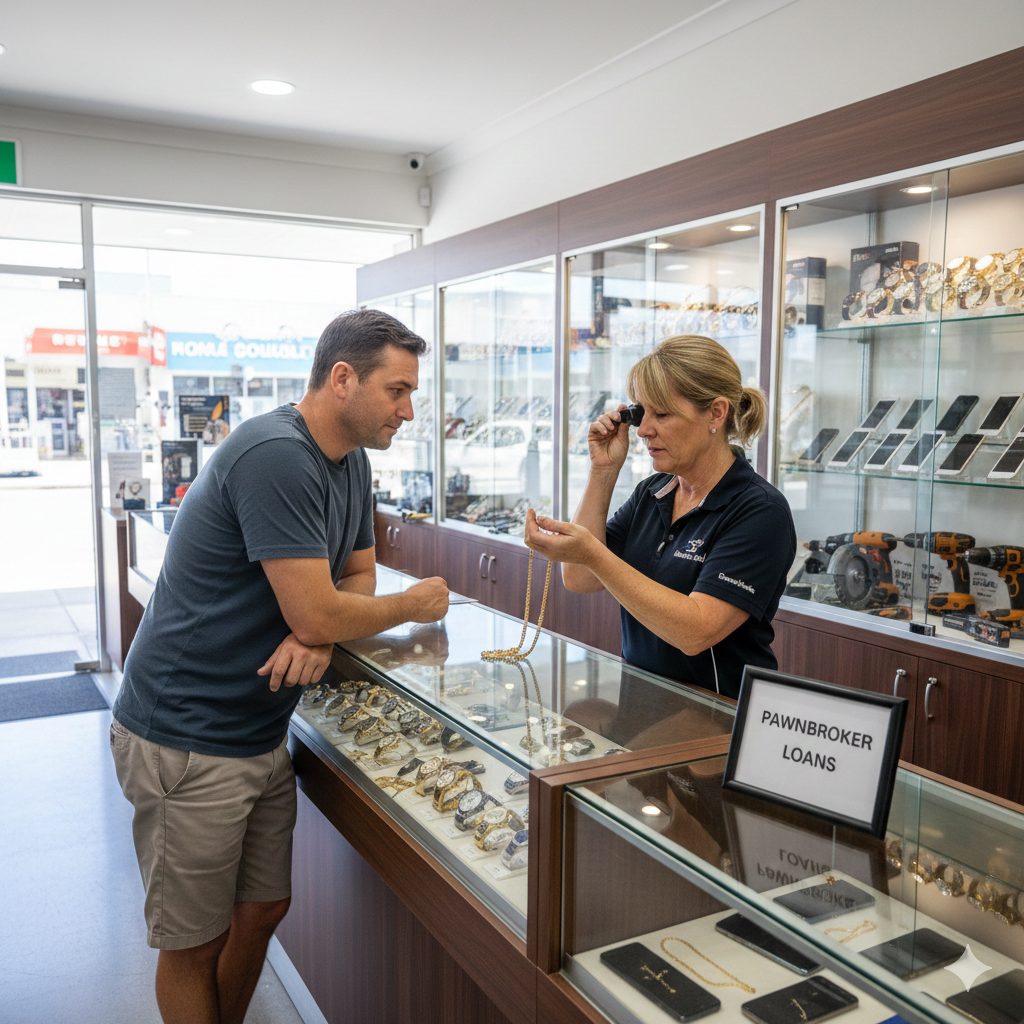
Step 1: Bring Your Item for Appraisal
Take your valuable item to the pawn shop. Common items include jewellery, watches, phones, laptops, tools, and musical instruments.
The pawnbroker checks:
Condition
Authenticity
Market demand
Resale value
How Pawn Shops Determine Item Value
The loan offer is based on how much the pawnbroker could sell the item for if it is not redeemed. This is why the loan amount is usually lower than the full market value.
Step 2: Agree on Loan Terms
If you accept the offer, you receive a pawn ticket. This is a legal agreement that shows:
Loan amount
Interest and fees
Due date
Terms to get your item back
Understanding Pawn Tickets and Legal Agreements
By law in Australia, pawnbrokers must clearly display their fees and write all terms on the pawn ticket. Always read this carefully before signing.
Step 3: Repay the Loan and Reclaim Your Item
Pawn loans are short-term, often around 1 to 3 months. You can repay anytime before the due date and collect your item.
What Happens If You Don’t Repay on Time
If you do not repay and do not extend the loan, the pawnbroker can sell the item. If the item sells for more than what you owed, you may be able to claim the extra money.
What Documents and ID You Need at a Pawn Shop
Government ID Requirements
You must be over 18 and show valid photo ID such as:
Driver’s licence
Passport
Proof of Ownership
You must legally own the item. Pawn shops do not accept stolen goods and keep records to prevent fraud.
Age and Legal Restrictions
Only adults can pawn items, and pawnbrokers must record your details as required by law.
The ID rules at pawn shops are very similar to the requirements explained in What Documents Do You Need to Sell Gold, as both processes are regulated to prevent stolen goods being traded.
Best Items to Pawn and Their Values
High-Value Jewellery and Electronics
Common items accepted:
Gold jewellery and watches
Smartphones and laptops
Musical instruments
Power tools
Antiques and collectibles
How Condition Affects Pawn Value
Items in good working condition receive better loan offers. Clean and prepare your item before visiting.
Seasonal Demand and Timing Your Pawn
Some items may get better offers during high-demand seasons, such as electronics during holidays.
Items to Avoid Pawning
Items in poor condition, outdated gadgets, or unsafe goods are often rejected.
How Pawn Shop Interest Rates, Fees, and Time Limits Work
Monthly Interest Rates Explained
Pawn shops charge monthly interest and fees. These must be clearly shown to you before you agree.
Storage Fees and Other Charges
Some shops may charge safekeeping or storage fees after the loan period.
Loan Duration and Grace Periods
Most pawn loans run for about 90 days, but this can vary.
Loan Renewal and Extensions
If you cannot repay on time, you can often extend the loan by paying the interest and signing a new agreement.
Pros, Cons, and Smart Tips Before You Pawn
Key Advantages of Using a Pawn Shop
Fast cash
No credit check
No bank involvement
Chance to get your item back
Potential Drawbacks and Risks
Interest and fees can be high
You may lose the item if you forget the due date
Smart Tips to Get the Best Loan Offer
Clean your item
Know its rough market value
Compare offers from different shops
Read the pawn ticket carefully
How to Negotiate at a Pawn Shop
You can politely ask for a better offer, especially if your item is in excellent condition.
Common Myths About Pawn Shops
“Pawn Shops Only Deal With Stolen Goods”
Pawn shops require ID and record all transactions to prevent illegal activity.
“You Will Always Lose Your Item”
You only lose the item if you do not repay the loan.
“Pawn Shops Pay Very Little”
Loan amounts depend on resale value, and you are free to reject the offer.
When Should You Use a Pawn Shop?
Emergency Cash Situations
Pawn shops are useful when you need money quickly.
When You Don’t Want a Credit Check
Because the loan is secured by your item, your credit score is not involved.
When Selling Is Not the Right Option
If you want your jewellery or valuables back later, pawning is better than selling.
Conclusion
Pawn shops in Australia offer a simple way to get short-term cash using items you already own. You bring in a valuable item, agree to the loan terms, and repay the amount to reclaim it.
Before visiting a pawn shop:
Bring valid ID
Understand the fees
Keep track of the due date
Compare offers
Used correctly, pawn shops can be a helpful financial option when you need quick money without dealing with banks or credit checks.
Written By
Team Times&Gold
Journal Insights



Visit Us in Parramatta!
NO APPOINTMENTS NEEDED!
Located inside DLUX Jewellers
Opposite Commonwealth Bank