Australia's Highest Paying Gold Buyers $$$


How One Sydney Seller Made More Money by Choosing a Local Gold Buyer: A Real Case Study
Introduction
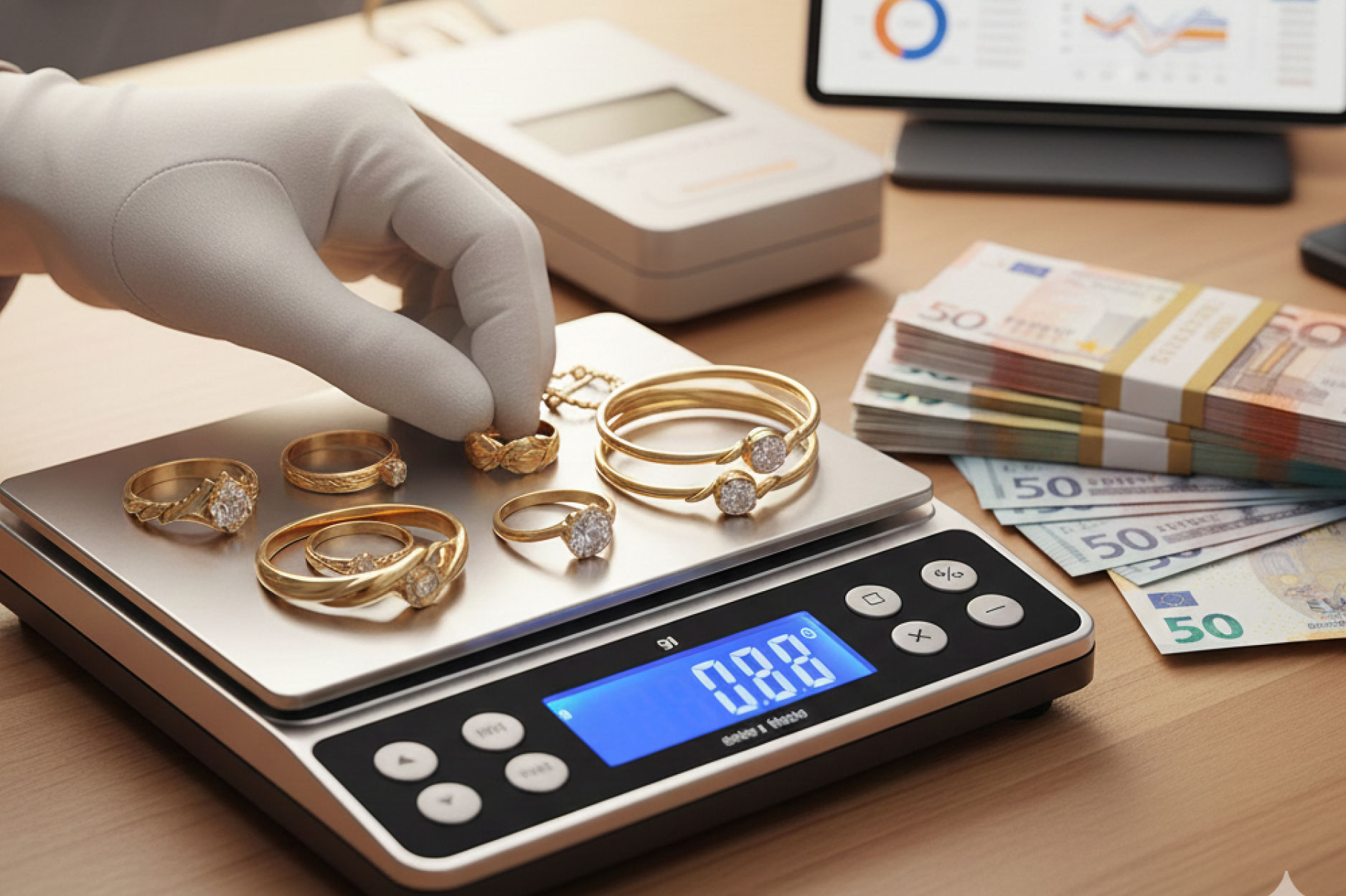
Sarah had an old 20g gold chain sitting in her drawer for years. One day, she finally decided to sell it. Her first offers from big chain stores were much lower than she expected. Later, she discovered a small local gold buyer — and the difference in payout surprised her.
In this case study, you will learn how Sarah sold her gold smarter, why local buyers often pay more, and what you must know before you sell gold yourself.
Sarah’s Gold Selling Journey
The Initial Lowball Offers
Sarah first walked into two large chain jewellery stores.
Both stores checked her necklace and gave her very low quotes. Many big or national chains operate on a fixed pricing model and usually offer only a percentage of the gold’s melt value.
After checking the current market price online, Sarah realised these offers were far below what her gold was worth.
Discovery of a Local Gold Buyer
A friend then suggested she try a small, independent gold buyer located in her Sydney suburb.
Local gold buyers usually focus only on buying and refining gold, which helps them work with smaller margins. They often base their prices directly on live market rates.
When Sarah visited the independent buyer, she received a much higher quote — and the entire process took less than 30 minutes.
Real Results Breakdown
On the day she sold, the global gold spot price was high. Chain stores had offered her a typical “percentage of melt value”, which is a common industry practice.
Local gold buyers generally offer a higher percentage of melt value, especially when they run low-overhead operations and can refine gold more efficiently.
This difference in business models is what helped Sarah walk away with more cash.
Why Local Buyers Pay More
Lower Overhead Costs
Local gold buyers usually work from small shops and do not spend huge amounts on branding or large retail spaces.
With fewer expenses, they can pass on more value to sellers. This is one major reason why many sellers report better offers from independent buyers.
Transparent Pricing Practices
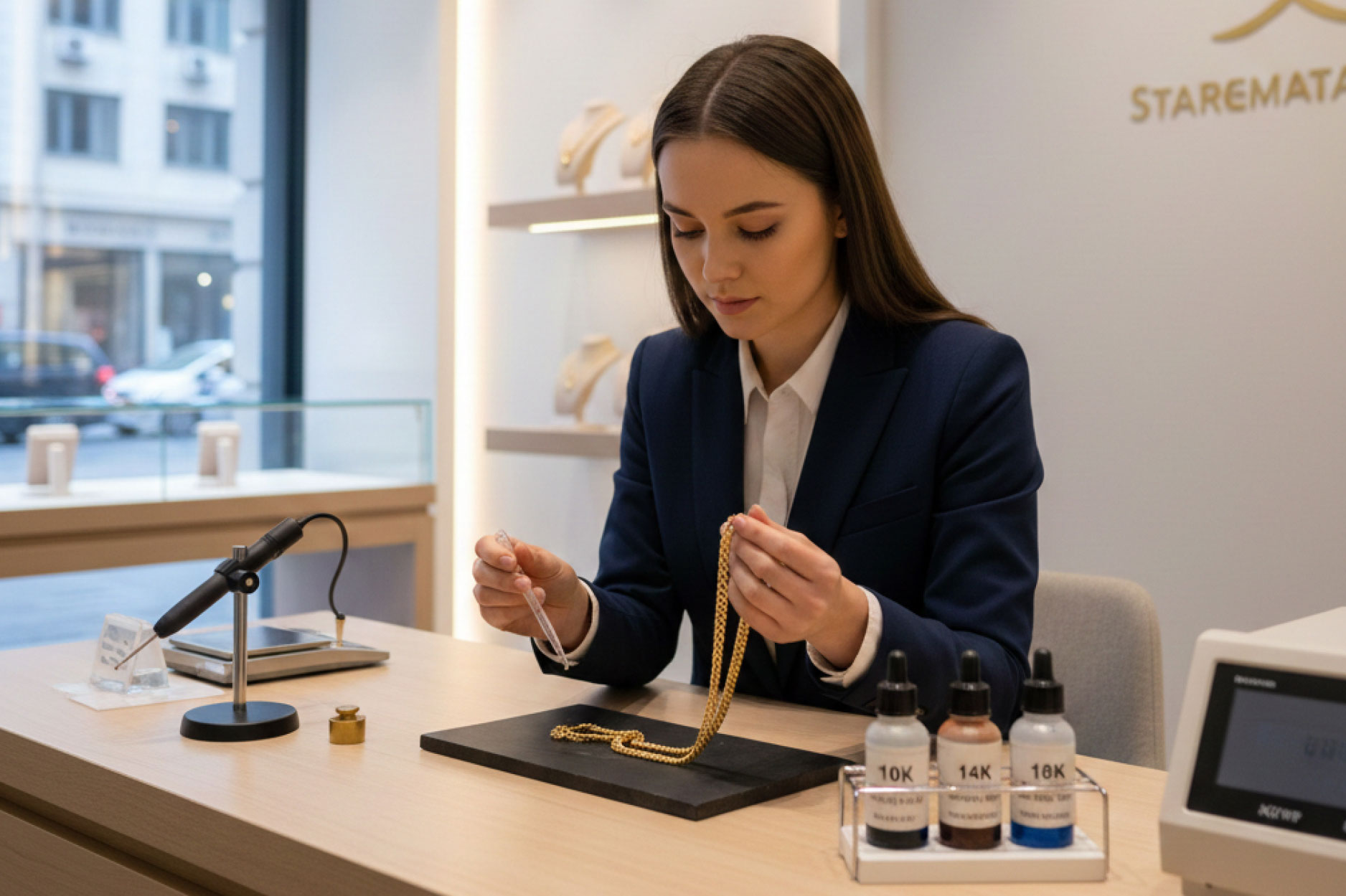
Many reputable local buyers show the weighing and purity testing process in front of you.
Some even display live market rates, so you clearly understand how your offer is calculated.
This level of transparency helps sellers feel confident that the quote is fair.
Actionable tip: Always ask to see how the offer is calculated and request the current spot price when you sell gold.
Better Customer Focus
Independent gold buyers rely heavily on reputation and repeat customers.
They often:
Offer free valuations
Provide clear explanations
Avoid high-pressure tactics
This customer-first approach leads to better experiences — and often better prices.
Pitfalls of National Chain Buyers
Hidden Fees and Markups
Some chain stores may include additional fees such as refining charges. This reduces the amount a seller receives for their gold.
Their business model often involves higher overhead costs, which can affect their payout rates.
Slow Payouts and Delays
Mail-in services or big-brand processes can sometimes take longer.
Some sellers report waiting days or even weeks to get their payment, especially if reassessment or extra checks are required.
Pressure Tactics
Some larger chains use sales-style pressure tactics such as:
Giving quick low offers
Not showing exact weights
Encouraging sellers to accept immediately
Knowing these red flags helps sellers stay in control of the transaction.
Stats and Trends in the Gold Market
Current Gold Prices and Demand
Gold prices often rise during economic uncertainty. Globally, many markets have seen strong demand for gold, especially in the jewellery and investment sectors.
Higher global prices usually help sellers get better offers when they decide to sell gold in Australia.
Seller Insights
Many people find that walking into the nearest chain store does not always result in the best payout.
Industry guides commonly advise sellers to compare at least two or three buyers before accepting an offer.
Future Outlook
Gold values can move up or down based on global conditions.
For anyone holding old or unwanted jewellery, staying updated with market prices can help you choose the right time to sell.
Actionable Steps to Get Top Dollar
Step 1: Prep Your Gold
Clean your gold gently at home
Weigh your items using a digital scale
Gather invoices if available
These steps help you estimate what your gold might be worth.
Step 2: Shop Around Smart
Visit at least three gold buyers near you.
Compare per-gram rates and make sure each valuation is done in front of you.
Use this checklist:
Are they licensed?
Do they test purity in front of you?
Are their reviews positive?
Do they explain their pricing?
Step 3: Negotiate Like a Pro
Know the day’s global gold price before you enter the shop.
Good buyers typically offer a clear percentage of the melt value.
If an offer feels too low, politely negotiate or visit another buyer.
Conclusion
Sarah’s story shows how choosing the right buyer can make a big difference. She did her research, compared offers, and trusted a transparent local gold buyer — and that helped her walk away with more money.
If you also want the best value for your jewellery, start by comparing multiple buyers and staying updated on the gold market before you sell gold.
Written By
Team Times&Gold
Journal Insights


Visit Us in Parramatta!
NO APPOINTMENTS NEEDED!
Located inside DLUX Jewellers
Opposite Commonwealth Bank