Australia's Highest Paying Gold Buyers $$$


How to Sell Diamond Jewellery in Western Sydney for a Fair Price
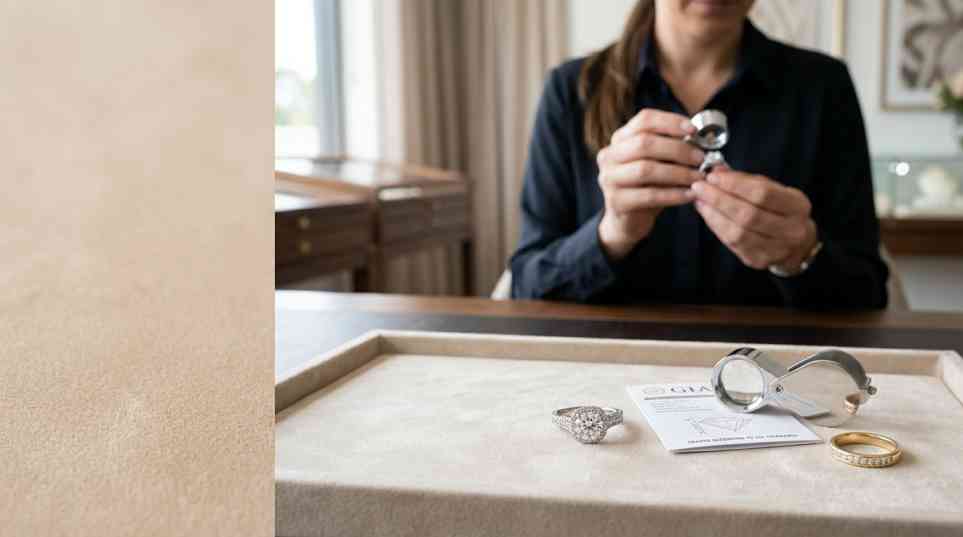
Diamond jewellery can hold special memories, but it can also have a good resale value. If you have an old diamond ring, earrings, necklace, or bracelet, you may be thinking about selling it. Knowing how to sell diamond jewellery can help you make a better choice and avoid accepting a low offer.
Across Western Sydney, including Parramatta, Blacktown, Liverpool, and Penrith, sellers have different options. You can visit a local jeweller, contact a specialist diamond buyer, or explore online selling services.
However, not every buyer will offer the same price. The value can depend on the diamond's quality, the metal, the item's condition, and buyer demand.
With a little preparation and a few price quotes, you can compare offers and sell your jewellery with more confidence.
Know What Shapes Your Jewellery's Resale Value
Before you contact a buyer, it helps to understand what makes your diamond jewellery valuable.
Check the Diamond's Key Details
Diamonds are often assessed using the 4Cs:
Cut: This affects how well the diamond reflects light and looks.
Colour: Many diamonds are valued based on how little colour they show, although some fancy-colour diamonds are assessed differently.
Clarity: This refers to small marks or features inside or on the surface of a diamond.
Carat weight: This measures the diamond's weight, not its size alone.
These details can help buyers understand the stone's quality. Two diamonds with the same carat weight may receive different offers because their cut, colour, and clarity can vary.
If you have a grading report from a recognised laboratory, such as GIA, keep it ready. This report can provide useful information about the stone.
However, remember that a grading report does not set the resale price. The final offer depends on the buyer and the market.
Understand the Value of the Stone and Setting
Diamond jewellery often includes more than one valuable part. The diamond may have resale value, while the gold or platinum setting may also be worth money.
Ask the buyer to explain how they value each part.
For example, a buyer may offer one amount for the diamond and another amount for the gold. Another buyer may offer a single price for the complete item.
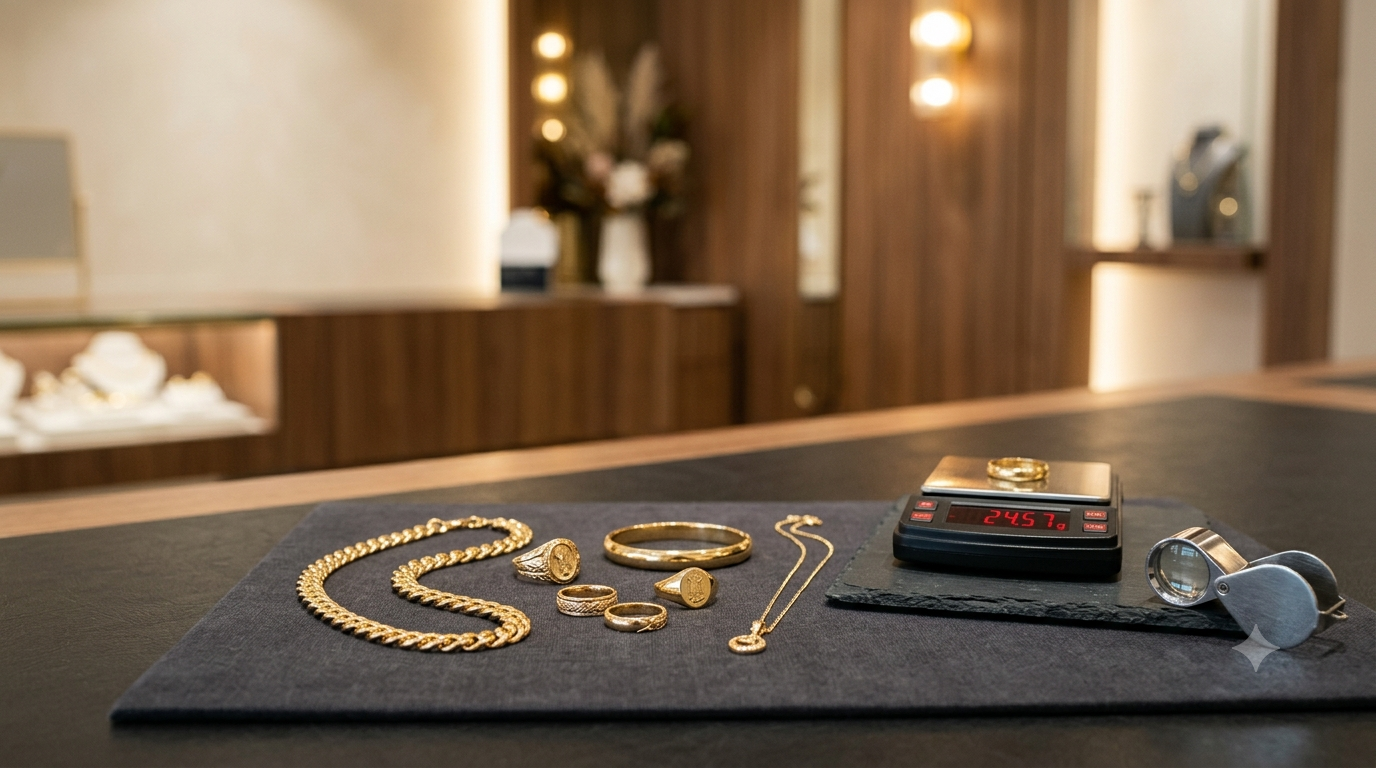
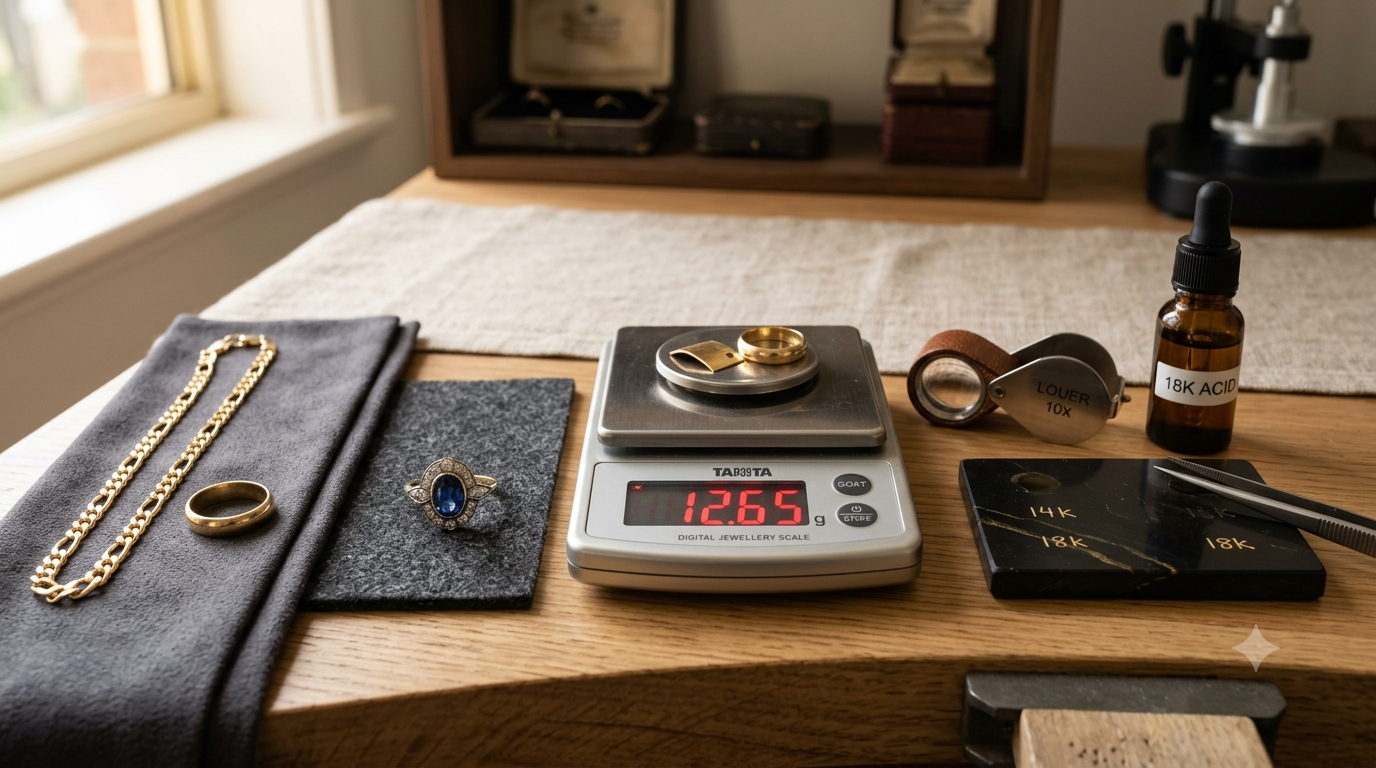
You can also check the current gold spot price on the day you request quotes. Gold prices change regularly, and the amount a buyer pays may differ from the spot price because of purity, refining costs, and business margins.
If you want to keep the setting or any smaller stones, ask whether the buyer allows this before agreeing to the sale.
Keep Your Price Expectations Realistic
The price you paid at a jewellery store may be much higher than the amount you receive when selling it.
Retail prices can include design costs, branding, store expenses, and profit margins. These costs do not always return to the seller.
Age, condition, brand, and market demand can also affect the offer.
A local gemmologist can help explain why two diamonds with similar carat weights may have different values. Getting a professional opinion can be useful if your jewellery is rare, branded, or particularly valuable.
Choose a Buyer Who Explains the Offer
Finding the right buyer is an important step when selling diamond jewellery in Western Sydney.
Compare Local and Online Buyers
You can start by contacting jewellers and specialist diamond buyers in areas such as Parramatta, Blacktown, Liverpool, and Penrith.
Local buyers may let you discuss the jewellery in person and ask questions during the valuation.
Online buyers may provide another option, especially if you cannot visit a shop. However, check their business details, customer reviews, shipping arrangements, and return policy before sending your jewellery.
Look for a buyer who clearly explains the selling process and does not pressure you into making a quick decision.
If you are also selling other valuables, you may explore services such as a Gold Buyer in Orange or learn about options to Sell Your Luxury Watches in Sydney.
Ask How the Buyer Calculates the Price
A good buyer should be able to explain how they reached their offer.
Ask these simple questions:
Is the offer based on resale value, trade-in value, or scrap value?
Will you check the diamond in front of me?
Does the offer include the setting and all smaller stones?
Are there any testing or valuation fees?
Can I take the quote home and decide later?
Request a written breakdown whenever possible.
This can help you understand whether the buyer is offering money for the diamond, the metal, or the complete piece.
If a buyer cannot explain the offer clearly, consider getting another opinion.
Get at Least Three Written Quotes
One offer does not always tell you what your jewellery could sell for.
Try to get at least three written quotes from buyers you can verify. Three quotes provide a better basis for comparison than relying on a single offer.
Give each buyer the same item details, grading reports, and photographs.
When comparing quotes, look beyond the highest number. Check the final amount you will receive after fees, payment time, shipping costs, and return charges.
For example, a slightly lower offer with no extra fees may be better than a higher offer with expensive conditions.
Prepare Your Diamond Jewellery Before Getting Quotes
A little preparation can make the selling process easier and help avoid confusion.
Gather Your Jewellery Records
Look for documents that may help confirm your jewellery's details.
These can include:
Diamond grading reports
Original purchase receipts
Insurance valuations
Repair or cleaning records
Brand or authenticity documents, if available
Check that the documents match the item you want to sell.
An insurance valuation can provide useful background information, but it may reflect replacement costs rather than the amount you can receive from a buyer.
Bring photo ID if the buyer requires it. Keep copies of important records for yourself.
Clean and Photograph Each Piece
A clean piece can make it easier to inspect the jewellery.
For sturdy jewellery, you can use a soft cloth and mild soapy water. Avoid this method if the piece has fragile settings, treated stones, glued parts, or materials that may be damaged by water. When unsure, ask a professional to clean it.
Take clear photographs from different angles, including the front, side, and back.
Also, note any visible problems, such as loose settings, chips, missing stones, or previous repairs.
Be honest about the condition when requesting quotes.
Make a Simple Jewellery List
If you are selling several pieces, create a short list.
Include the type of jewellery, metal type, known diamond details, and condition.
Keep matching earrings together, along with original boxes and certificates where available.
This small step can help you track each offer and reduce the chance of mixing up items.
Before mailing any jewellery, confirm that the shipping service provides suitable insurance for the full value, covers jewellery specifically, and explains what happens if the package is lost or damaged.
Complete the Sale Safely and Keep a Clear Record
Once you find an offer that suits you, review the terms before completing the sale.
Confirm the Terms Before Handing Over Your Jewellery
Ask how long the offer remains valid and whether further testing could change the price.
Check all valuation, shipping, payment, and return fees.
If the buyer needs to keep the jewellery for testing, ask for a written receipt that lists the item, its condition, and any identifying details.
Make sure you understand when the sale becomes final.
Choose a Secure Payment Method
For an in-person sale, confirm that the agreed payment has cleared before leaving.
For an online sale, use a secure payment process and keep all messages, shipping details, and tracking records.
Never share your banking password, PIN, or one-time security codes with a buyer.
If the buyer changes the payment terms at the last moment, stop and review the situation before continuing.
Keep Your Sale Records
Save your quotes, sale receipt, payment confirmation, and any relevant documents.
Tax treatment can depend on how you acquired the jewellery and why you owned it. Personal jewellery, investment assets, business stock, and inherited items may raise different tax questions.
If the jewellery was an investment, used in a business, or inherited, consider asking a registered tax agent about your situation.
Learn From These Western Sydney Seller Scenarios
The following examples are illustrative. They show how comparing offers can help, but they are not real customer cases or actual market valuations.
Example 1: An Inherited Ring Near Parramatta
A seller inherits a diamond ring and finds its grading report.
They visit three buyers and receive different offers.
One buyer places more value on the diamond, while another gives a higher total after including the gold setting.
Instead of choosing the first offer, the seller compares the written breakdowns, fees, and payment terms.
The lesson is simple: understand what each buyer is paying for before making a decision.
Example 2: Diamond Earrings in Penrith
A seller has a pair of diamond earrings but no grading papers.
They ask different buyers to inspect the stones and explain their offers.
They also check whether the price covers both earrings and whether the original backs or any missing parts affect the value.
Before completing the sale, they request a receipt listing both earrings.
The lesson is to confirm exactly what is included in the offer.
In both situations, the best approach is to compare similar offers based on the same item details.
Sell With Clear Records and a Price You Understand
Selling diamond jewellery does not have to be difficult. The key is to understand your jewellery, find a trustworthy buyer, and compare offers carefully.
Start by gathering your grading reports, receipts, and photographs. Then contact several buyers in Western Sydney and request written quotes.
Compare the final amount, fees, payment terms, and return conditions before deciding.
If your jewellery contains gold, you may also find it useful to understand whether it is better to sell gold jewellery by weight or by piece. This can help you ask better questions when comparing offers.
Most importantly, take your time. You do not have to accept the first price you receive.
A fair sale starts with clear information, honest valuations, and a buyer who explains the offer in simple terms.
Frequently Asked Questions (FAQs)
1. Where can I sell diamond jewellery in Western Sydney?
You can sell diamond jewellery through local jewellers, specialist diamond buyers, or online jewellery buyers. Compare offers from buyers in Parramatta, Blacktown, Liverpool, and Penrith before making your decision.
2. How do I get a fair price when I sell diamond jewellery?
To get a fair price, understand your diamond's quality, check the value of its metal, and collect at least three written quotes. Compare the final offers, fees, and payment terms before choosing a buyer.
3. What factors affect the resale value of diamond jewellery?
The resale value depends on the diamond's cut, colour, clarity, and carat weight. Other factors include the jewellery's condition, metal type, brand, age, and market demand.
4. Do I need a diamond certificate to sell my jewellery?
No, a diamond certificate is not always required. However, a grading report from a recognised laboratory, such as GIA, can help buyers understand your diamond's details and assess its value.
5. Is the resale value of diamond jewellery the same as its retail price?
No, the resale value is usually different from the original retail price. Retail prices may include design, branding, and store costs that you may not recover when selling.
Written By
Team Times&Gold
Visit Us in Parramatta!
NO APPOINTMENTS NEEDED!
Located inside DLUX Jewellers
Opposite Commonwealth Bank