Australia's Highest Paying Gold Buyers $$$


Selling Your Broken Gold Jewellery in Ryde: Key Steps to Get Top Value
Introduction
Imagine this: Marie, a long-time Ryde resident, rummages through her jewellery box one afternoon. She finds a tangled mess — broken chains, loose clasps, and single earrings she never wears. Instead of tossing them aside, she carries them to a trusted Gold Buyer in Sydney, and walks out with hundreds of dollars in cash.
Got broken gold pieces gathering dust at home, too? You could turn them in for fast money — especially now, when the gold market is hot. With spot gold prices surging, smart sellers in Ryde are cashing in on scraps rather than repairing them. In this guide, we’ll walk you through how to assess your jewellery’s worth, pick reliable buyers, avoid common mistakes, and maximize your payout. Read on to make smart moves — it’s easier than you think.
Why Broken Gold Jewellery Holds Real Value
Even if your jewellery is broken, gold’s core value remains — because gold itself doesn’t lose its worth.
Gold Purity and Karat Basics
Gold’s value depends largely on its purity, measured in karats. Common purity levels range from 9K to 24K, with 24K being the purest form.
Higher-karat gold — like 18K or 22K — has more gold content, which generally means a higher payout when selling.
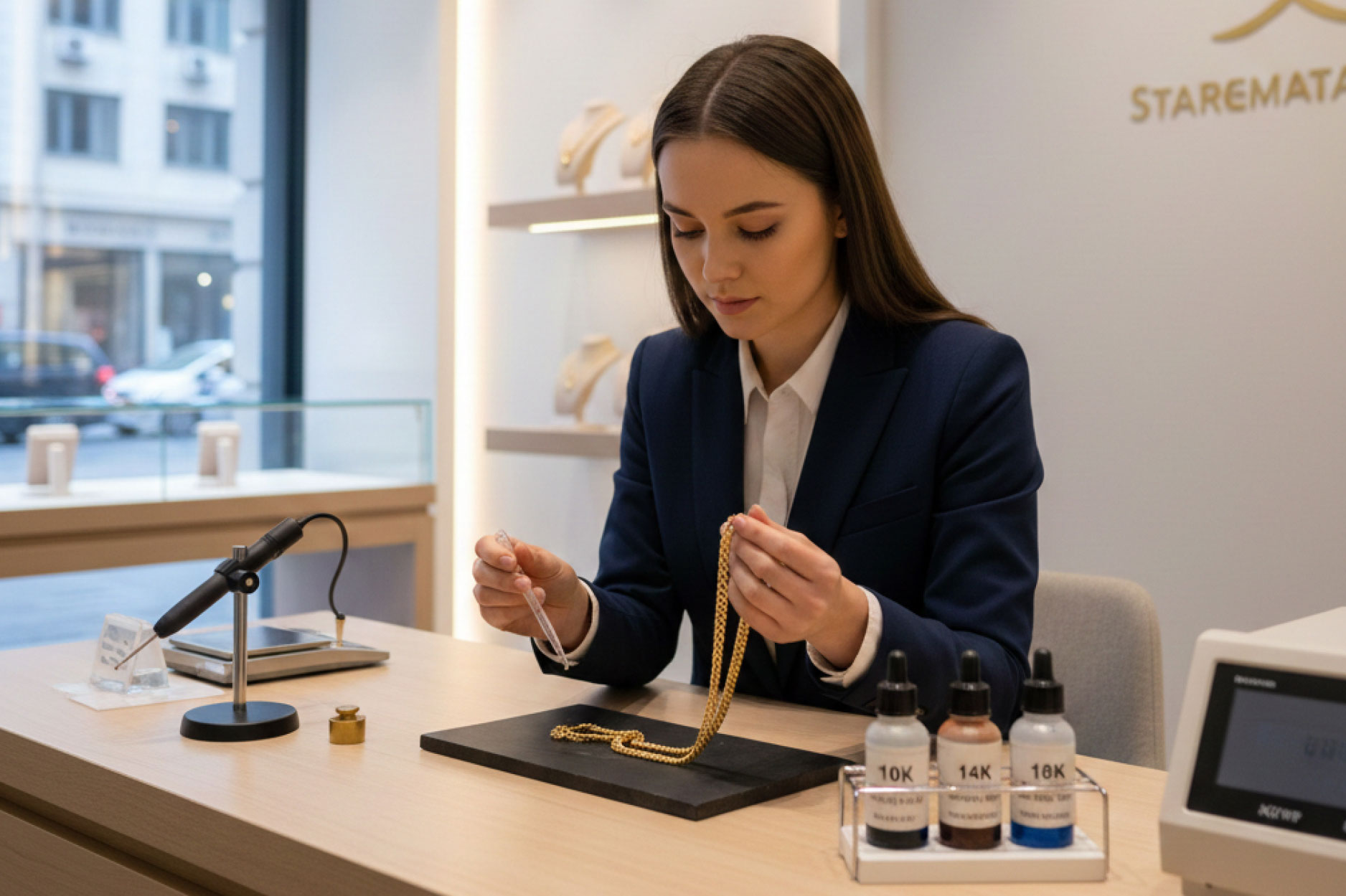
As a DIY test, avoid fake gold by using a magnet (real gold isn’t magnetic) or an acid-testing kit.
Factors That Boost or Cut Value
Weight: More grams = more value. Even broken fragments add up.
Condition: Yes, damage matters — but expert buyers don’t throw out the value. Often, broken pieces only reduce value by 10–20%, not completely. (Note: this is a general industry insight — always ask your buyer how they calculate.)
Market Spot Price: The base value comes from live market rates. In Australia, spot gold is currently around A$6,250 per ounce for 24K.
Fluctuations in demand, investor sentiment, and global uncertainty all play a big role in how much buyers are willing to pay now.
Current Market Trends in Ryde
Globally, gold is benefiting from safe-haven demand due to economic uncertainty.
In Sydney (including Ryde), more people are recycling broken jewellery as environmental awareness grows — reusing precious metals is appealing for both sellers and buyers.
Because of this, local gold buyers like Time&Gold often have strong demand.
Pro tip: Track live gold rates using reliable apps or websites (e.g. GoldPriceG, LivePriceOfGold) so you know when to sell.
Preparing Your Jewellery for Sale
To get the best deal, a little prep goes a long way. Clean, sort, and document — it helps you and the buyer.
Cleaning and Sorting Tips
Use mild soap and lukewarm water with a soft cloth. Avoid harsh chemicals that might damage gold or gemstones.
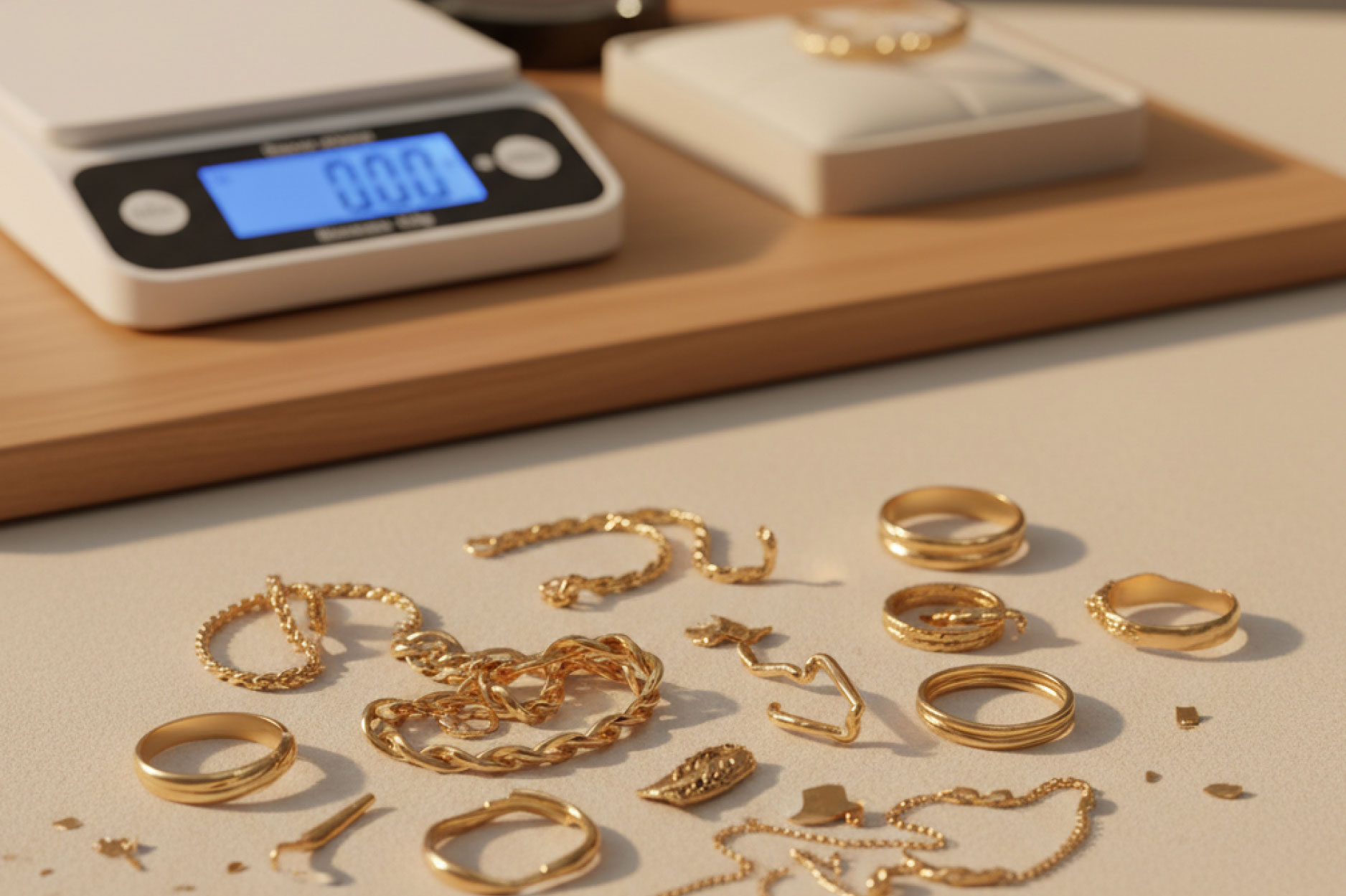
Separate pieces by type: rings, chains, bracelets, earrings. This makes it easier when the buyer weighs and tests.
Use a kitchen scale (or a jewellery scale) to weigh each item and note it down.
Identify and remove any stones or non-gold parts — even broken clasps or tiny beads add value, but knowing what’s what helps in valuation.
Assessing Your Collection’s Worth
You can make a rough DIY estimate: weight (in grams) × purity factor × current gold price per gram. For example, if you have 20 g of 14K gold, you’d use the rate for 14K gold.
If unsure, bring your items for a free valuation first. At Top Gold Ryde, appraisals are no-obligation.
Tell the appraiser about any jewellery history — for example, if a necklace was once a gift or an inherited piece — sometimes that adds non-metal value (though rarely for broken items).
Documentation and Proof
Find any hallmarks (stamped karat marks) on your gold — these help verify purity.
Collect any receipts, insurance papers, or photographs of the jewellery when it was intact.
Document what you’re selling: take clear photos, note weights, and sort things logically. Buyers appreciate transparency.
If your items are certified (by a jeweller or previous appraisal), they often sell faster — certification offers peace of mind to the buyer.
Larger Precious-Metal Recyclers
Gold Buyers Central: A national precious-metal recycler with stores in NSW. They pay cash for broken, damaged or unwanted gold.
Advantages: They’re experienced in refining and recycling, so they may offer fair melt-value pricing.
Red Flags in Buyer Choices
Lowball offers that don’t match current gold prices.
Buyers who refuse to test purity in front of you.
No licence or registration — always check business credentials and reviews.
Avoid door-to-door “cash-for-gold” dealers without a physical premises.
The Selling Process: Step by Step
Here’s how to go from “I have broken gold” to “I’ve cashed in” — smoothly and smartly.
Getting an Initial Quote
Bring all your items together — broken bits, loose chains, scrap.
Ask for a free, no-obligation appraisal. AtTime&Gold, they will weigh, test, and give you a quote.
If possible, bring your own calculator or phone to do quick math based on the price per gram they offer and the weight of your gold.
Negotiating and Finalising the Deal
Know your walk-away price: use your estimate (weight × purity × current rate) as a baseline.
Ask the buyer to explain their price calculation, including any deductions (melting fees, assay costs).
Negotiate politely; many buyers expect some haggling.
Agree on a payment method: cash is common, but some dealers may offer bank transfer.
After the Sale: What Comes Next
Get a receipt: This gives you proof of the transaction, which is good for your records.
Keep a record of gold sold — you might need it for tax or personal tracking.
Think ahead: what will you do with the money? Consider reinvesting, paying debts, or putting it aside.
Common Pitfalls and How to Dodge Them
Selling gold isn’t always straightforward. Here are some common mistakes and how to avoid them.
Overlooking Hidden Costs
Some buyers deduct melting or refining charges. Ask for a clear breakdown.
Make sure your quote is net — after all costs.
If a buyer can’t or won’t explain the fees, walk away.
Ignoring Legal or Tax Rules
In Australia, you generally don’t pay capital gains tax when selling personal jewellery — but always check with a tax professional if you’re unsure.
Bring valid ID: Gold Buyers Central, for instance, requires 100 points of ID (driver’s license, Medicare card, etc.).
Keep a copy of your sales receipts for your financial records.
Rushing the Decision
Don’t accept the first offer if you haven’t shopped around.
Wait a day or two if you feel pressured — marketplace prices change, and there’s often room to negotiate.
Use at least two or three quotes — comparing offers is the best way to maximize your value.
Conclusion
Turning broken gold jewellery into cash isn’t just possible — it’s smart, especially in Ryde right now. With gold spot prices high, selling scrap or damaged pieces can earn you significant value. To do it well: understand purity and weight, clean and sort your items, find a trustworthy Gold Buyer in Sydney, and negotiate smartly. Avoid common mistakes by asking for clear pricing and getting multiple quotes, and always save your receipts.
If you’re ready, visit Time&Gold or another trusted buyer — don’t let your forgotten gold sit idle. Act now, get a fair valuation, and turn your old jewellery into real cash.
Written By
Team Times&Gold
Journal Insights


Visit Us in Parramatta!
NO APPOINTMENTS NEEDED!
Located inside DLUX Jewellers
Opposite Commonwealth Bank