Australia's Highest Paying Gold Buyers $$$


Cash for Gold: 7 Proven Ways to Get More Money for Your Gold
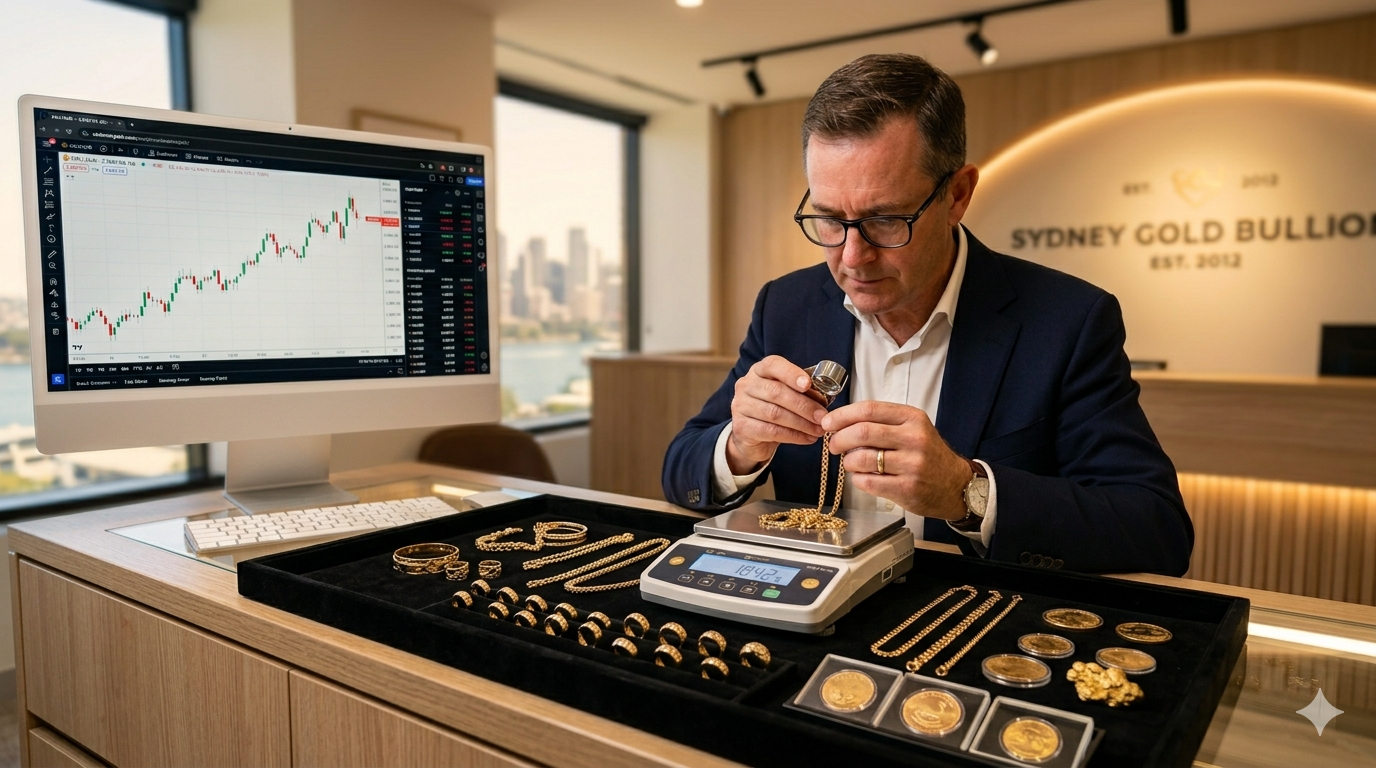
If you're searching for cash for gold in Australia, you're not alone. With gold prices remaining strong throughout 2026, many Australians are turning unwanted jewellery, gold coins, bullion, and scrap gold into cash. However, one of the biggest mistakes sellers make is accepting the first offer they receive. After decades in the jewellery and precious metals industry, we've seen countless customers discover that a little preparation and research can significantly increase their payout. Whether you're selling old jewellery or investment-grade bullion, this guide will show you seven proven ways to maximize the value of your gold and avoid leaving money on the table.
Industry estimates suggest that some quick-cash buyers may offer 10% to 30% less than specialized gold dealers, making it essential to understand your options before selling.
1. Master the Basics of Your Gold
Before approaching any buyer, it's important to understand exactly what you're selling.
Identify Your Karat and Weight
The purity of your gold directly impacts its value. Most gold jewellery contains hallmarks that indicate its karat rating:
9K = 37.5% gold
10K = 41.7% gold
14K = 58.5% gold
18K = 75% gold
22K = 91.6% gold
24K = 99.9% gold
Look for these markings inside rings, on necklace clasps, or on bracelet links.
Over the years, we've encountered many customers who assumed their jewellery was low-purity gold, only to discover it was worth considerably more. Understanding your gold's purity helps you evaluate offers more confidently.
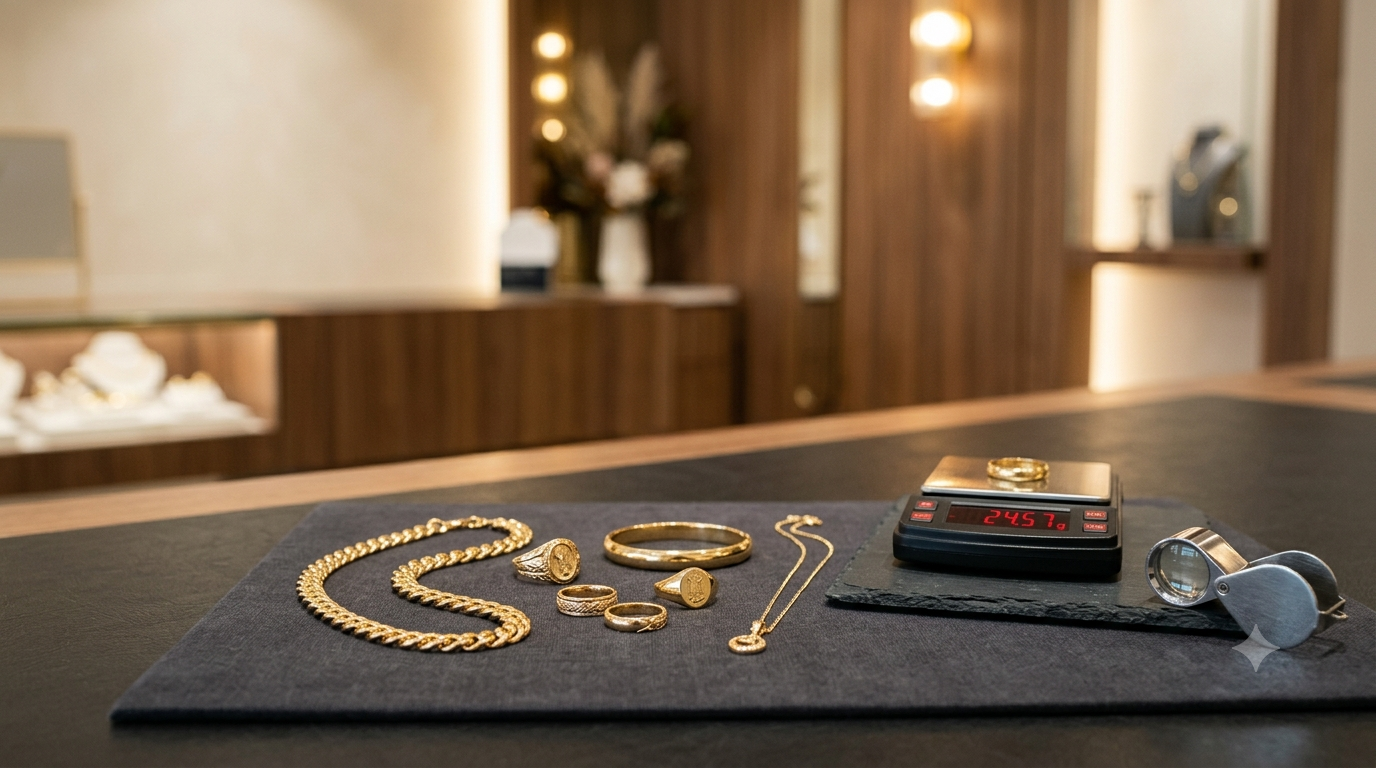
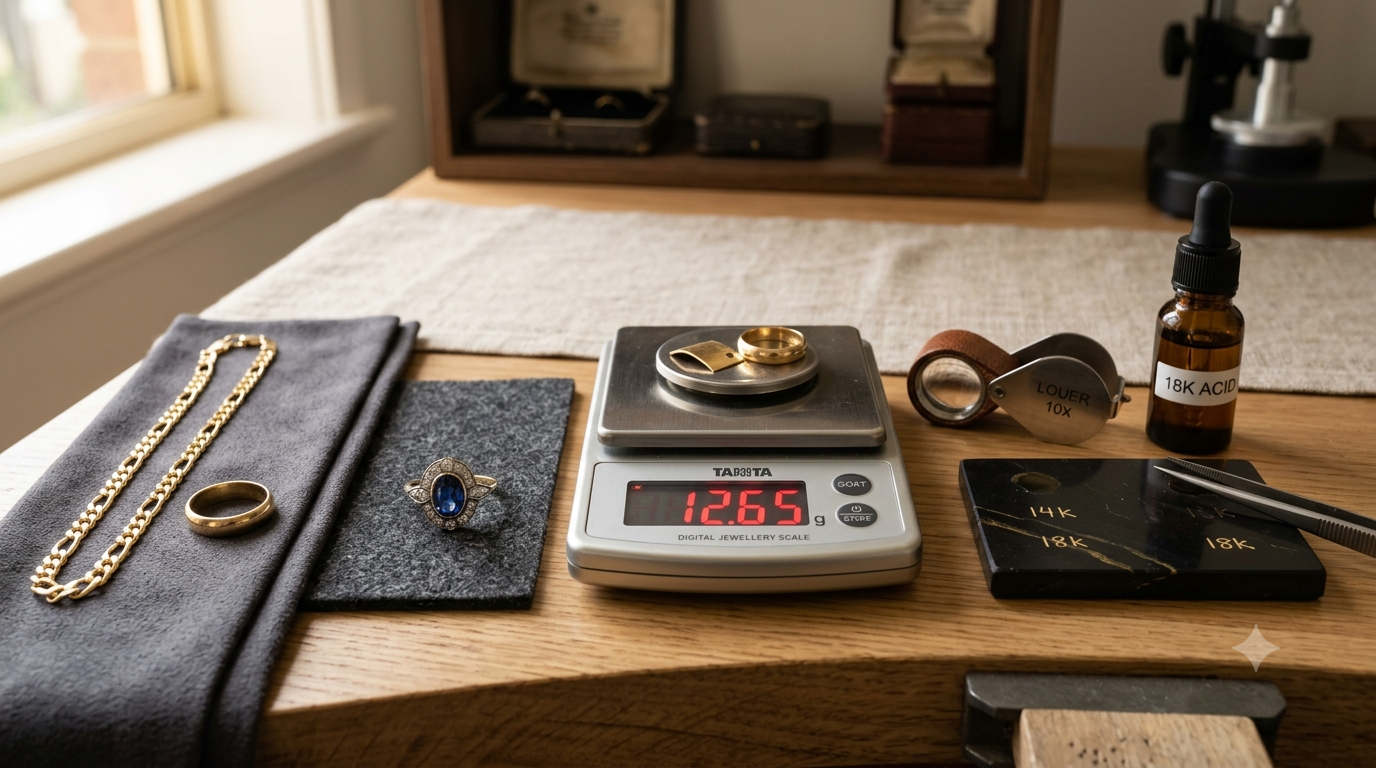
You should also weigh your items using a digital jewellery scale. Most professional buyers calculate value based on grams, so having an accurate weight gives you a better idea of what your gold may be worth.
Understand the Difference Between Gold-Plated and Solid Gold
One of the most common misconceptions among sellers is believing all gold-coloured jewellery contains significant gold value.
Gold-plated jewellery contains only a thin layer of gold over another metal. Solid gold items, on the other hand, contain gold throughout the piece and typically carry substantially higher value.
Professional testing can quickly determine the difference.
Track Current Market Spot Prices
Before selling, spend a few minutes checking current gold prices.
The spot price represents the market value of pure gold at a given moment. Monitoring daily gold prices gives you a benchmark for evaluating offers.
However, understanding the difference between melt value and resale value is equally important.
Melt Value: The value of the gold content alone.
Resale Value: Includes factors such as brand, rarity, craftsmanship, and collector demand.
In a dynamic 2026 market, timing can influence your final payout significantly.
2. Prep Your Gold for Maximum Value
Proper preparation can make the appraisal process smoother and help buyers identify value more efficiently.
Clean and Organize Your Pieces
While gold buyers primarily focus on purity and weight, clean jewellery creates a positive impression.
Use warm water, mild soap, and a soft cloth to remove dirt and residue. Avoid harsh chemicals that could damage gemstones or delicate settings.
We recommend sorting your items by karat before visiting a buyer. Separating 9K, 14K, and 18K pieces saves time and demonstrates that you've done your research.
Keep Important Documentation
If you own gold bars, bullion, or collectible coins, gather any supporting documents such as:
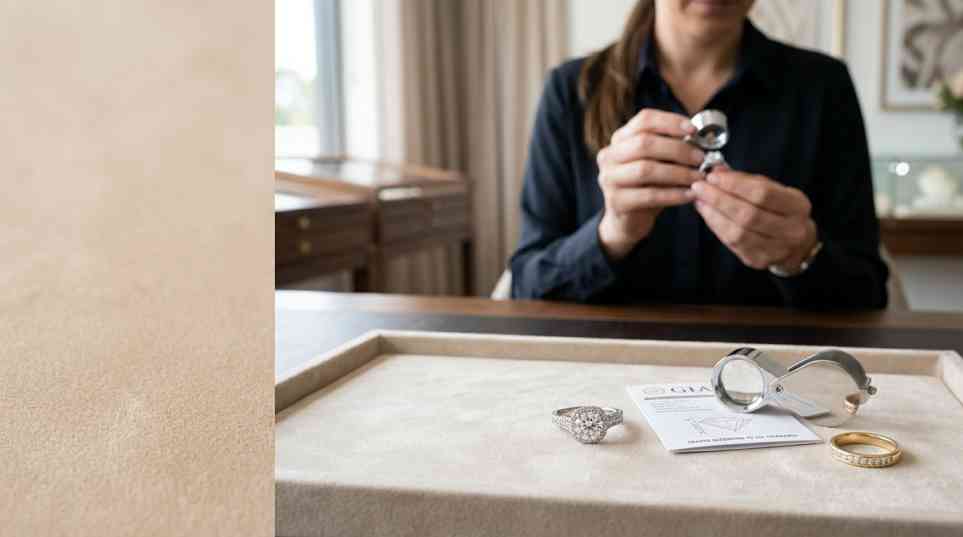
Certificates of authenticity
Original receipts
Packaging
Grading reports
If you plan to sell your gold coin, keeping these documents can increase buyer confidence and potentially improve your offer.
3. Separate Scrap Gold from Designer Jewellery
One of the biggest mistakes sellers make is treating every gold item as scrap.
Designer Jewellery Often Commands a Premium
Not all gold is valued solely by weight.
Luxury jewellery brands often carry value beyond their gold content. A bracelet from Tiffany & Co. or Cartier may be worth considerably more than a generic gold bracelet of the same weight.
Throughout our experience evaluating jewellery, we've found that many sellers are surprised to learn their branded items have resale value well above melt value.
Look for Vintage and Rare Hallmarks
Older jewellery may contain hallmarks, maker's marks, or limited-edition designs that appeal to collectors.
These details can significantly increase value, especially for antique or estate jewellery.
Before accepting a scrap gold offer, research any designer or vintage pieces separately.
4. Compare Different Selling Channels
One of the easiest ways to increase your payout is comparing multiple buyer types.
Local Gold Buyers and Pawn Shops
Local gold buyers offer convenience and immediate payment.
Benefits include:
Same-day cash
Face-to-face transactions
Instant evaluations
However, many pawn shops and general buyers have higher overhead costs and broader inventory categories, which can affect the amount they're willing to pay.
Be cautious of:
High-pressure tactics
Unclear testing procedures
Vague pricing explanations
Offers that expire immediately
Online Refiners and Specialized Dealers
Specialized gold dealers often focus exclusively on precious metals.
Many refiners can offer higher payouts because their business model revolves around processing gold rather than reselling various consumer goods.
When comparing buyers, it's important to work with a reputable company that provides transparent testing, fair market pricing, and clear explanations of how offers are calculated. Choosing the Best Gold Buyer in Australia can make a significant difference in the final amount you receive for your gold.
Real-World Example
A seller receives:
Local Pawn Shop Offer: $850
Gold Buying Store Offer: $975
Specialized Refiner Offer: $1,080
This example demonstrates why obtaining multiple quotes is one of the most effective ways to maximize your return.
5. Negotiate Like a Professional
Many people assume gold offers are fixed. In reality, negotiation can often improve your payout.
Get at Least Three Quotes
One strategy we've consistently recommended to sellers is obtaining multiple written offers.
This allows you to:
Identify lowball offers
Understand the market range
Negotiate from a position of strength
A simple question can be surprisingly effective:
"Another buyer offered more. Can you match or beat this price?"
Competition often encourages buyers to improve their offers.
Set a Walk-Away Price
Before meeting any buyer, determine the minimum amount you're willing to accept.
Having a predefined walk-away price helps prevent emotional decision-making and ensures you don't settle for less than your gold is worth.
6. Ask Questions About the Buyer's Pricing
Experienced gold sellers understand that transparency matters.
Understand the "Spread"
Every gold buyer earns a profit through a spread—the difference between market value and purchase price.
Ask questions such as:
What percentage of spot price are you paying?
How was purity determined?
Are there refining fees?
Can you explain the final calculation?
Trustworthy buyers should have no problem providing clear answers.
Ask About Testing Methods
Professional buyers use various testing methods, including:
XRF analyzers
Acid testing
Electronic testing
Density testing
Understanding how your gold was evaluated helps ensure accuracy and transparency.
7. Avoid Common Gold-Selling Traps
Maximizing value isn't only about finding the highest offer. It's also about avoiding costly mistakes.
Beware of "Free Appraisals"
Not all free appraisals are equal.
A buyer's quote is not the same as an independent certified appraisal.
Warning signs include:
Pressure to sell immediately
Refusal to provide documentation
Lack of transparency
Aggressive sales tactics
If something feels rushed, don't be afraid to seek another opinion.
Don't Sell During a Market Dip
Gold prices naturally fluctuate.
Before selling, review recent market trends rather than focusing on a single day's price.
Unless you need immediate funds, waiting through temporary market dips can often result in a higher payout.
Experienced investors rarely make decisions based on short-term volatility.
Final Checklist for the Highest Cash for Gold Payout
Before leaving the house, make sure you've completed the following:
✔ Check today's gold spot price
✔ Identify gold hallmarks
✔ Weigh your items accurately
✔ Separate designer pieces from scrap gold
✔ Gather receipts and certificates
✔ Obtain at least three quotes
✔ Research buyer reputation
✔ Establish a minimum acceptable price
Useful Tools to Bring
Digital jewellery scale
Jeweller's loupe
Spot price tracking app
Identification documents
Original certificates
Choosing the Right Payment Method
Once you've accepted an offer, consider how you want to receive payment.
Cash
Pros:
Immediate payment
Convenient for smaller transactions
Cons:
Security concerns with larger amounts
Bank Transfer
Pros:
Fast and secure
Ideal for high-value transactions
Creates a clear payment record
Bank Cheque
Pros:
Traceable
Suitable for larger sales
For significant transactions, consider speaking with a qualified accountant or tax professional regarding any reporting obligations that may apply in 2026.
Conclusion
Getting the highest cash for gold payout isn't about luck—it's about preparation, knowledge, and comparison.
By understanding your gold's purity, monitoring market prices, organizing your items, comparing multiple buyers, and negotiating confidently, you can significantly increase the amount you receive.
After years of helping Australians sell gold, one thing remains consistent: informed sellers almost always achieve better results than those who accept the first offer.
Gold is a valuable asset, and it deserves to be treated like a business transaction.
Before you sell, check today's gold price, sort your items by purity, gather your documentation, and compare multiple offers. The extra effort could add hundreds—or even thousands—of dollars to your final payout.
Written By
Team Times&Gold
Visit Us in Parramatta!
NO APPOINTMENTS NEEDED!
Located inside DLUX Jewellers
Opposite Commonwealth Bank