Australia's Highest Paying Gold Buyers $$$


How to Sell Gold Coin Collections for the Best Price
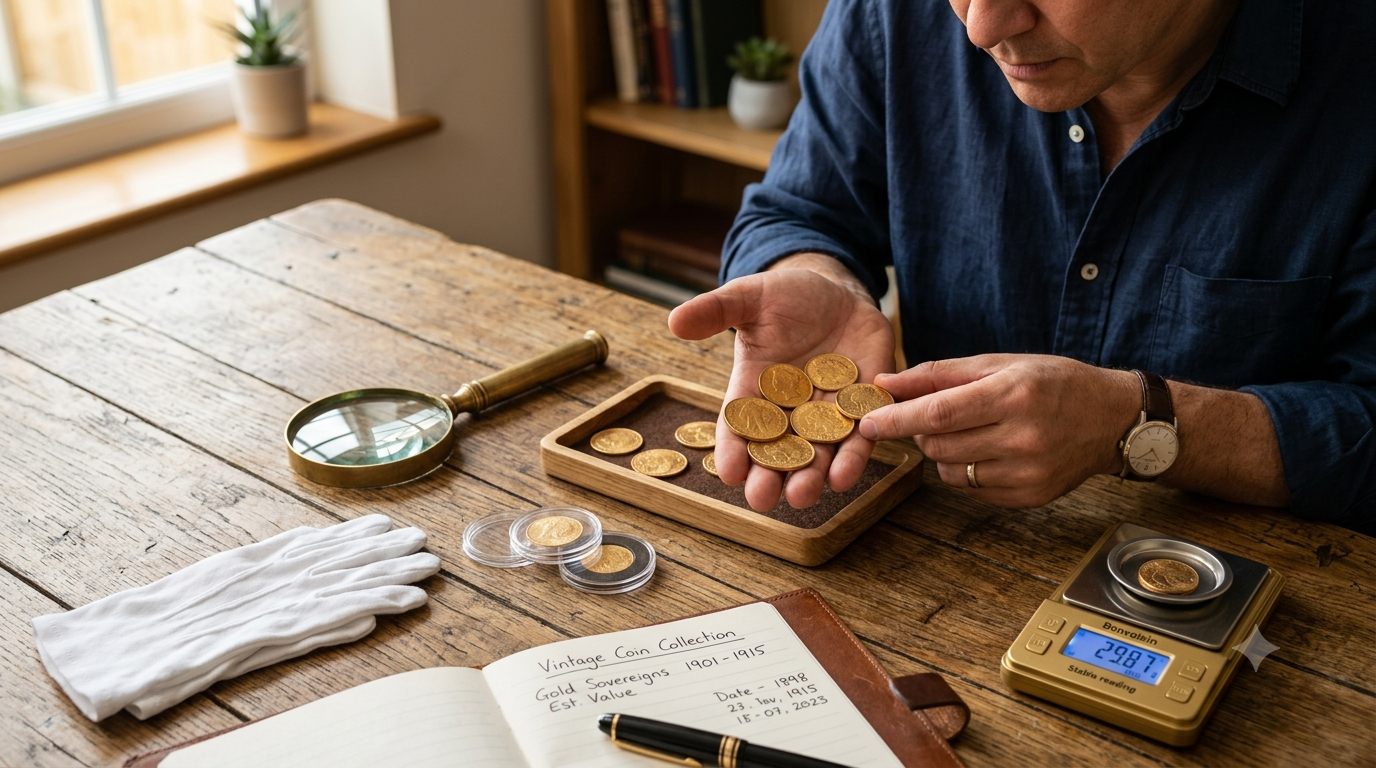
Finding a box of old gold coins after losing a loved one is a strange feeling. Part of you wants to hold onto them. Part of you needs to know what they're worth. If you're trying to sell gold coin pieces you've inherited, here's the short version: figure out what each coin is actually worth, understand the tax side, then pick the right buyer. Get those three things right, and the rest is easy. This guide walks you through all of it.
The Emotional and Financial Weight of Heirloom Gold
Inherited gold coins usually carry two kinds of value at once. There's the money, and there's the memory.
I've spoken with people who sold a "plain looking" coin for scrap price, only to find out months later a near-identical one from the same year sold at auction for ten times as much. It happens more often than you'd think. A coin that looks ordinary to you might be worth far more than its weight in gold to a collector. Others really are worth exactly their melt value, nothing more. You won't know which is which until you check.
So take a breath before you do anything. Learn what you have. Get more than one opinion on value. Understand how the sale works. You'll end up with a better price, and a lot less regret.
Work Out What Your Coins Are Really Worth
Spot Price vs. Numismatic Value
Not every gold coin is priced the same way, and this is the single biggest thing people get wrong when they try to sell gold coin collections.
The spot price is today's market price for raw gold. Most bullion coins — the kind bought purely as an investment — sell close to this number.
But some coins carry numismatic value, meaning collectors pay a premium above the gold price because the coin is rare, historically significant, or in exceptional condition.
A few things push collector value up:
Low mintage numbers
Rare mint marks
A historically important year
Condition that's held up well over decades
Here's a real-world example of just how big that gap can be: a common modern Gold Eagle will usually sell close to its gold value. But a rare 1933 Double Eagle — one of the most famous rare coins in the world — sold at a Sotheby's auction in 2021 for $18.9 million, almost entirely because of its rarity and history rather than its gold content. That's spot price versus numismatic value in action.
Always get both numbers checked before you sell: the metal value and the collector value.
Spotting Fakes and Understanding Grading
Counterfeit gold coins do exist, so it pays to know the warning signs:
Weight that's slightly off from the official spec
Wrong diameter or thickness
Blurry or shallow engraving detail
A colour that looks too yellow, too pale, or uneven
Any magnetic attraction (real gold isn't magnetic)
One rule matters more than any other: never clean an old coin before you sell it. Cleaning leaves micro-scratches that collectors and graders spot instantly, and it can cut the value significantly.
If you want certainty, professional grading through PCGS or NGC puts an authenticated, tamper-evident grade on the coin. A certified coin almost always sells for more, because the buyer isn't taking your word for its condition — they're taking the grader's.
Expert tip: If a coin looks unusual, rare, or has any markings you don't recognise, get it appraised before you do anything else — including cleaning it, storing it loosely with other coins, or accepting a quick cash offer.
Understand the Tax Side Before You Sell Gold Coins
How Inherited Gold Coins Are Taxed in Australia
This is where a lot of guides get it wrong, so let's be precise.
In Australia, gold coins held for investment or collector purposes are generally treated as collectables under capital gains tax (CGT) rules. Any profit from selling them is taxed as part of your regular income, not as a separate "gold tax."
The good news for inherited coins: receiving them isn't a taxable event. You don't pay anything just for inheriting a collection. What matters is what happens when you eventually sell.
When you inherit a coin, your cost base generally becomes the coin's market value on the date the previous owner passed away. That's your starting point for working out any gain.
For example:
Your grandfather bought a coin decades ago for a few hundred dollars.
On the date he passed away, it was worth $2,000.
You sell it today for $2,300.
Your taxable capital gain is roughly $300, not the full sale price and not the original purchase price.
There's also a smaller exemption worth knowing about: a collectable is generally exempt from CGT if it was originally acquired for $500 or less. This mostly applies to lower-value pieces, but it's worth checking if part of the collection was inexpensive to begin with.
If you've held the coin for more than 12 months, which is almost always true for an inherited collection, individuals are generally entitled to a 50% CGT discount, meaning only half of the gain gets added to your taxable income.
A Word of Caution
Tax rules depend heavily on your personal circumstances — how the coin was classified, when it was acquired, and your overall income. This section is general information, not personal tax advice. Before you sell a valuable collection, have a short conversation with a registered tax agent or accountant who can confirm exactly how your sale will be treated.
Keep good records regardless of what you decide:
Photos of every coin
Any inheritance or estate documents
Independent appraisal reports
Sale receipts and correspondence with buyers
Good paperwork makes tax time simpler, and it protects you if the ATO ever asks questions.
Choose the Right Way to Sell
Local Coin Shops and Bullion Dealers
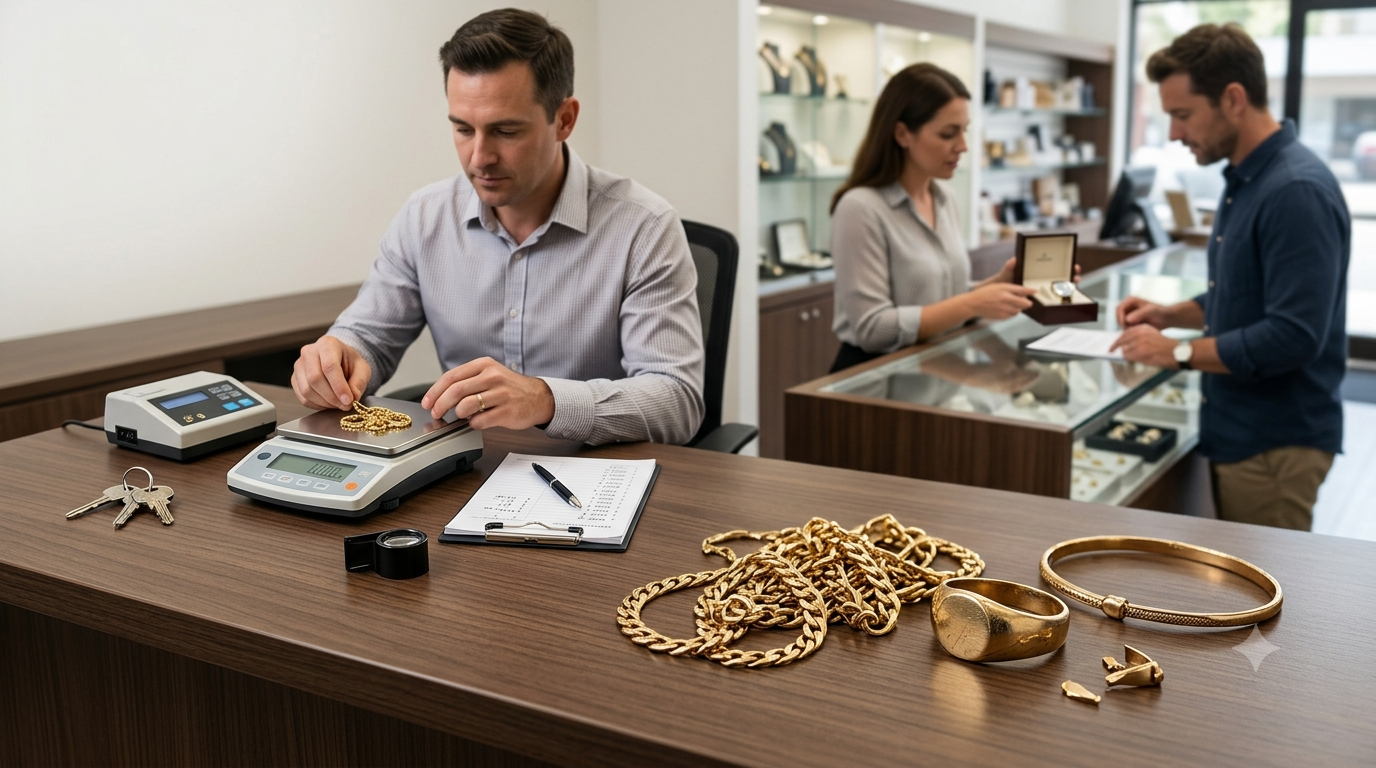
Selling locally is the fastest, simplest option.
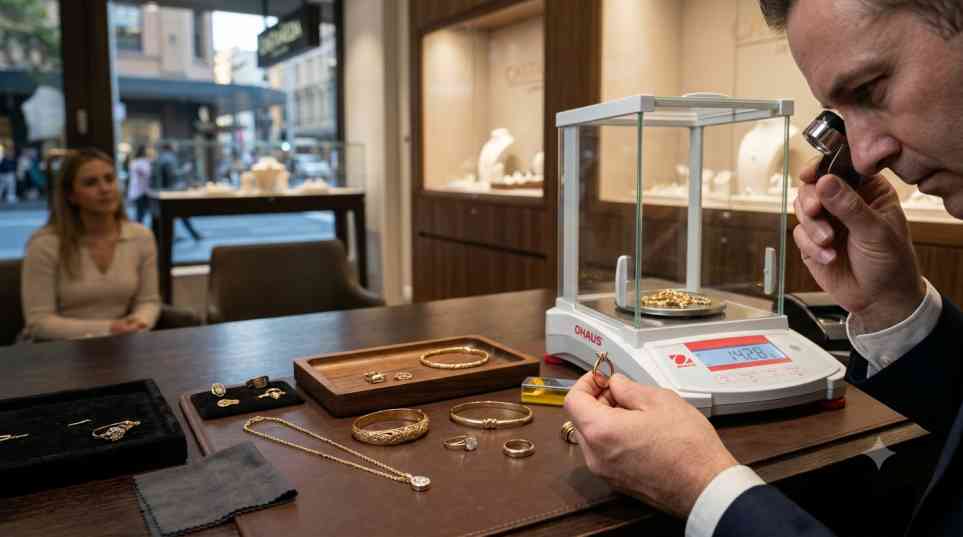
What you get: quick payment, face-to-face inspection, no shipping risk, and someone who can answer questions on the spot.
The trade-off: local dealers usually offer somewhat below top market price, because they need margin to resell.
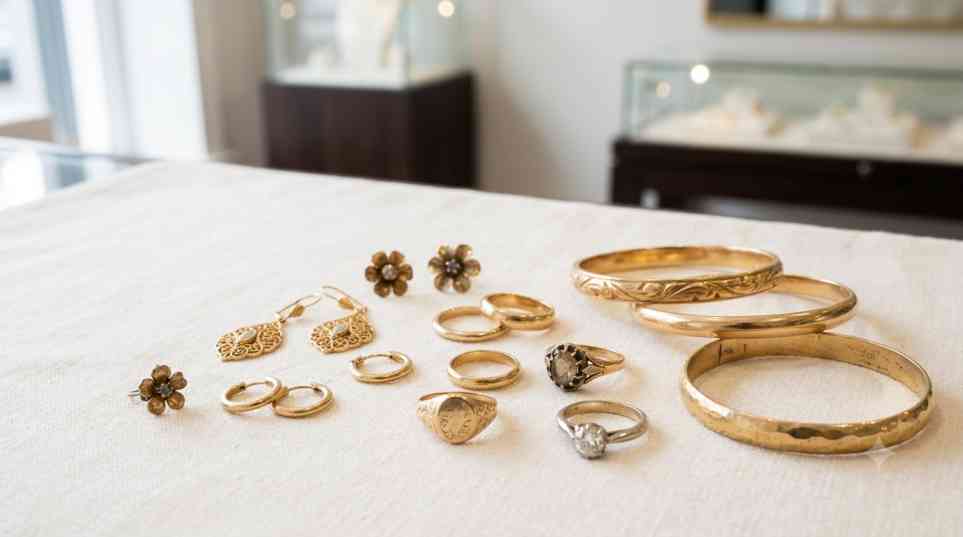
Look for a dealer with clear pricing, genuine customer reviews, proper licensing, and staff who can explain how they arrived at their offer. If you're also thinking about how to sell gold jewellery at the same time, choose a buyer who values both jewellery and coins fairly, rather than treating everything as scrap metal.
Online Marketplaces and Auctions
For rare or high-value coins, selling online — especially through a specialist auction house — can produce a noticeably higher price, because you're reaching collectors who are specifically hunting for what you have.
If you go this route:
Use insured, tracked shipping
Photograph every coin clearly, front and back
Describe condition honestly; don't oversell flaws
Check buyer or platform feedback before committing
Never accept unusual or unverifiable payment methods
Working with an experienced gold buyer, whether local or online, takes a lot of the guesswork out of pricing, because they can tell you where your coins genuinely sit between spot price and collector value.
Get the Best Final Price
Check the Market Before You Commit
Gold prices move daily, sometimes sharply. Before agreeing to any offer:
Check the live spot price on the day you're selling
Get quotes from at least three buyers
Confirm whether your coin has collector value on top of its metal value
Prices can swing meaningfully during periods of economic uncertainty, so it's worth watching the trend for a week or two rather than accepting the first number you hear.
Red Flags to Watch For
A buyer who pressures you to decide on the spot
Claims of "hidden problems" with no evidence shown
Upfront certification or "processing" fees before any payment
Refusal to explain how they calculated their offer
No written documentation of the transaction
A trustworthy buyer will happily walk you through their pricing and give you time to think it over.
Look After Your Coins Until Sale Day
Store and Insure Them Properly
Until the sale is done, keep your collection secure. A quality home safe, a bank safety deposit box, or an insured storage service are all reasonable options. For a valuable collection, add specific insurance coverage rather than relying on standard home contents insurance.
Build a simple inventory as you go: photos, weight, date, mint mark, condition notes, and an estimated value for each coin. This protects you and speeds up any future sale.
Handle the Sale Itself Safely
When it's time to meet a buyer:
Meet at a secure public location or a legitimate business premises
Confirm payment has actually cleared before handing over coins
A bank transfer or PayID payment is generally safer than large amounts of cash
Get a written receipt or bill of sale for your records
That paperwork matters for tax purposes, and for your own peace of mind later.
Quick Pre-Sale Checklist
Photographed and catalogued every coin
Identified which coins may have numismatic value
Gotten unusual or rare coins professionally graded
Confirmed today's spot price for gold
Gathered quotes from at least three buyers
Checked cost base and likely CGT position
Spoken with a tax professional if the collection is significant
Arranged safe storage and insurance until sale day
Frequently Asked Questions
How much is my inherited gold coin actually worth?
It depends on two things: the current gold spot price for its weight, and whether it carries extra numismatic value due to rarity or condition. A dealer or independent appraiser can check both.
Do I have to pay tax on gold coins I inherited?
Not for inheriting them. Tax generally applies only if you later sell for more than the coin's value at the date you inherited it, and even then, holding the coin over 12 months usually qualifies you for a 50% CGT discount. Confirm your specific situation with a tax professional.
Should I get my coins graded before selling?
For anything that looks rare, old, or unusual, yes. PCGS or NGC grading can significantly increase buyer confidence and price, especially for coins worth selling individually rather than as bullion.
Is it better to sell to a local dealer or online?
Local dealers are faster and lower-risk. Online or auction sales can bring higher prices for genuinely rare coins, but take longer and carry more shipping and verification steps.
Your Next Step
Selling inherited gold coins doesn't have to be stressful. Work through it in order:
Find out what each coin is worth, both as metal and as a collectable
Get valuable or unusual pieces professionally graded
Understand your likely tax position, and check it with a professional
Compare offers from a few different buyers
Watch the spot price before you commit
Keep every coin stored safely and documented until sale day
Value → Tax → Sale. Get those three steps right, and you'll walk away with a fair price, and no regrets about how your family's collection was handled.
If you want to go deeper on why certain coins fetch far more than others, read Why Rare Gold Coins Sell for More Than Their Melt Value before you make your final decision.
Written By
Team Times&Gold
Journal Insights
Visit Us in Parramatta!
NO APPOINTMENTS NEEDED!
Located inside DLUX Jewellers
Opposite Commonwealth Bank