Australia's Highest Paying Gold Buyers $$$


Designer Jewellery Gold Value: What Sydney Buyers Pay
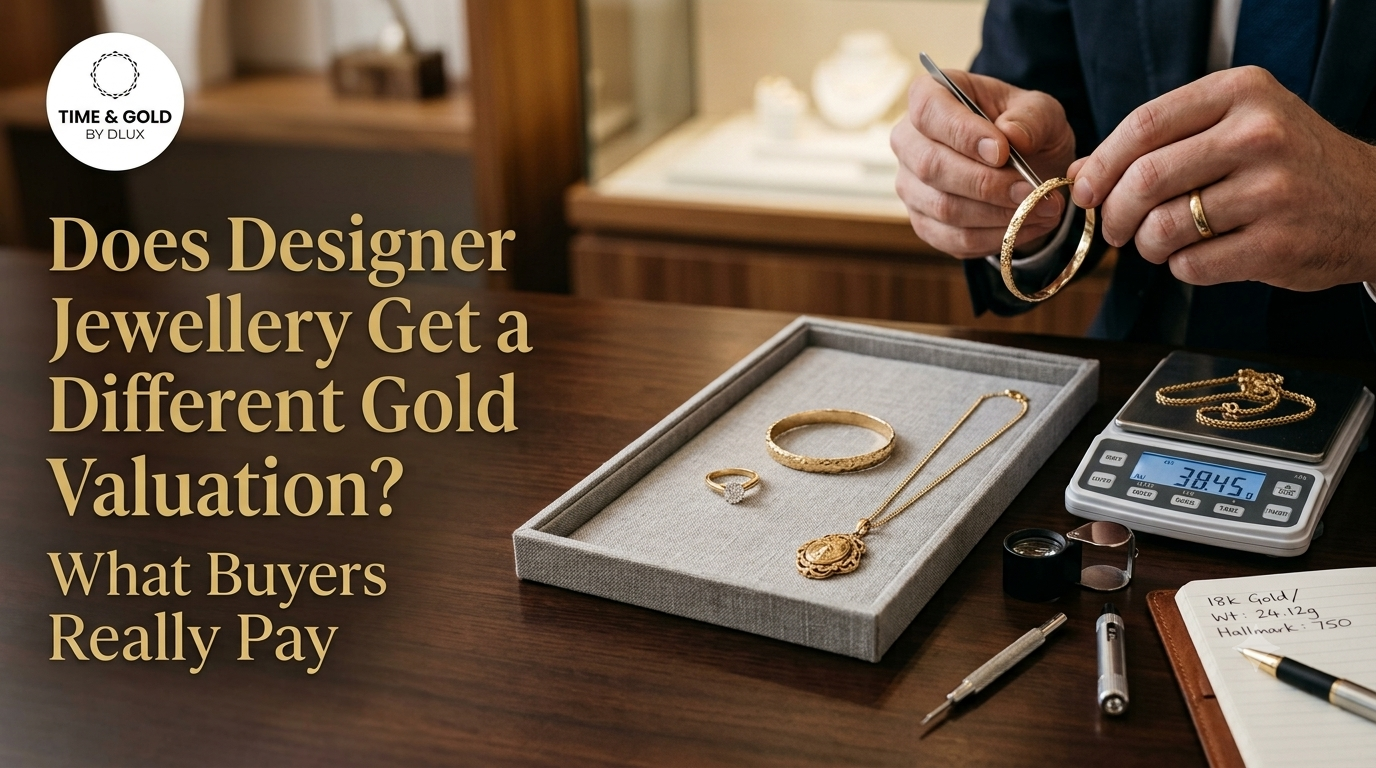
If you're planning to sell gold in Australia, you're probably wondering how to get a fair price especially if the piece is designer jewellery. A designer ring, bracelet or pendant can be worth far more than its gold content alone, but only in the right circumstances.
The key is understanding the difference between gold value and resale value before you accept any offer.
Gold Value and Resale Value Are Not the Same Thing
Every gold item has a basic metal value, based on its weight and purity. On top of that, a piece may carry extra value from its brand, design, condition, rarity, and any gemstones.
A designer name can lift the price but it isn't automatic. The brand needs genuine demand, the item needs to be authentic, and the condition needs to support a resale price above scrap.
How Purity and Weight Set the Basic Gold Value
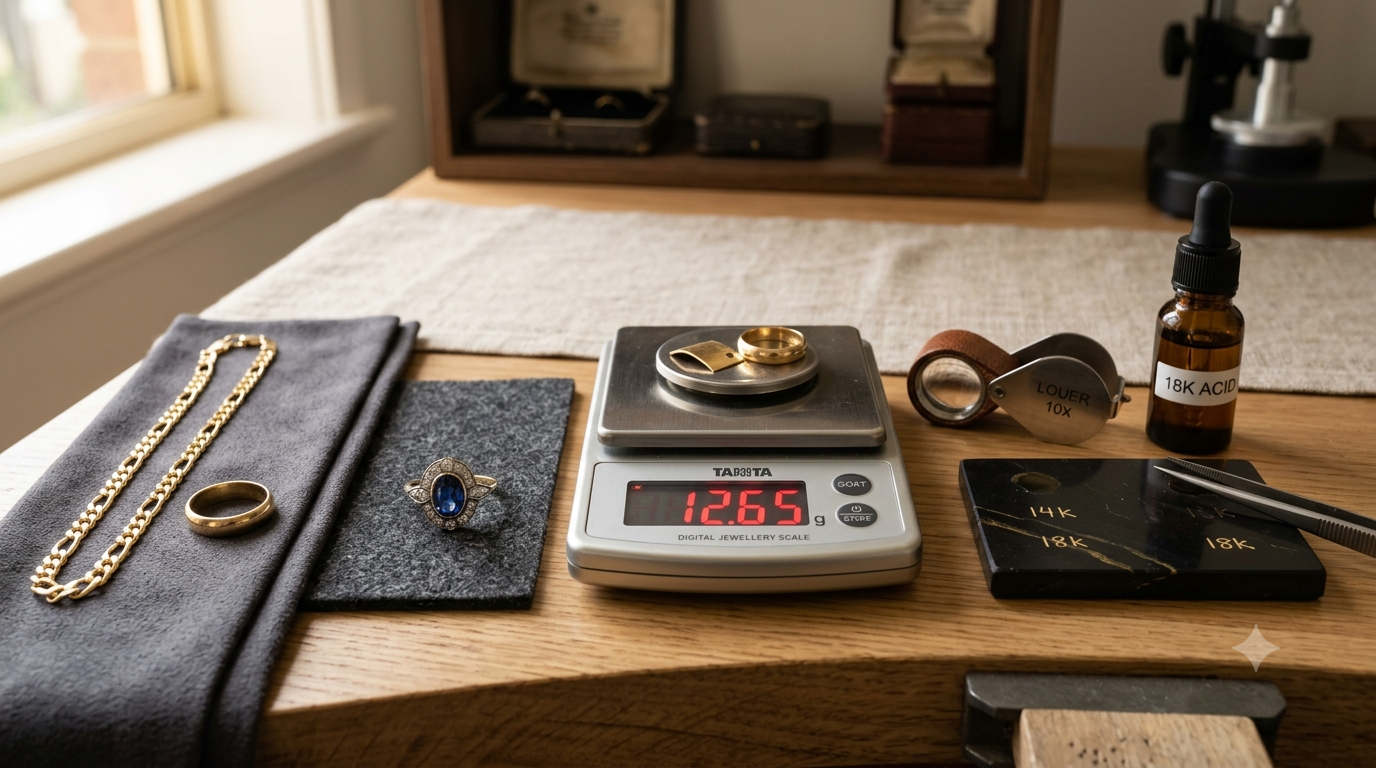
Gold purity tells you how much of the item is actually gold, versus other metals mixed in to strengthen it. Common purity levels in Australia are:
24ct — about 99.9% pure gold
22ct — about 91.6% pure gold
18ct — 75% pure gold
14ct — about 58.3% pure gold
9ct — 37.5% pure gold
A simple starting point for working out gold content is:
Gold content = weight × purity × current gold price
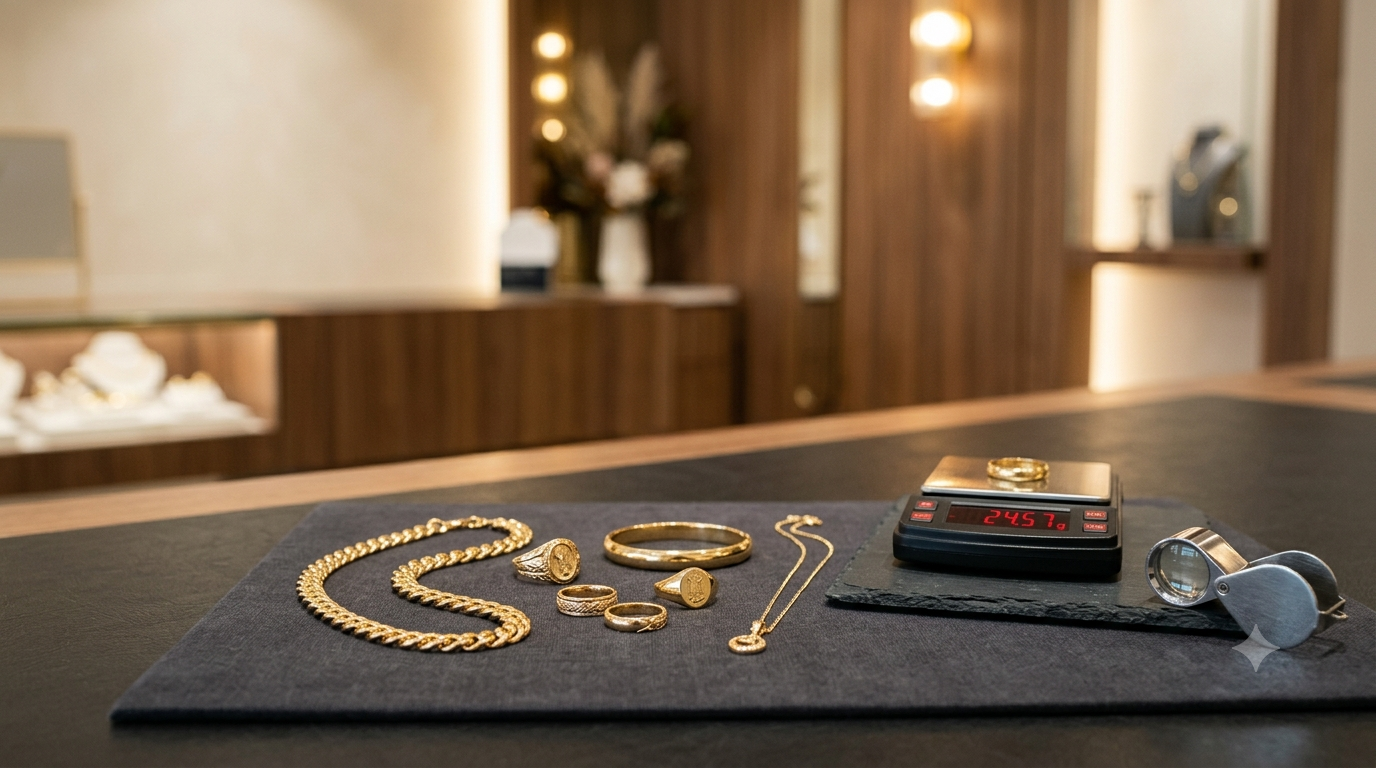
This gives you the basic metal value, not necessarily the final offer. Two things usually reduce it further. First, stones, clasps, springs and other non-gold parts aren't counted as gold, so your item's "payable weight" is often lower than its total weight. Second, buyers typically offer a percentage below the full metal value to cover their margin, refining costs, and fees — this is standard practice, not a red flag, but it's worth asking about upfront.
For example, a 20-gram bracelet made from 18ct gold contains around 15 grams of pure gold (20g × 75%). That figure is your reference point for comparing offers — not the amount you should expect in your hand.
A Designer Brand Doesn't Automatically Mean a Higher Price
A well-known name can add a real premium on top of the gold value, but only when the market actually wants that specific piece. Brand value tends to be strongest when there's:
Genuine collector demand
Limited production or a discontinued design
Recognisable, in-demand styling
Proof of authenticity (papers, box, hallmarks)
Collections such as Cartier Love bracelets, Van Cleef & Arpels Alhambra pieces, Tiffany & Co. signature designs, and Bulgari Serpenti pieces are examples of jewellery that can attract strong resale demand — but this depends on the specific model, its condition, and current market interest, not the brand name alone.
Brand value is usually weaker when the piece is heavily worn, has little current demand, is missing its papers or hallmarks, or when the buyer you've chosen only purchases jewellery for its scrap gold. A smaller designer label may have carried a high retail price when new but limited demand secondhand.
In short: a brand adds value when buyers want it and can verify it — not just because it's designer.
The Same Piece Can Get Very Different Offers
Take an 18ct designer bracelet to three different buyers and you'll likely get three different numbers.
Buyer type
Main basis for valuation
Speed
Scrap gold buyer
Gold content only
Fast
High-street jeweller
Gold content + local demand
Medium
Luxury resale dealer
Brand, design, condition, demand
Medium
A scrap buyer will price mainly on metal content. A jeweller may factor in local demand and offer cash or trade-in credit. A luxury resale specialist is more likely to recognise brand and design value — but usually takes longer to assess and sell.
Condition, Rarity and Gemstones Matter
Buyers typically check for scratches, dents, past repairs, missing stones, worn clasps, and tarnish or damaged plating. Even solid gold jewellery can lose resale value if it needs repair work.
You can have jewellery professionally cleaned before a valuation, but go carefully with antique or rare pieces — heavy polishing can alter the original surface and reduce their appeal to collectors.
Rarity can add real value too: limited editions, discontinued designs, numbered pieces, or items with a documented history can be worth noticeably more than a common piece with the same gold content — but only when a buyer can verify that rarity.
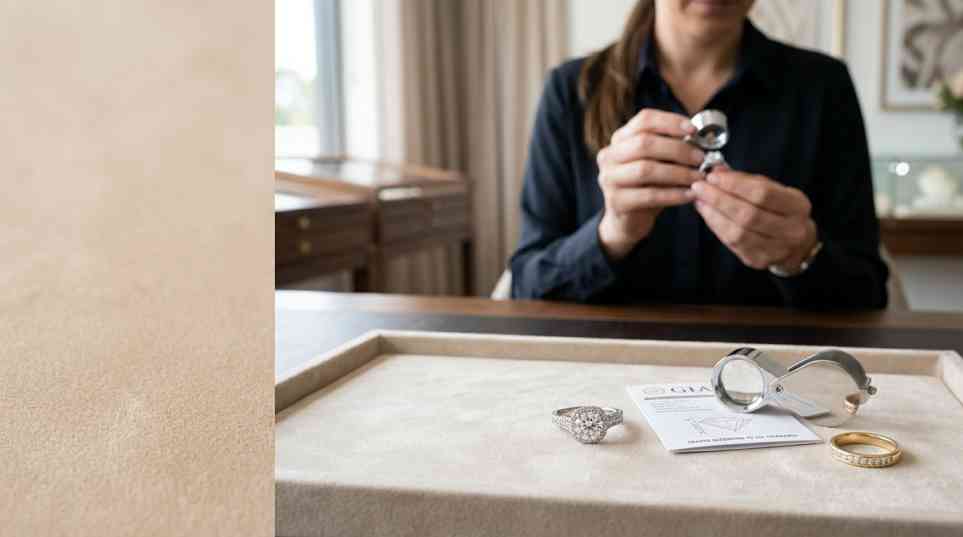
Gemstones need their own assessment. Don't assume a gold buyer will value stones fairly, since their main focus is often the metal. For diamonds, value depends on cut, colour, clarity and carat; for other stones, on type, treatment, quality and setting. If your piece includes a valuable diamond or coloured gemstone, a separate certificate or appraisal from a qualified gemmologist can help.
Prepare Before You Get a Valuation
If you plan to Sell gold jewellery in Sydney, don't accept the first offer without comparing others.
Before your appointment, gather anything that helps prove your jewellery's history and authenticity:
Original receipt
Brand box, papers and authenticity card
Insurance valuation or service records
Gemstone certificates
Clear photos of hallmarks and serial numbers
Missing paperwork doesn't mean your jewellery has no value — but it may slow down the sale and make buyers more cautious with their offer.
How to Compare Offers From Gold Buyers Sydney-Wide
When comparing gold buyers Sydney has to offer, look past the headline number. Ask each buyer the same set of questions so you're comparing like for like:
What gold purity did they record?
What weight is being paid for?
Which current gold price are they using?
Are gemstones valued separately?
What fees or deductions apply?
Is the offer based on scrap, trade-in, or resale value?
A high headline price isn't always the best final payout — one buyer might deduct significant fees, while another offers less upfront but with a simpler, no-deduction cash sale. Getting at least three valuations, and asking for offers in writing, makes it much easier to compare fairly.
Quick Checklist Before You Sell
Weigh and check the hallmark yourself where possible
Gather receipts, papers and certificates
Get a current gold price check on the day
Get separate figures for gold, gemstones and brand value where relevant
Compare at least three offers before deciding
Avoid heavy polishing on rare or antique pieces beforehand
Ready to Find Out What Your Jewellery Is Really Worth?
The only way to know for certain is to get it valued. Bring your pieces, along with any receipts, papers or certificates you have, and get a free, no-obligation valuation from Time&Gold to see what your gold and your designer pieces are really worth before you decide anything.
Final Thoughts: Look Beyond the Gold Price
Designer jewellery can be worth far more than its gold content — but that's not guaranteed for every piece. The gold value is your baseline. Brand, design, rarity, gemstones and condition are what can push the final price above it, and only when the market genuinely supports that premium.
The best way to avoid losing money is simple: understand what you actually own, get separate gold and resale valuations where relevant, and compare offers before you commit.
Written By
Team Times&Gold
Visit Us in Parramatta!
NO APPOINTMENTS NEEDED!
Located inside DLUX Jewellers
Opposite Commonwealth Bank