Australia's Highest Paying Gold Buyers $$$


Can Old Gold Jewellery Be More Valuable Than You Think? Find Its Hidden Worth
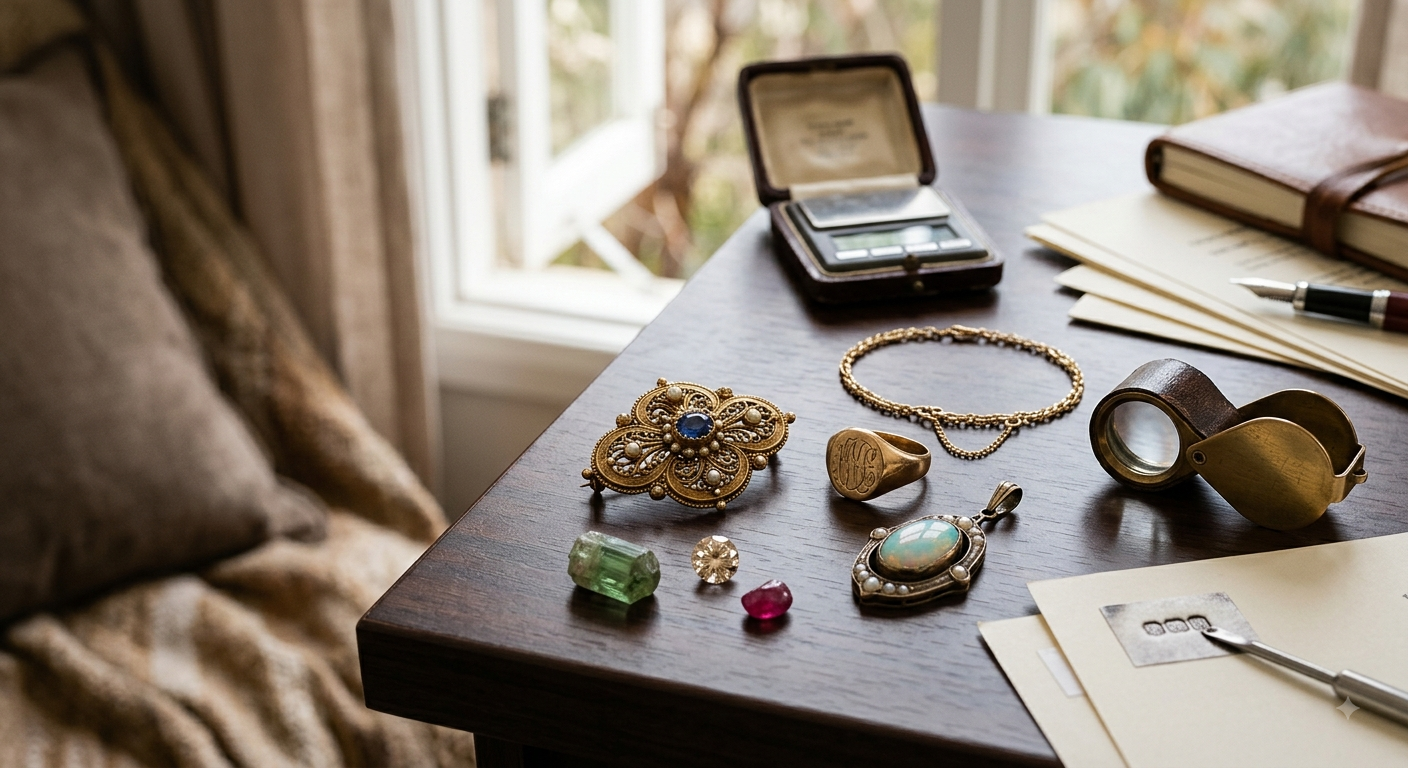
If you are considering a cash for gold offer in Australia, it is easy to focus on one number: the weight of your jewellery. But gold weight is only part of the story. An old ring, brooch, bracelet or pendant may also have value because of its age, design, maker, gemstones or history.
A plain-looking 18-carat brooch, for example, may be worth more as an antique jewellery piece than as melted gold.
So, should you melt old gold jewellery, sell it, restore it or keep it? Before accepting an offer, check what you actually own. The gold content sets a useful starting point, but the complete jewellery piece can be worth much more.
Expert quote: Add an approved quote from a certified Australian jewellery valuer before publication, such as: “The gold content is only one part of a jewellery valuation.”
Gold Content Sets the Floor, Not Always the Final Price
Read the Hallmark Before Weighing the Piece
Start by looking closely at the marks on your jewellery. Common gold purity levels include:
24 carat: about 99.9% gold
22 carat: about 91.6% gold
18 carat: 75% gold
14 carat: about 58.5% gold
9 carat: 37.5% gold
Marks can sometimes tell you more than purity. They may identify a maker, sponsor, assay office or design period. On older pieces, these small marks can help an expert work out where and when the jewellery was made.
Do not assume that every gold-coloured item is solid gold. Some pieces are gold plated, gold filled or rolled gold.
Before cleaning, polishing or repairing old jewellery, photograph every mark you can find. This record may help a valuer identify the piece later.
Calculate Melt Value Without Mistakes
A simple starting formula is:
Weight × purity × current gold price per gram = estimated metal value
For example, a 20-gram 18-carat item contains about 15 grams of pure gold because 20 × 0.75 = 15.
However, this does not mean a buyer will pay the full market value of 15 grams of pure gold. Gemstones add weight but are not gold. Clasps, springs, solder and other parts may also have different metal content. A dealer may also account for testing, refining, operating and other business costs.
For an Australian article published in August 2026, use the LBMA Gold Price applicable on the publication date, converted to Australian dollars and grams, or a reliable Australian market price. The LBMA describes its gold benchmark as a global reference price and notes that it is set through auctions twice each business day.
This is why the headline gold price and the amount offered by a gold buyer are not always the same.
Compare Three Values Before Selling
Before you decide on Selling Gold, understand which value you are being quoted:
Melt value – what the metal may be worth for refining.
Replacement value – an estimate used for insurance.
Resale or auction value – what a buyer may actually pay for the complete jewellery item.
These values can be very different.
Ask yourself:
What is the gold purity?
What is the true gold weight?
Is there a known maker?
Is the piece old or rare?
Does it have an unusual design?
Are the gemstones natural?
Do I have proof of its history?
Age and Design Can Turn Gold Jewellery Into a Collectable
Learn Which Periods Draw Buyer Interest
Certain jewellery periods can attract collectors in Australia and overseas. These include Georgian, Victorian, Edwardian, Art Nouveau, Art Deco and mid-century modern pieces.
Look for clues such as fine filigree, hand engraving, millegrain edges, enamel, old-cut diamonds and unusual fastenings.
Age alone, however, does not guarantee a high price. A damaged and common old ring may be worth little more than its metal. A rare piece in good original condition may attract much stronger interest.
Look for Craftsmanship That Modern Pieces Rarely Match
Old jewellery can contain details that are difficult to reproduce today. Fine pierced work, hand-cut stones, hand-painted enamel, detailed engraving and carefully made settings can all support collector interest.
Be careful with polishing. Heavy polishing can remove fine details or change the original surface. Repairs can also affect collector appeal.
The safest rule is simple:
Appraise first, repair second.
If an old piece could be collectible, do not replace stones, remove enamel or carry out major soldering before getting professional advice.
An Australian Auction Example
A recent Australian auction shows why the complete piece can matter. At a Lawsons auction in Sydney in July 2026, an 18-carat gold butterfly brooch weighed only 7.37 grams, yet its catalogue estimate was A$800–A$1,000. The brooch featured plique-à-jour enamel wings and two small diamond eyes, showing that buyers were considering more than gold weight alone. It ultimately sold for A$800.
Example
Purity
Weight
Auction result
Why it matters
18ct butterfly brooch
18ct
7.37g
A$800
Enamel, design and complete construction
Victorian locket brooch
18ct
21.87g
Passed at A$3,000–A$4,000 estimate
Period design, enamel and pearls
The second example is also useful because it shows that an attractive antique is not automatically guaranteed to sell. A Victorian 18-carat pearl and enamel locket brooch offered by Lawsons in February 2026 had an estimate of A$3,000–A$4,000 but passed without a sale.
The lesson is important: collector value depends on demand as well as age and materials.
Maker, Rarity and Provenance Can Create the Biggest Premium
Check for Names That Buyers Trust
Look carefully for maker or designer marks. Check inside rings, on brooch backs, around bracelet clasps and near pendant loops.
A recognised maker can change the market completely. Designer and signed pieces may attract specialist dealers and auction buyers rather than ordinary scrap buyers.
But be careful. A copied signature or false hallmark can make a piece much less valuable. If you believe you have a famous brand or maker, get an independent opinion before advertising it.
Treat Provenance as Evidence, Not Just a Family Story
A family story can make jewellery interesting, but documents can make it more useful to a buyer.
Useful provenance may include:
Original receipts
Old valuation certificates
Auction records
Family photographs
Letters or estate documents
Records showing previous ownership
Keep original documents safe and remove personal information such as names, addresses and account details before sharing copies online.
What an Auction Record Can Teach You
Australian auction catalogues regularly show the difference between ordinary gold and jewellery with additional appeal. For example, Lawsons' 2024 Fine Jewellery & Timepieces auction listed an antique 9-carat gold padlock bracelet at an estimate of A$600–A$800, and it sold for A$700. An 18-carat gold dragon choker estimated at A$1,200–A$1,500 sold for A$1,000.
These results do not predict what your jewellery is worth. They simply show why comparing real market sales can be more useful than looking only at the scrap price.
Gemstones, Condition and Repairs Can Change the Valuation
Check Whether the Stones Have Separate Value
Old jewellery may contain natural diamonds, sapphires, rubies, emeralds, opals or pearls. It may also contain paste, glass or laboratory-grown stones.
For valuable pieces, a gem expert may need to check whether a stone is natural, laboratory-grown or treated. Size, colour, clarity, cut and matching stones can also affect value.
Australian consumer guidance stresses the importance of accurate descriptions when gemstones are natural, laboratory-made, synthetic or imitation.
Judge Condition Before Paying for Repairs
Condition can either support or reduce value.
Original parts may be desirable to collectors. Missing stones, heavy wear and poor repairs can reduce interest. On the other hand, a small amount of wear may be acceptable for a genuine antique.
Do not automatically:
Replace old-cut diamonds
Remove enamel
Reset original stones
Solder an antique mount
Polish away surface detail
Instead, ask whether the repair is likely to increase the selling price by more than it costs.
A Stone Can Be Worth More Than the Gold
Imagine a 10-gram 18-carat ring. Its melt value may be fairly easy to calculate, but a natural sapphire and hand-cut diamonds could create much of its resale value.
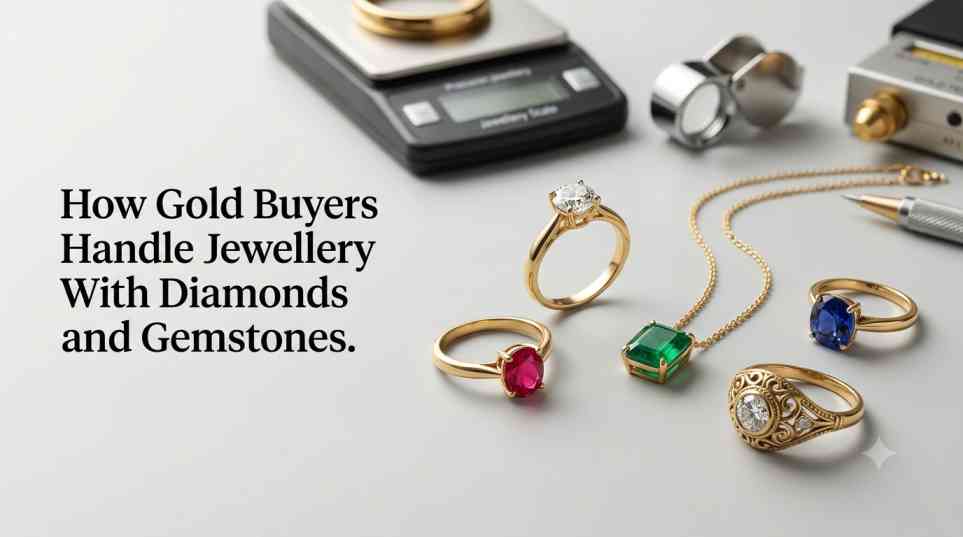
This is one reason a specialist valuation can be useful before visiting a gold buyer. A precious-metal buyer may focus mainly on what can be refined, while a jewellery valuer considers the complete object.
For a valuable piece, consider getting two opinions: one for the metal and another for the jewellery and gemstones.
Sell Without Giving Away Hidden Value
Choose the Right Valuation for Your Goal
Your selling route should match your goal.
Need a quick sale? Compare reputable precious-metal buyers.
Have a rare antique? Consider a specialist dealer or auction house.
Need insurance cover? Ask for a qualified replacement valuation.
Dividing an estate? Use an independent market valuation.
Remember that an insurance valuation is not the same as a likely selling price.
A written valuation should ideally state the date, method, condition, metal content, gemstone details and supporting comparable sales.
Compare Offers Like for Like
When comparing offers, ask:
What purity did you record?
What weight are you paying for?
What price per gram are you using?
Are gemstones included?
Are there deductions or fees?
Get two or three offers where practical. Keep the jewellery in sight while it is weighed and tested, and request a receipt showing the item, weight, purity, price and deductions.
Avoid anyone who pressures you to sell immediately.
Protect Yourself When Selling
Australian consumer law provides protections against certain misleading or unfair business practices, and businesses must meet applicable consumer guarantees when selling goods and services.
Before choosing a buyer, check their business details, physical address, reviews and relevant industry memberships. Ask about the testing method and any fees before agreeing to a sale.
Be cautious if a buyer:
Gives no written offer
Hides fees
Pressures you
Will not explain the testing method
Wants to remove stones without a clear reason
Says every old piece is “only scrap”
Old Gold Jewellery May Be Worth More as History Than Scrap
Gold content gives old jewellery a useful base value, but it is not always the final answer. Age, design, craftsmanship, maker, gemstones, condition and provenance can all change what someone may pay.
Before selling, follow this simple path:
Check the hallmark → weigh the piece → research the style → inspect the stones → get an independent valuation → compare selling routes.
Most importantly, do not melt or heavily alter old jewellery before checking its wider value.
A scrap quote only tells you what someone is prepared to pay for the material. A proper valuation can tell you what the complete piece may be worth.
Expert quote: Add a fact-checked quote from a qualified Australian valuer before publication, such as: “A careful valuation can reveal value that a scale and gold chart cannot show.”
The best price may come from selling the story, skill and history of the jewellery—not simply its gold weight.
Frequently Asked Questions
1. Can old gold jewellery be worth more than its scrap value?
Yes. Old gold jewellery can have extra value because of its age, design, maker, gemstones, rarity, condition and history. Before accepting a cash for gold offer, consider getting the complete piece valued.
2. How do I know how much my old gold jewellery is worth?
Start by checking the hallmark, gold purity and weight. Then consider the gemstones, maker, age, condition and provenance. A professional jewellery valuation can give you a better idea of its resale or auction value.
3. Should I polish or repair antique gold jewellery before selling it?
It is usually best to get it valued first. Polishing or repairs can remove original details or affect collector appeal. An expert can tell you whether a repair is likely to increase or reduce the item's value.
4. Can gemstones make old gold jewellery more valuable?
Yes. Natural diamonds, sapphires, rubies, emeralds, opals and pearls can add significant value. Their worth depends on factors such as size, quality, origin, treatment and condition, so valuable stones may need separate assessment.
5. Should I sell old jewellery to a gold buyer or an auction house?
It depends on the jewellery. A gold buyer may be suitable for a simple piece where the main value is the metal. A rare, antique, designer or gemstone-rich piece may achieve a better result through a specialist dealer or auction house. Compare several options before selling.
Written By
Team Times&Gold
Journal Insights
Visit Us in Parramatta!
NO APPOINTMENTS NEEDED!
Located inside DLUX Jewellers
Opposite Commonwealth Bank