Australia's Highest Paying Gold Buyers $$$


Questions You Should Ask Before Selling Gold Coins: Get the Best Price
Introduction
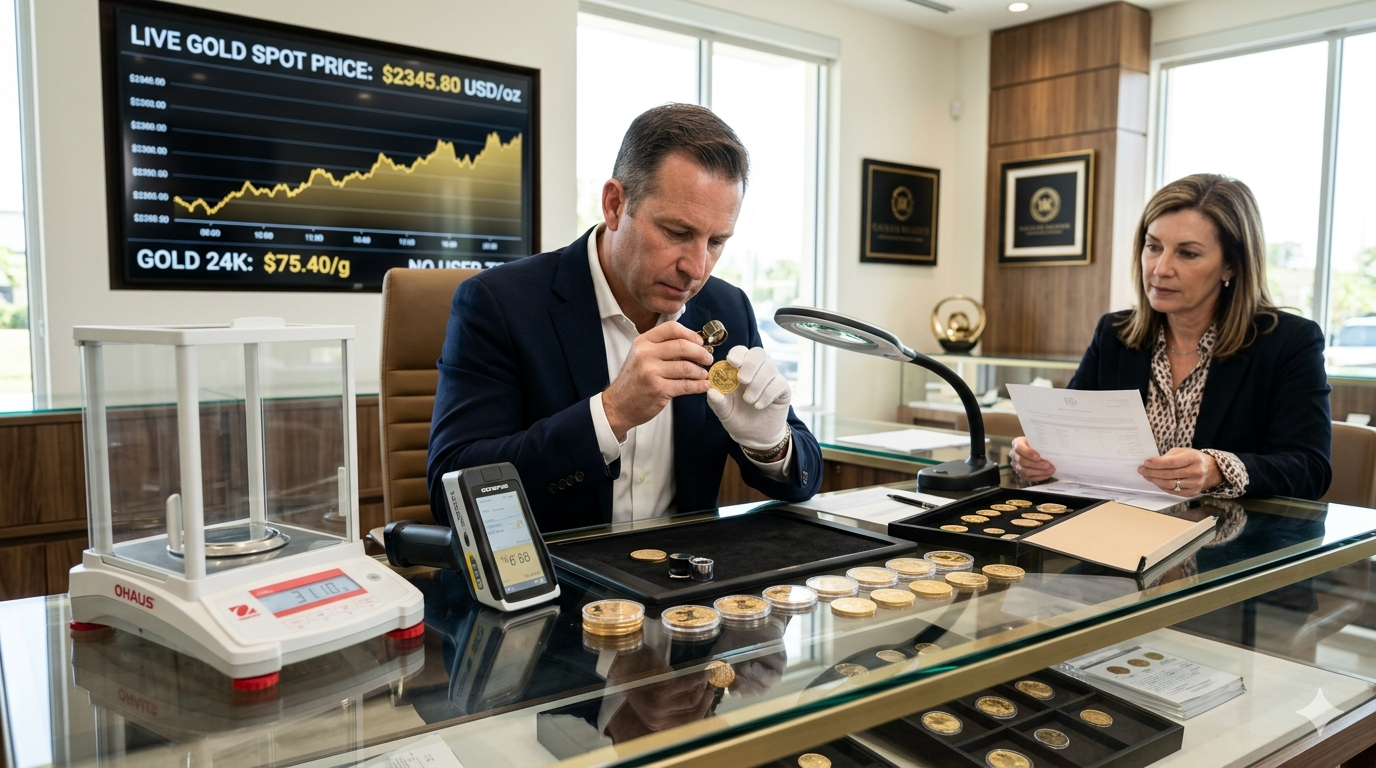
Selling Gold Coins can be one of the quickest ways to turn your investment into cash, but rushing into a sale without asking the right questions could leave you accepting far less than your coins are worth. Whether you're selling investment-grade bullion, inherited coins, or collectible pieces, every buyer evaluates gold differently, and not every offer reflects the true market value.
Many sellers focus only on the current gold price, overlooking important factors like numismatic value, grading, dealer fees, and testing methods. A reputable buyer should be transparent throughout the process and willing to explain exactly how they arrived at their offer.
This guide walks you through the most important questions to ask before selling your gold coins. By following this checklist, you'll be better equipped to compare offers, avoid hidden charges, and maximize your payout.
How Do You Determine the Value of My Coins?
Understanding how a dealer values your coins is the foundation of getting a fair offer. A professional buyer should explain every step of their valuation process instead of simply quoting a price.
Spot Price vs. Numismatic Value
One of the biggest misconceptions about gold coins is that they're worth only their weight in gold. While this may be true for many bullion coins, collectible or historic coins often carry significant numismatic value.
A dealer should evaluate both:
Current gold spot price
Gold purity
Coin weight
Rarity
Year of issue
Mint mark
Collector demand
Overall condition
For example, a standard American Gold Eagle generally sells close to its bullion value. However, a rare 1933 Double Eagle has sold for millions because of its extraordinary rarity and historical significance.
Some collectible gold coins sell for 100% more—or even several times more—than their melt value simply because collectors are willing to pay a premium.
Always ask:
"Are you valuing my coin only for its gold content, or are you considering its collectible value as well?"
The Role of Grading and Certification
Professional grading can significantly increase the value of certain coins.
Coins certified by respected grading organizations such as:
PCGS (Professional Coin Grading Service)
NGC (Numismatic Guaranty Company)
provide confidence regarding authenticity and condition.
Even a one-point difference in grading can dramatically affect value.
For example:
GradePotential ValueMS63Standard Market PriceMS6410–25% HigherMS65Premium Collector Value
Expert Insight
"Many valuable coins lose value because of tiny scratches, improper cleaning, or edge damage that isn't immediately visible. Professional grading helps buyers accurately determine condition and protects sellers from undervaluation." — Certified Gemologist
What Fees or Commissions Are Deducted?
A high offer doesn't always translate into the highest payout. Hidden fees can quickly reduce the amount you actually receive.
Understanding the "Spread"
Every precious metals dealer earns money through the buy-sell spread.
The spread is simply the difference between:
The price they buy gold for
The price they later sell it for
Some dealers maintain a small, transparent spread, while others add additional charges.
Common deductions include:
Appraisal fees
Processing fees
Refining fees
Shipping charges
Insurance costs
Administrative fees
Always ask for a written breakdown before agreeing to sell.
Warning Signs
Avoid buyers who:
Cannot explain their pricing
Refuse to disclose fees
Pressure you into selling immediately
Keep changing their offer
Transparency is a hallmark of a trustworthy dealer.
Comparing Payout Percentages
For standard bullion coins, reputable dealers commonly pay 90%–98% of the current spot price, depending on demand and market conditions.
Case Study
Suppose your coins contain $10,000 worth of gold.
BuyerOfferPawn Shop$8,500Jewelry Store$9,100Bullion Dealer$9,700
The difference between the highest and lowest offer is $1,200—proof that comparing buyers pays off.
Fee Structures to Watch For
Flat transaction fee
Percentage commission
Melting charges
Refining costs
Shipping fees
Storage fees
Insurance deductions
Administrative charges
Always calculate your final payout—not just the initial offer.
How Is the Gold Tested and Verified?
Testing ensures your coins are genuine and accurately valued.
Professional dealers should use modern, non-destructive equipment whenever possible.
Non-Destructive Testing Methods
Ask whether the dealer uses advanced verification tools like:
XRF (X-Ray Fluorescence) Scanner
Sigma Metalytics Precious Metal Verifier
Digital Precision Scale
Electronic Calipers
Magnification Equipment
These methods verify purity without damaging the coin.
Avoid buyers who immediately resort to acid testing, especially for collectible coins, as acid tests can permanently mark the surface.
Dealer Equipment Checklist
A reputable dealer should have:
✔ XRF Analyzer
✔ Sigma Metalytics Device
✔ Precision Digital Scale
✔ Digital Calipers
✔ Magnifying Microscope
✔ Authentication Reference Guides
Verification of Authenticity
Counterfeit gold coins have become increasingly sophisticated.
Professional buyers typically verify coins by:
Visual inspection
Measuring diameter
Measuring thickness
Checking weight to the milligram
Testing metal composition
Comparing mint specifications
Confirming authenticity
In addition to evaluating gold coins, many reputable dealers also specialize as a Watch Buyer, offering professional appraisals for luxury watches alongside precious metals. If you're selling multiple valuable assets, working with an experienced buyer can simplify the process while ensuring fair, transparent valuations across your collection.
When and How Will I Get Paid?
Receiving payment quickly and securely is just as important as receiving a fair offer.
Payment Method Options
Professional dealers usually offer several payment options.
Cash
Pros
Immediate payment
Convenient
No waiting period
Cons
Cash transaction limits may apply
Less suitable for very large sales
Check
Pros
Secure paper trail
Suitable for larger transactions
Cons
May require bank clearance
Wire Transfer
Pros
Fast
Highly secure
Ideal for large transactions
Cons
Bank information required
Immediate payment often indicates that the buyer has sufficient liquidity and operates a well-established business.
Timing the Market
Gold prices fluctuate throughout the day.
Before finalizing your sale, ask:
"Do you offer a 24-hour price lock?"
Price-lock guarantees protect you if gold prices decline before payment is completed.
It's also wise to monitor live gold prices during your appointment using trusted financial market apps.
What Is Your Reputation and Track Record?
Reputation is one of the strongest indicators of whether you're dealing with an honest buyer.
Checking Reviews and Licenses
Before selling, research the business carefully.
Look for:
Google Reviews
Trustpilot Ratings
Better Business Bureau Accreditation
Business Licensing
Years in Operation
Don't rely solely on testimonials displayed on the dealer's website.
If you're located in Australia, comparing the Best Gold Buyers In Australia is an excellent way to identify reputable businesses that provide transparent pricing, professional evaluations, and outstanding customer service. Established buyers are generally more likely to offer competitive rates and explain their valuation process clearly.
Red Flags
Walk away if the dealer:
Rushes you into selling
Says "This offer expires today."
Refuses to explain pricing
Won't let you ask questions
Has no physical location
Has consistently poor reviews
Comparing Multiple Quotes
Never accept the first offer without comparison.
Financial experts recommend obtaining at least three independent quotes.
One effective strategy is requesting blind quotes, where each dealer values your coins without knowing competitors' offers.
Example
Seller's Offers:
Dealer A: $6,900
Dealer B: $7,450
Dealer C: $7,980
Simply obtaining multiple quotes increased the final payout by over 15%.
Even if one dealer seems trustworthy, comparing offers provides valuable leverage during negotiations.
Final Checklist Before Selling Gold Coins
Before walking into any gold dealer, bring this checklist with you.
✔ How do you value my coins?
✔ Are you considering collector value?
✔ Is grading included?
✔ What certifications matter?
✔ What fees are deducted?
✔ What percentage of spot price do you pay?
✔ How do you test authenticity?
✔ Do you use non-destructive equipment?
✔ When will I receive payment?
✔ Do you offer price-lock guarantees?
✔ Are you licensed and insured?
✔ Can I see customer reviews?
✔ Should I get multiple quotes?
Conclusion
Selling gold coins doesn't have to be complicated, but it should never be rushed. Asking the right questions empowers you to understand how your coins are valued, identify hidden fees, verify authenticity, and choose a trustworthy buyer. Whether you're selling bullion coins or rare collectibles, taking the time to compare offers and research a dealer's reputation can significantly increase your final payout.
Remember, the highest offer isn't always the best offer if hidden charges reduce your payment. Focus on transparency, professional testing methods, prompt payment, and proven customer satisfaction before making your decision.
By using the checklist in this guide, you'll be well-prepared to negotiate confidently and ensure you receive the maximum value for your investment.
Frequently Asked Questions (FAQs)
Is it better to sell gold coins to a bullion dealer or a pawn shop?
Bullion dealers generally offer higher payouts because they specialize in precious metals and base their offers on current market prices. Pawn shops may provide convenience but often pay less.
Should I clean my gold coins before selling them?
No. Cleaning gold coins can reduce their collector value by causing scratches or removing the natural surface finish.
How many quotes should I get before selling?
Aim to obtain at least three independent quotes to compare pricing and ensure you're receiving a competitive offer.
What documents should I bring when selling gold coins?
Bring a valid government-issued ID and any certificates of authenticity or grading documents that accompany your coins.
Can certified coins sell for more than their gold value?
Yes. Coins graded by recognized organizations such as PCGS or NGC often command premiums due to their verified condition and authenticity.
Written By
Team Times&Gold
Journal Insights

Visit Us in Parramatta!
NO APPOINTMENTS NEEDED!
Located inside DLUX Jewellers
Opposite Commonwealth Bank