Australia's Highest Paying Gold Buyers $$$


Sydney Bullion Dealer: How Professionals Manage Your Precious Metals
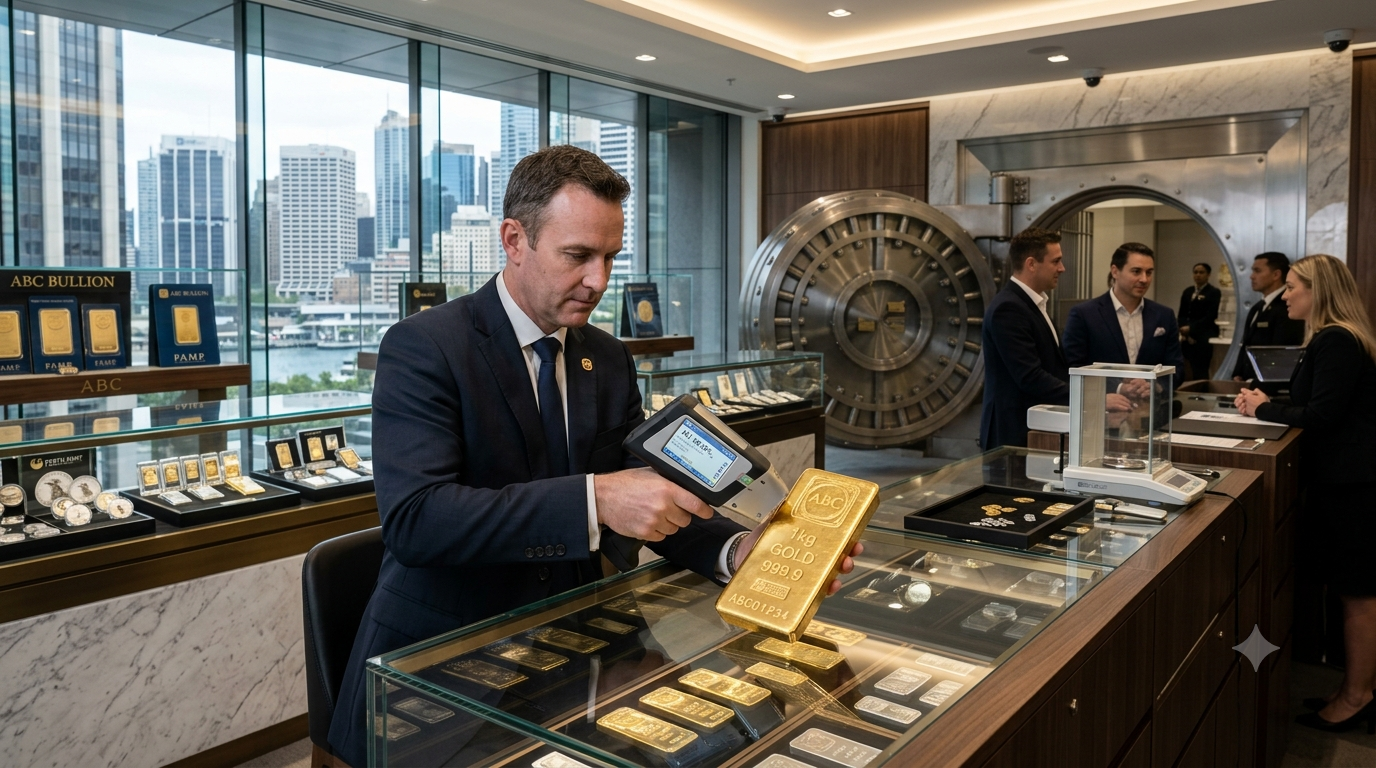
Choosing a Sydney bullion dealer comes down to trust, and trust in this trade is earned through process — how a dealer prices, tests, stores and settles a transaction, not how polished their website looks. Sydney has grown into one of the country's busiest precious metals markets, with dealers serving everyone from first-time buyers picking up a single ounce to institutions moving kilo bars. This guide walks through how that market actually works, from spot pricing to vault storage, so you know what to look for whether you're buying bullion or deciding to sell gold in Australia.
Why Physical Gold Still Matters to Sydney Investors
Gold ETFs and futures contracts let investors track the metal's price without ever touching it. Physical bullion is a different proposition entirely. When you buy an investment-grade bar or coin, you own an asset that doesn't depend on a broker staying solvent or an exchange staying open. That's the appeal for a lot of Australian buyers: it sits outside the banking system, and it's yours to hold, store, or sell on your own terms.
That doesn't make gold immune to loss. Prices move, sometimes sharply, and physical bullion carries its own costs — storage, insurance, and the spread a dealer charges to buy and sell. None of that is a reason to avoid gold; it's just the trade-off for holding a tangible asset instead of a paper claim on one.
Paper Gold vs. Bars in Hand
An ETF gives you price exposure. A bar gives you the metal itself, plus the responsibility of keeping it safe. Investors who want direct control, or who are wary of counterparty risk, tend to lean toward physical holdings. Investors who mainly want price exposure with minimal hassle often stick with paper products. Most portfolios that hold gold at all use some mix of both, depending on the investor's goals.
Sydney's Position in the Regional Market
Sydney's role as a bullion hub isn't accidental. The city has deep banking infrastructure, established freight and logistics networks, and long-standing trade relationships across Asia and the Pacific. Dealers here typically source stock directly from accredited refiners rather than through secondary channels, which matters when you're trying to verify where a bar actually came from.
What Moves the AUD Gold Price
Because Australians buy and sell in AUD, the price you're quoted reflects more than the international spot price alone. Three things typically move it:
Movements in the global US-dollar gold spot price
The AUD/USD exchange rate
Local dealer premiums, which shift with supply, demand, and operating costs
It's worth noting the exchange rate cuts both ways — a weaker Australian dollar can push local gold prices higher even when the international spot price hasn't moved at all, and a stronger dollar can do the opposite. Nobody can reliably forecast which way that goes next; it's a factor to understand, not a signal to trade on.
How Dealers Source and Price Bullion
A dealer's day-to-day business is buying stock in, pricing it against a moving market, and selling or buying it back — often within the same hour.
Where the Metal Comes From
Reputable dealers buy investment-grade bars and coins from recognised refiners and mints, including names like the Perth Mint, PAMP Suisse, Valcambi, and Metalor, alongside Australian issuers like ABC Bullion. Common products include 1 oz and 100 g gold bars, kilo bars, and equivalent silver, platinum and palladium products. Products from LBMA-accredited refiners carry recognised purity standards, which is a large part of why they trade so easily on the secondary market.
Live Pricing, Not Shelf Pricing
Unlike a retail price tag, bullion pricing moves throughout the trading day, tracking the international spot price, currency swings, and each dealer's own supply and demand. This is one reason two dealers can quote noticeably different prices for the same product at the same moment — one might be short on stock, another might be trying to clear inventory.
A Corporate Buy-Back, Step by Step
Say a small Sydney-based mining services company wants to liquidate part of a bullion reserve it's held as a treasury asset. A dealer handling that transaction typically works through a fairly consistent sequence:
Confirm ownership and supporting documentation
Authenticate each bar individually
Lock in the agreed price for a short settlement window
Arrange secure transport if the metal needs to move
Release payment once verification is complete
Retail transactions follow the same logic on a smaller scale. If you're planning to sell gold in Australia, ask upfront how the dealer handles each of those five steps — the answers tell you a lot about how the business actually operates.
Bullion Coins vs. Collector Coins
Not every gold coin is worth its weight and nothing more. Some carry a premium tied to rarity, condition, or collector demand that has little to do with the gold price on any given day.
Bullion coins are priced mainly on metal content plus a modest premium. Numismatic coins can be priced well above melt value because of limited mintage, historical significance, or exceptional condition. Grading houses like PCGS and NGC independently assess and certify coins, and a certified grade generally gives buyers more confidence — which tends to show up in the resale price.
Example: an investor holding a limited-mintage Australian Kangaroo gold coin shouldn't expect a quote based purely on weight. A dealer assessing that coin properly will look at gold content, certification, condition grade, and recent auction results for comparable pieces before making an offer. Gold buyers who skip that step and price everything by weight alone are usually leaving money on the table for the seller — or overpaying, depending on which side of the deal they're on.
Market Making, Spreads, and Liquidity
Many bullion dealers don't just match buyers with sellers — they hold their own inventory and trade against it, which is what lets them offer same-day buying and selling rather than waiting to find a counterparty.
The Bid-Ask Spread
Every dealer buys at one price and sells at a slightly higher one. That gap — the spread — covers overheads: security, insurance, staff, and margin. A tighter spread generally signals a more competitive dealer, though it's worth comparing spreads across a few dealers rather than assuming the first quote is representative.
Locking a Price
During volatile trading, most dealers will hold a quoted price for a short window — often just long enough to complete payment — so a sudden market swing doesn't undo the deal mid-transaction. The exact window varies by dealer and by how the metal is being paid for.
Storage Type
Ownership
Typical Fee Level
Best Suited To
Allocated
Specific, serial-numbered bars
Higher
Investors who want direct title to identifiable metal
Unallocated
A claim on a quantity of metal
Lower
Larger holdings where individual bar identity matters less
Verifying What You're Actually Buying
Authentication is the part of this business that separates a serious dealer from a middleman. Every bar or coin should be checked before money changes hands, on both sides of the transaction.
Testing Methods in Use
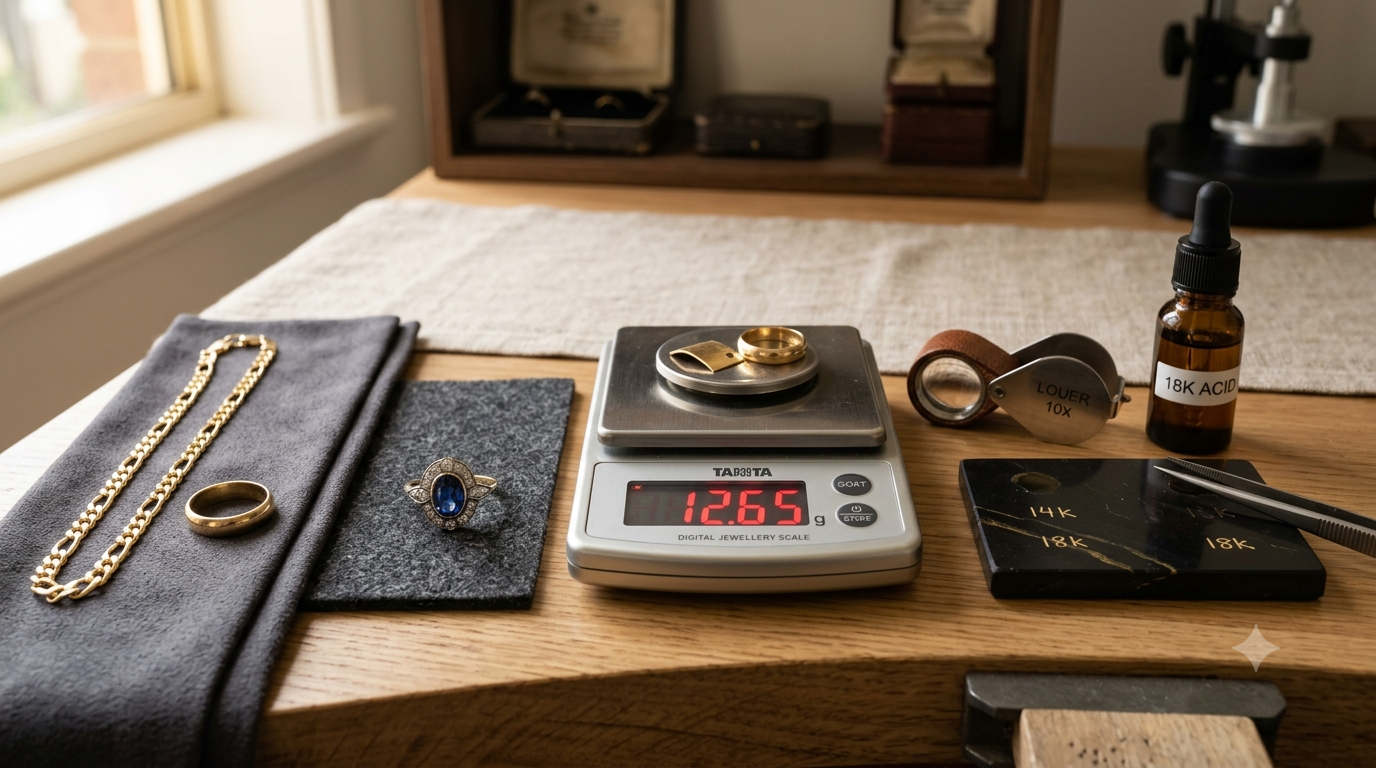
XRF analysis scans the surface elemental composition non-destructively, giving a fast read without damaging the item. Sigma Metalytics devices measure electrical resistivity to check density — useful for catching a bar with a base-metal core under a gold-plated shell, something surface XRF alone can miss. Older touchstone and acid tests are still used on scrap gold as a quick first check, though they're generally a preliminary step rather than a final word.
Chain of Custody
Purity is only part of the picture. Dealers also check mint hallmarks, serial numbers, original packaging, and assay certificates, and cross-reference these against any prior ownership records where available. A documented history matters more the larger the transaction gets.
Signs a Bar Might Not Be What It Claims
Missing or mismatched serial numbers
Engraving that looks shallow or inconsistent
Dimensions or weight slightly off spec
Damaged or missing original packaging
No assay certificate where one would normally be expected
None of these alone proves a bar is counterfeit, but any of them should prompt further testing before a deal proceeds.
Storage: Where the Metal Actually Sits
Buying bullion is only half the job — keeping it safe is the other half, and it's where a lot of first-time buyers underestimate the ongoing cost and effort involved.
On-Site and Third-Party Vaulting
Some dealers store customer holdings in their own on-site vaults under their own security arrangements. Others use independent third-party vault operators, which adds a layer of separation between the dealer and the stored metal — useful if you'd rather your holdings weren't sitting in the same building as the shopfront.
Insurance
Vaulted bullion is typically insured against theft, fire, and physical damage, though exact coverage — including whether certain natural disasters are included — depends entirely on the provider and the specific policy. Always ask to see the policy terms rather than taking "fully insured" at face value.
Getting Metal There Safely
Large commercial transactions generally move via armoured transport. Smaller retail purchases are more commonly sent by insured registered post or a tracked courier service with signature on delivery. Either way, insurance should be confirmed before the metal leaves the dealer's possession, not after.
AML/CTF Obligations
Australian bullion dealers operate under Anti-Money Laundering and Counter-Terrorism Financing rules, which generally require identity verification, customer due diligence, transaction record-keeping, and reporting of certain transactions to regulators. A dealer asking for ID on a larger purchase isn't being difficult — they're meeting a legal obligation that protects both parties.
Thinking About Timing and Strategy
None of what follows is a recommendation to buy or sell gold, or a forecast of where prices are headed — nobody can reliably predict that, and any dealer who claims otherwise should raise a flag.
Investors weighing when to buy typically keep an eye on the international gold price, interest rate settings, inflation data, the AUD/USD rate, and central bank buying activity. Because the exchange rate feeds directly into the local price, it's possible for Australian gold prices to rise even in a week where the international spot price barely moves.
Dollar cost averaging — buying a fixed amount at regular intervals — spreads purchase price risk over time and suits investors who'd rather not try to pick a single entry point. Lump sum investing gets full exposure immediately and is simpler administratively, but concentrates the timing risk into one purchase. Neither approach is inherently better; it depends on your own risk tolerance and cash flow.
Gold has historically tended to hold up reasonably well during periods of high inflation, which is why it's often discussed as a portfolio diversifier. That's a historical pattern, not a guarantee — past performance doesn't determine what happens next, and gold can and does fall in value like any other asset.
Starter Checklist Before You Buy
Write down what you're actually trying to achieve — inflation hedge, diversification, or something else
Set a firm budget before contacting any dealer
Get quotes from at least two or three dealers, not just one
Ask what premium over spot price you're being charged, in dollar terms
Confirm how the dealer authenticates its stock
Decide on storage before you buy, not after
Keep every purchase receipt and certificate
Check your holdings against the current market periodically
Diversifying Beyond Gold
Gold gets most of the attention, but silver, platinum and palladium each play a different role in a metals allocation.
Metal
Primary Demand Driver
Gold
Wealth preservation, portfolio diversification
Silver
Investment demand plus industrial use (electronics, solar)
Platinum
Industrial and automotive catalytic applications
Palladium
Automotive manufacturing
Silver in particular sits in an unusual position — it's bought as an investment metal but also consumed industrially, which means its price can move somewhat independently of gold depending on manufacturing demand.
Choosing a Dealer in NSW
The product matters, but the dealer matters just as much.
Retail storefronts let you inspect a product in person and walk out with it the same day. Online-only brokers often carry larger stock ranges and can be more price-competitive, at the cost of not seeing the item before it arrives. Plenty of investors use both, depending on the transaction size and how quickly they need to move.
Before committing to a dealer, confirm they hold a valid ABN, quote transparent pricing with no hidden loading, and have a track record you can actually verify — reviews, years trading, and a clear published buy-back policy.
Questions Worth Asking Before Your First Purchase
Are your products sourced from accredited mints or refiners?
How frequently do you update your pricing?
What authentication methods do you use on incoming stock?
What storage options are available, and what do they cost?
Is stored bullion insured, and what does the policy actually cover?
What's your buy-back process, and how is that price set?
Are there any fees that wouldn't show up in the headline quote?
A dealer who answers these clearly, without hesitation, is usually one worth doing business with.
The Bottom Line
Buying or selling through a Sydney bullion dealer comes down to the same handful of fundamentals every time: verified sourcing, live and transparent pricing, rigorous authentication, and storage you actually understand the terms of. None of that guarantees a good outcome on price — markets move, and nobody can promise otherwise — but it does mean you're dealing with someone whose process can withstand scrutiny.
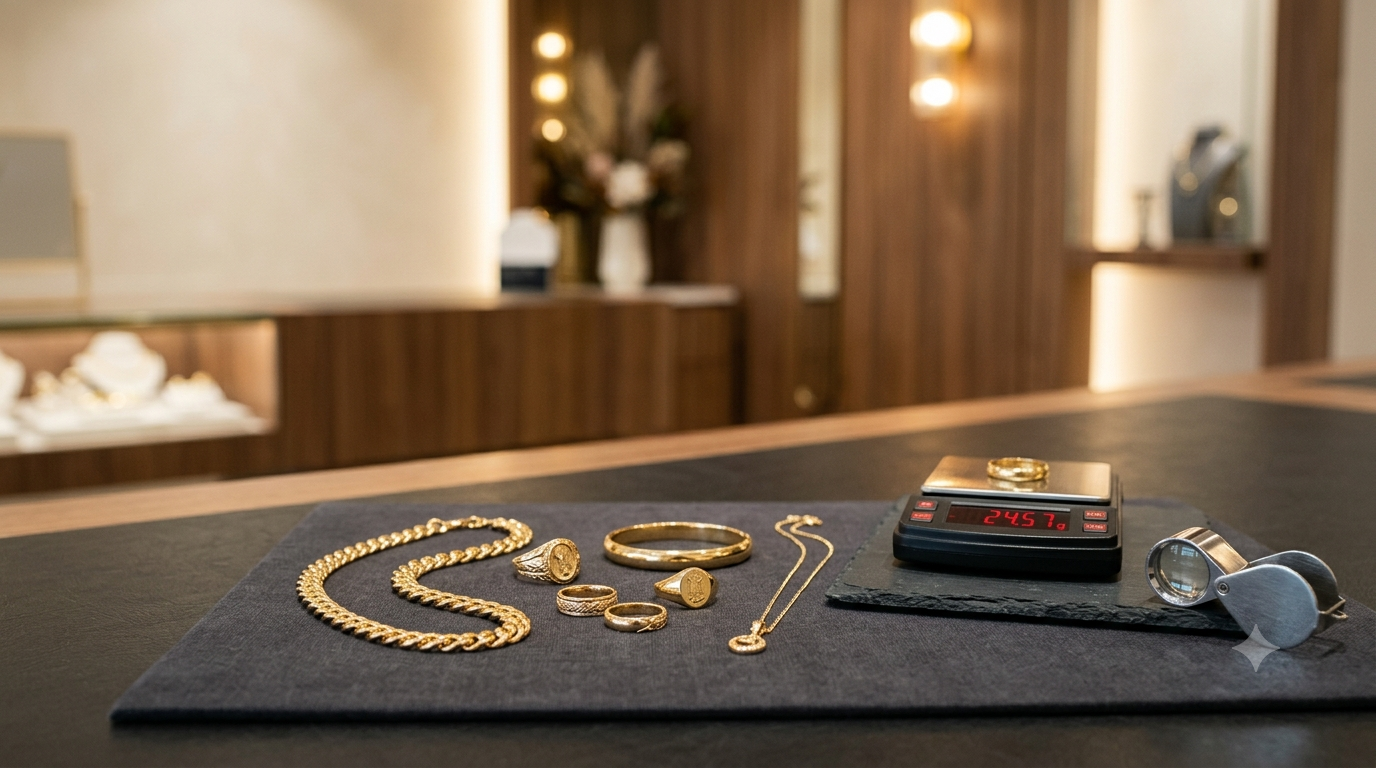
If you're ready to sell gold in Australia, whether it's investment bars or a collection of coins, experienced gold buyers should be able to walk you through exactly how they'll test, price, and settle the transaction before you hand anything over. That transparency, more than any marketing claim, is what separates a dealer worth using from one worth avoiding.
Written By
Team Times&Gold

Visit Us in Parramatta!
NO APPOINTMENTS NEEDED!
Located inside DLUX Jewellers
Opposite Commonwealth Bank