Australia's Highest Paying Gold Buyers $$$


Sell Gold Bullion in Sydney: Maximize Your Payout
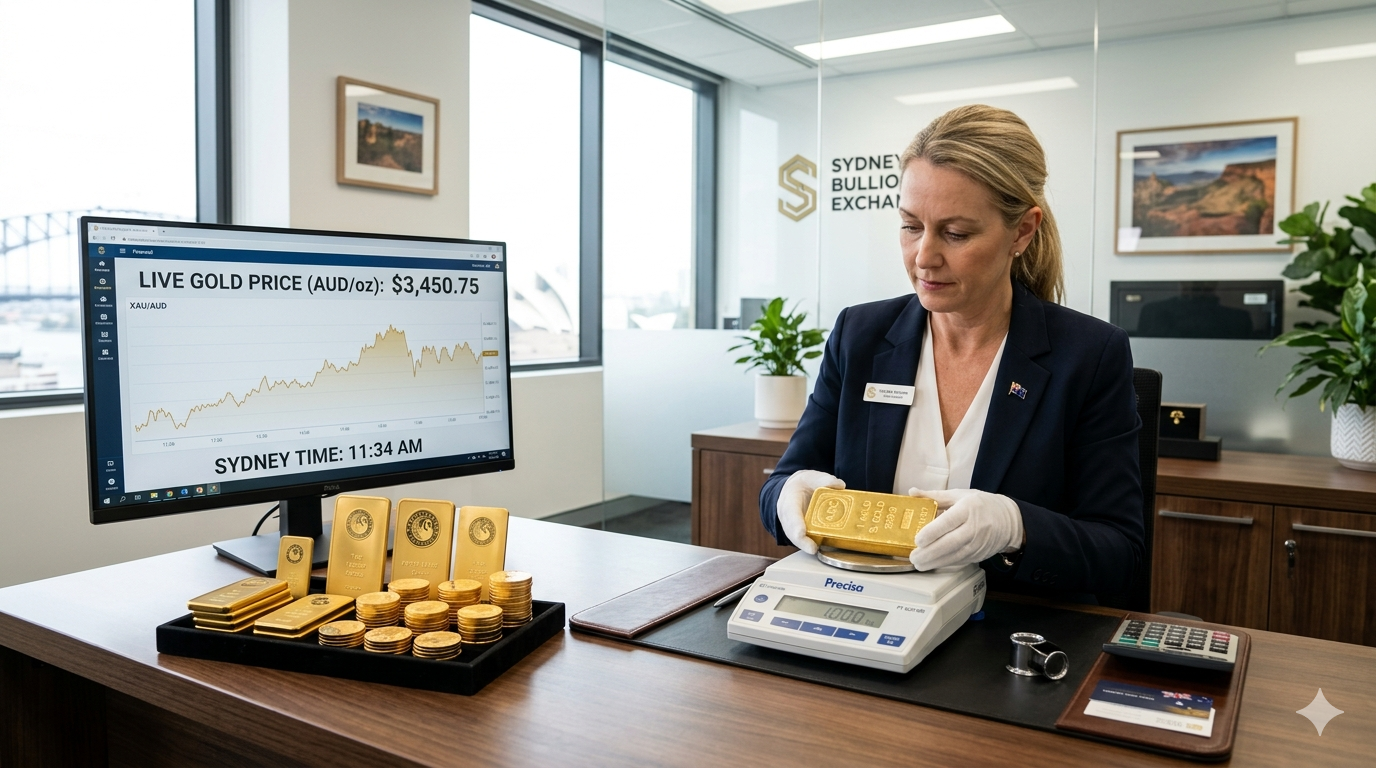
If you're planning to Sell Gold Bullion in Sydney, there's never been a more important time to understand how the market works. Gold prices in 2026 remain significantly higher than they were just a decade ago, meaning many investors and long-term holders have an opportunity to secure excellent returns. However, from our experience at Time & Gold, we've found that many people unknowingly lose hundreds—or even thousands—of dollars simply because they accept the first offer they receive or sell to buyers who aren't transparent about their pricing.
After serving Sydney customers for over 50 years, we've seen every type of gold transaction imaginable. Some customers walk in knowing the exact value of their bullion, while others aren't sure whether they own investment-grade gold or collectible coins. The biggest difference between a successful sale and a disappointing one usually comes down to preparation.
This guide explains exactly how to maximize your payout, avoid common mistakes, and choose a trustworthy gold buyer in Sydney.
Understanding Current Gold Market Value
Before selling any bullion, it's important to understand what determines its value.
How the Gold Spot Price Works
The spot price is the current international market price for one ounce of pure gold. It is updated continuously during global trading hours and is influenced by factors such as inflation, interest rates, central bank activity, currency movements, and geopolitical events.
Many sellers believe they'll receive the full spot price for their bullion, but that's not how professional gold buying works.
Here's the difference:
Spot Price: The live international value of pure gold.
Buy-Back Price: The amount a dealer offers after accounting for operational costs, testing, refining (if required), and business margins.
Reputable bullion dealers explain this pricing clearly, while less trustworthy buyers may simply quote a figure without showing how they reached it.
Why Gold Prices Change Throughout the Day
Gold is traded on international markets 24 hours a day.
Prices may rise because of:
Economic uncertainty
Inflation concerns
Falling interest rates
Global conflicts
Increased investor demand
Likewise, prices may fall if markets become more stable or investor demand weakens.
For this reason, experienced sellers always check the live gold price before requesting quotes.
What Affects How Much You'll Receive?
Not all gold is valued equally. Several factors influence your final payout.
Gold Purity
The purer the gold, the higher its intrinsic value.
Gold PurityGold Content24K99.99%22K91.67%18K75%
Investment bullion bars are typically 24-karat gold and usually achieve the strongest buy-back prices.
Weight and Bullion Type
Gold is primarily purchased by weight, but the form matters too.
Investment bars are generally straightforward to value because they're manufactured to internationally recognised standards.
Coins, however, may attract additional premiums depending on:
Limited mintages
Historical significance
Condition
Collector demand
At Time & Gold, we've occasionally seen customers surprised to discover that a rare bullion coin was worth considerably more than its melt value simply because collectors were willing to pay a premium.
Current Sydney Market Demand
Local demand also plays a role.
When refiners, investors, or bullion dealers experience increased buying activity, competition often leads to stronger offers for sellers.
This is another reason why comparing multiple quotes is worthwhile.
Tools to Track Gold Prices Before Selling
One of the simplest ways to protect yourself is by checking today's gold price before visiting a dealer.
Reliable sources include:
LBMA (London Bullion Market Association)
Kitco
Australian bullion market websites
Calculate Your Gold's Approximate Value
Before requesting quotes:
Check today's live spot price.
Convert ounces into grams if necessary.
Multiply the spot price by your bullion's weight.
Adjust for purity.
Compare dealer offers against your estimate.
Having a rough valuation makes negotiations much easier.
Comparing Sydney Gold Buyers
Choosing the right buyer often has a greater impact on your payout than timing the market.
Licensed Bullion Dealers
Professional bullion dealers remain the preferred option for most sellers.
Advantages
Competitive pricing
Transparent valuations
Secure premises
Professional testing equipment
Larger buying capacity
From our experience, customers often appreciate seeing their bullion weighed and tested in front of them. Transparency builds confidence and removes uncertainty from the selling process.
Things to Consider
Professional dealers are required to comply with Australian Anti-Money Laundering regulations.
This means you'll normally need:
Government-issued photo ID
Proof of ownership for some transactions
Identity verification
Although the process is slightly more detailed, these safeguards protect both buyers and sellers.
Cash-for-Gold Shops
Cash-for-gold outlets focus on convenience.
Pros
Fast transactions
Walk-in service
Immediate payment for smaller amounts
Cons
Unfortunately, convenience sometimes comes at a cost.
We've spoken with customers who received offers hundreds of dollars lower elsewhere before deciding to seek a second opinion.
Common reasons include:
Larger dealer margins
Processing fees
Refining deductions
Conservative pricing
Warning Signs
Be cautious if a buyer:
Refuses to explain pricing
Doesn't weigh your gold in front of you
Avoids discussing purity
Pressures you into selling immediately
Professional dealers should always be willing to explain exactly how your offer is calculated.
Private Sales and Auctions
Private sales occasionally generate excellent returns, particularly for rare collectibles.
However, they also introduce additional risks:
Counterfeit payments
Personal safety concerns
Fraud
Time-consuming negotiations
Professional verification or independent assays may also be necessary before completing the transaction.
Auctions usually make sense only for:
Rare sovereign coins
Limited-edition bullion
Historic collections
Highly sought-after numismatic pieces
For standard bullion bars, professional bullion dealers generally provide the simplest and safest experience.
How to Prepare Your Bullion Before Selling
Preparation often leads to smoother transactions and stronger buyer confidence.
Keep Your Documentation
Original paperwork demonstrates authenticity and ownership.
Useful documents include:
Purchase invoices
Certificates of authenticity
Original packaging
Serial numbers
At Time & Gold, we've found that complete documentation often speeds up the valuation process because authenticity can be confirmed more quickly.
Australian regulations also require photo identification for many precious metal transactions.
Keeping digital copies of important documents is another smart precaution.
Don't Polish Your Coins
This is one of the biggest mistakes sellers make.
Many people assume cleaning improves appearance.
In reality, polishing collectible coins may reduce their value because collectors often prefer untouched original surfaces.
If you're unsure, leave the bullion exactly as it is.
Professional buyers have specialised equipment for assessing condition without unnecessary cleaning.
Professional Assays
When dealing with high-value bullion, professional assays confirm:
Purity
Weight
Authenticity
In one case we've encountered, a professionally graded investment coin received approximately 15% more than an identical ungraded example because buyers had complete confidence in its certification.
Organise Your Collection
Before your appointment:
Separate gold by purity.
Group bars together.
Organise collectible coins separately.
Prepare an inventory.
Record serial numbers.
This saves time and allows buyers to provide more accurate quotations.
Red Flags to Avoid
Hidden Fees
Some buyers advertise attractive prices but later introduce deductions.
Watch for:
Administration fees
Refining charges
Processing costs
Commission deductions
Always ask:
Is this the final amount I'll receive?
Are there any additional fees?
Is today's spot price being used?
Transparent businesses answer these questions without hesitation.
Pressure Selling
One tactic we've heard customers mention is being told:
"You need to sell immediately before prices fall."
While gold prices do fluctuate, reputable buyers won't pressure you into making rushed decisions.
Take your time.
Compare at least three independent quotes.
The strongest offer often isn't the first one.
Unverified Buyers
Before selling valuable bullion, research the business.
Check:
Australian Business Number (ABN)
Business history
Google reviews
Years in operation
Avoid meeting unknown buyers at private homes, especially when selling large quantities of bullion.
Professional premises offer significantly greater security.
Final Steps Before Completing the Sale
Negotiate Confidently
Negotiation is perfectly acceptable.
If another dealer provides a better written offer, mention it politely.
Many reputable bullion buyers are willing to review competitor quotes.
Rare coins may also qualify for additional premiums beyond their gold content.
If a buyer refuses to explain pricing or pressures you into accepting a low offer, don't be afraid to walk away.
Choose a Secure Payment Method
For larger transactions, bank transfers are generally the safest option.
Benefits include:
Secure payment records
Reduced theft risk
Easier verification
Cash may still be suitable for smaller sales, but always understand any reporting requirements that apply.
Before leaving:
Confirm payment has cleared.
Check your receipt.
Verify the transaction amount.
Never hand over your bullion until payment arrangements are fully confirmed.
Final Checklist Before You Sell
Before visiting a dealer, make sure you have:
✅ Government-issued photo ID
✅ Gold bullion bars or coins
✅ Purchase invoice or certificate (if available)
✅ Current spot price information
✅ Multiple written quotes
✅ Inventory list
✅ Secure transportation for your bullion
Conclusion
Successfully selling gold isn't simply about finding today's highest price—it's about choosing a buyer you can trust.
At Time & Gold, we've spent more than five decades helping Sydney customers understand the true value of their gold. One lesson remains consistent: informed sellers almost always achieve better results than those who rush into a sale.
The best approach is simple:
Research today's live spot price.
Compare multiple reputable Sydney buyers.
Verify credentials, pricing methods, and payment processes before agreeing to sell.
With gold prices remaining historically strong in June 2026, now could be an excellent opportunity to review your holdings. Before making any decision, check today's spot price, gather your documentation, and request transparent quotes from experienced professionals.
Whether you're selling a single investment bar or an entire bullion collection, taking a little extra time can make a significant difference to your final payout when you Sell Gold Bullion in Sydney.
Written By
Team Times&Gold
Journal Insights

Visit Us in Parramatta!
NO APPOINTMENTS NEEDED!
Located inside DLUX Jewellers
Opposite Commonwealth Bank