Australia's Highest Paying Gold Buyers $$$


Sell Gold Jewellery vs Gold Coins in Sydney: Which Nets the Highest Return?
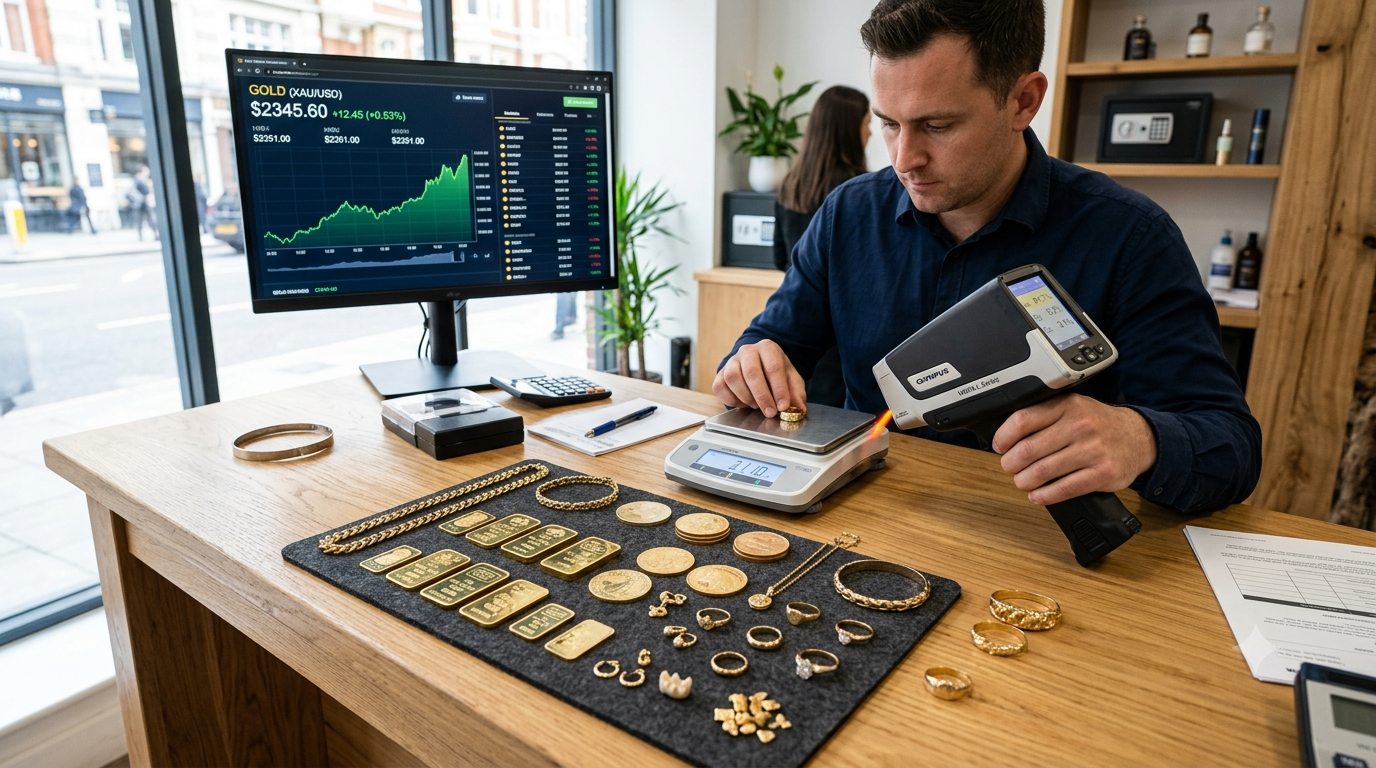
If you're planning to sell gold jewellery in Sydney, you've probably asked yourself one question: will you get more money for jewellery, or for gold coins? It's one of the most common questions we hear at our Parramatta showroom, and the honest answer often surprises people.
Many sellers assume jewellery is worth more because it cost more at the store. In practice, the opposite is usually true. What you paid at checkout and what a buyer pays you back are two very different numbers, and understanding why can be the difference between walking away happy or walking away short-changed.
Gold buyers don't pay for the story behind your piece. They pay for the amount of pure gold it contains, based on the current market price, the item's weight, its purity, and demand. In most cases, gold coins return more money than jewellery of the same weight, because they contain more pure gold and cost less to process.
In this guide, we'll walk through exactly how gold jewellery and gold coins are valued in Australia, what a real Sydney buyer looks at when pricing your item, and how to make sure you get the highest return whichever you choose to sell.
Why This Question Matters More If You're Selling in Sydney
Australia has one of the largest gold markets in the world, and Sydney has no shortage of places offering to buy your gold. That's good news for sellers, but it also means prices, honesty, and testing standards vary a lot between buyers. A pawn shop in the CBD, a jewellery store in the suburbs, and a specialist gold buyer in Parramatta can all quote very different prices for the exact same ring.
Knowing how purity and gold type affect your payout puts you in a much stronger position before you walk through any door. It also helps you spot a lowball offer immediately, instead of finding out later that you left money on the table.
Stop Losing Money on Gold Sales
Selling gold without understanding how it's valued can cost you hundreds, sometimes thousands, of dollars. Many sellers expect something close to the original purchase price. That almost never happens, and it's not because a buyer is trying to shortchange you. It's because the original price included a lot more than gold.
Jewellery includes extra costs such as:
Design
Craftsmanship
Brand name
Retail markup
Packaging
None of that comes back when you sell. A gold buyer pays for the gold content, not the shopping experience you had when you bought it.
Gold coins are different. Their value is based almost entirely on the gold they contain, which makes pricing far simpler, more transparent, and usually more rewarding for the seller.
How Purity Dictates Your Payout
Purity is the single biggest factor in what you'll be paid, and it's the first thing any reputable buyer checks.
The Karat Gap
Gold jewellery comes in different purity levels. The higher the number, the more pure gold is actually inside the piece.
Gold Type
Gold Content
24K
99.9% pure gold
22K
91.6% pure gold
18K
75% pure gold
14K
58.5% pure gold
10K / 9K
37.5%–41.7% pure gold
Most investment-grade gold coins are struck in 24K (.999 or .9999 fine gold). Because they're almost pure gold, they're priced very close to the daily market rate. A 14K ring, by comparison, contains much less actual gold than a 24K coin of the same weight, so the payout is naturally lower.
What About Gold-Plated Jewellery?
We're asked about gold-plated pieces almost every week. Unfortunately, gold-plated items only carry a very thin layer of gold over another base metal. There's so little actual gold present that these pieces usually have little to no resale value. The same applies to gold-filled jewellery, gold-tone fashion pieces, and gold-coated accessories.
Always check for a purity stamp (like "9K," "18K," "375," or "750") before assuming an item is solid gold. If you're unsure, a reputable buyer can test it for you in seconds, at no cost, before you commit to anything.
The Impact of Alloys
Pure gold is soft, so manufacturers mix it with metals like copper, silver, nickel, or zinc to make jewellery durable enough to wear every day. That's great for strength, but it reduces the amount of pure gold in the piece. When a buyer refines jewellery, they separate the gold from the other metals and pay you only for what's recoverable. That's why lower-karat jewellery consistently returns a lower price than high-purity coins.
Example: Imagine two items, each weighing exactly 20 grams.
Item One: A 20g 14K wedding band — pure gold content is roughly 11.7 grams.
Item Two: A 20g .999 fine gold coin — pure gold content is roughly 20 grams.
Even though both weigh the same, the coin contains nearly double the actual gold. It will almost always sell for significantly more.
What Is Your Gold Actually Worth? (A Real Sydney Example)
Here's the formula every gold buyer in Australia uses, whether they say it out loud or not:
Weight (grams) × Purity (%) × Current Spot Price per Gram = Approximate Gold Value
Gold prices move daily, so the exact number will differ depending on when you check, but here's how it plays out using an illustrative recent AUD spot price of roughly $190 per gram for 24K gold:
24K (.999): ~$190/gram
22K: ~$174/gram
18K: ~$142/gram
9K: ~$71/gram
So a 10-gram 9K bracelet might contain roughly $710 worth of raw gold, before a buyer's margin is applied, while a 10-gram 24K coin might contain closer to $1,900 worth. That gap is purely about purity, not the quality of the item itself.
Because gold prices change throughout the day, it's worth checking a live, regularly-updated rate before you sell. You can see current gold and silver payout rates on the Time & Gold homepage, updated directly against the global spot market.
Hidden Costs and Price Premiums
Many sellers feel disappointed when they discover their jewellery is worth far less than what they originally paid. It's not a scam, it's simply how retail pricing works.
The Manufacturing Markup
When you buy jewellery, you're paying for a lot more than the gold itself. The final retail price typically includes design, skilled labour, polishing, store overheads, marketing, packaging, and the retailer's profit margin. When you sell, none of that comes back, because a buyer is only paying for the gold that can be recovered.
Example: You purchase a gold necklace for $2,000. The gold inside it might only be worth around $600 at melt value. The remaining $1,400 covered manufacturing, retail markup, and brand profit. Years later, when you go to sell that necklace, the buyer calculates only the $600 in gold value. This catches a lot of first-time sellers off guard, which is exactly why we always explain the breakdown before making an offer, not after.
Can Designer Jewellery Be Worth More?
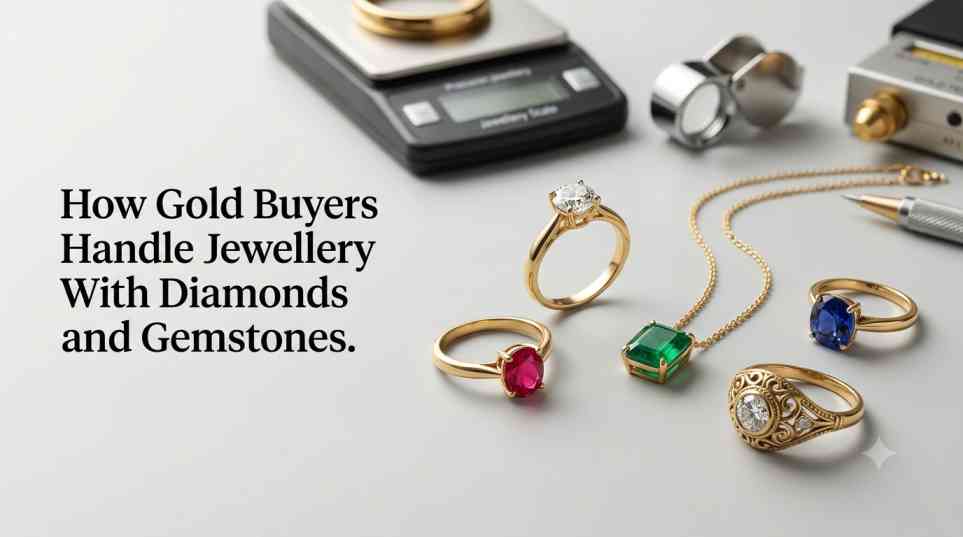
Sometimes, yes. Luxury brands like Cartier, Tiffany & Co., and Van Cleef & Arpels can hold resale value well above melt price, particularly if the piece is authentic, in excellent condition, and comes with original packaging or certificates. Collectors will pay a premium for the brand, not just the gold.
The same logic applies to luxury watches. A gold Rolex or Cartier watch is rarely valued on gold content alone. Its brand, movement, and condition matter enormously, which is why specialist buyers assess luxury watches separately from standard gold jewellery. Outside of well-known luxury brands, though, most everyday jewellery is purchased purely for its gold content, so don't expect a premium on a mass-produced chain or ring.
Numismatic vs. Bullion Value
Not every gold coin is priced the same way, and understanding the difference can genuinely change how much you walk away with.
The Coin Premium
Bullion coins are produced mainly for investment, and their value tracks the daily gold spot price closely. Popular bullion coins in the Australian market include the Perth Mint's Australian Kangaroo, alongside the Canadian Maple Leaf, American Gold Eagle, and South African Krugerrand. Because their purity and weight are guaranteed by the mint, buyers can price them quickly and confidently, which makes them some of the easiest gold items to sell.
Rare or collectible coins are a different story entirely. Collectors pay for rarity, age, historical significance, and limited mintage, sometimes pushing the price to several times the coin's raw gold value. If you've inherited old or unusual coins, it's worth getting them checked by someone who understands both bullion and numismatic value, rather than assuming they're only worth melt price.
Why Spot Price Matters More for Coins
Gold coins track the live market price very closely. When the gold price rises, your bullion coin's value typically rises with it, almost in real time. Jewellery doesn't move quite as predictably, because buyers also have to factor in refining costs, purity testing, wear, and any damage or repairs needed. As a result, coins generally offer a more transparent, more predictable selling price than jewellery.
Why Investors Prefer Gold Coins
Investors gravitate toward coins for good reason: high purity, easy storage, easy transport, global recognition, fast resale, and reliable pricing. A professional buyer knows exactly what a Perth Mint Kangaroo or American Eagle contains without needing to test it extensively, which makes the transaction faster than valuing mixed-karat jewellery. For anyone holding gold purely as an investment, coins tend to offer stronger long-term liquidity and flexibility than jewellery does.
Selling Broken, Scrap, or Unhallmarked Gold Jewellery
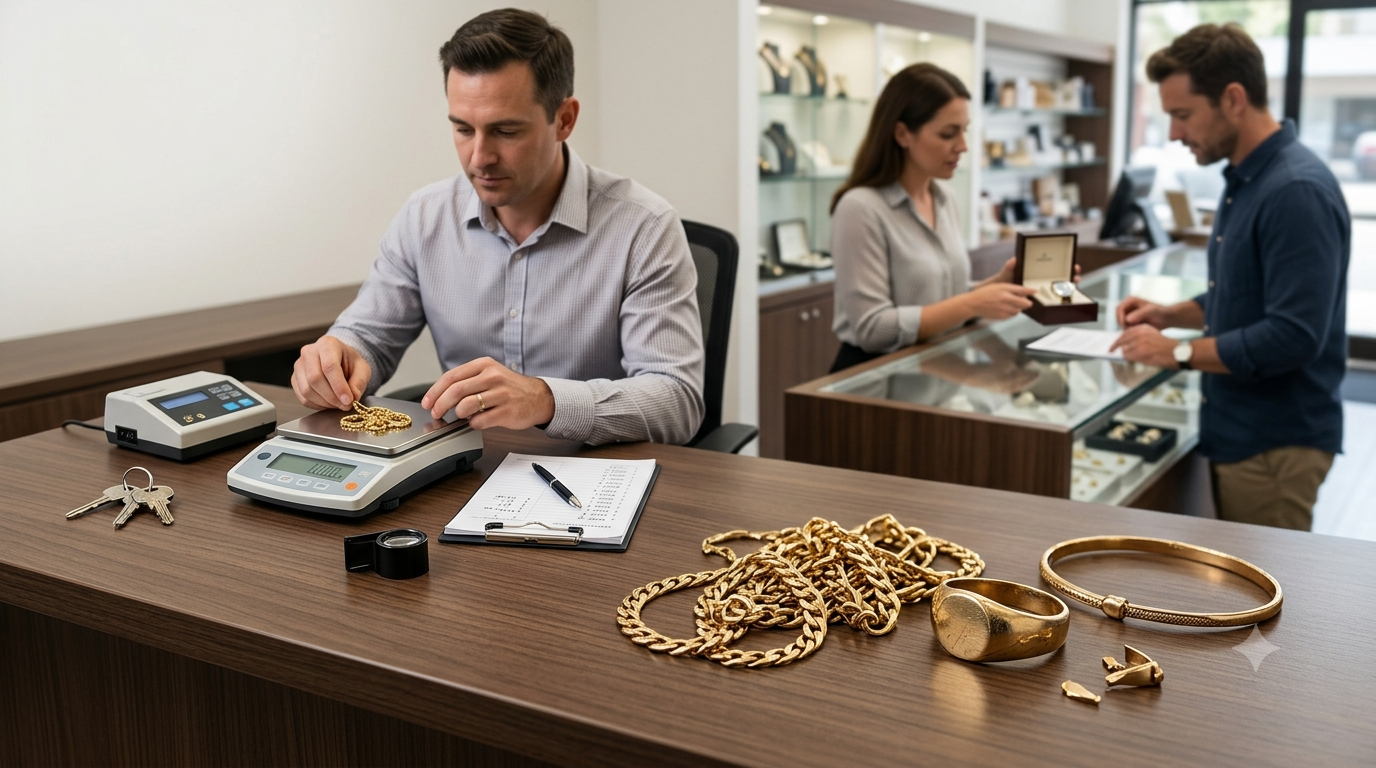
A lot of people searching for how to sell gold jewellery aren't holding a pristine piece; they've got a broken chain, a single earring, an old ring with a missing stone, or an item with no visible hallmark at all. This is completely normal, and it doesn't mean your item has no value.
Reputable buyers purchase gold "no matter the condition," including broken, old, scrap, or unhallmarked pieces. If there's no visible stamp, an XRF scanner or acid test can identify the purity in minutes, so you're not left guessing. Damage, missing stones, or a snapped clasp generally don't reduce your payout, since the gold itself is unaffected; you're still paid based on the weight and purity of the metal, not the item's cosmetic condition.
If you've been holding onto broken jewellery because you assumed it was worthless, it's worth getting it weighed and tested before you decide.
Where and How to Sell for Maximum Profit
Choosing the right buyer matters just as much as knowing what you're selling. The same item can attract very different offers depending on who you take it to.
What a Professional Buyer Actually Checks
A professional gold buyer will typically calculate your payout using the current gold spot price, the weight of your item, its purity, refining costs, and current market demand. After weighing these factors, they'll make you a buy-back offer. As a rough guide, well-priced bullion coins often trade close to spot price, while jewellery buy-back offers are usually lower once refining and processing costs are factored in. Because these percentages vary between buyers, it's always worth comparing more than one offer before deciding.
Pawn Shops vs. Specialist Gold Buyers
Not all buyers offer the same value, and it helps to understand why.
Pawn shops often provide quick cash, but tend to offer lower prices because they need margin room to resell items rather than refine gold. Their core business isn't gold, it's short-term lending and general resale.
Specialist gold buyers usually have deeper knowledge of the gold market, use professional testing equipment like XRF scanners, and tend to offer prices closer to true market value. Some, like Time & Gold, will guarantee to beat any written competitor quote and pay via cash or instant bank transfer on the spot.
If your goal is the highest possible return, a specialist buyer is generally the better choice over a general pawn shop.
Check the Daily Spot Price First
Before visiting any buyer, check the current gold spot price online. Knowing the market rate helps you understand roughly what your item should be worth, compare offers with confidence, and avoid accepting a lowball number simply because you didn't have a benchmark.
Authentication and Testing
Professional buyers test gold before making an offer, and you should expect this every time. It protects both sides of the transaction.
Common Gold Testing Methods
XRF Scanner: An X-ray fluorescence scanner checks gold content without damaging the item, giving accurate purity results in seconds. At Time & Gold's Parramatta showroom, every item is tested and weighed in front of the customer using this method, so you can see exactly how your quote is calculated rather than taking someone's word for it.
Acid Test: A small amount of testing acid is applied to determine purity. It's an older method, still used by many buyers, and reliable when done correctly.
Electronic Gold Tester: Some buyers use electronic devices as an additional check to confirm purity readings.
Watching your item tested in front of you, rather than "out the back," is one of the clearest signs you're dealing with a transparent buyer.
Why Certified Coins Sell Faster
Coins with certificates or original mint packaging tend to sell faster because a buyer's confidence in the weight, purity, and authenticity is already established. Jewellery, by contrast, almost always requires fresh testing before an offer can be made.
Documents You Should Bring
To make the process smoother, bring a government-issued photo ID, a purchase receipt if you have one, a certificate of authenticity for coins, and original box or packaging if available. Receipts aren't always required, but they can speed up the process and boost buyer confidence.
Common Gold-Selling Mistakes and Scams to Avoid
Most gold buyers are honest, but it's still worth knowing the warning signs of a bad deal:
No testing in front of you. If a buyer disappears with your item to "test it out the back," ask why. Legitimate buyers test openly.
Vague pricing. If a buyer won't explain how they calculated your offer (weight, purity, spot price), that's a red flag.
Pressure to decide immediately. A fair offer doesn't need to expire in the next five minutes. You should always feel free to compare it elsewhere.
No ID or paperwork requested at all. Reputable buyers in NSW are required to sight photo ID as part of standard second-hand dealer regulations; a buyer skipping this step entirely is unusual.
Prices that seem too good to be true. If one offer is dramatically higher than every other quote you've received, get the item weighed independently before accepting.
Do I Need ID or Pay Tax to Sell Gold in Australia?
Two questions come up constantly, so it's worth answering them directly.
Do I need ID? Yes. Licensed second-hand dealers in NSW, including gold buyers, are generally required to sight a valid government-issued photo ID as part of standard second-hand dealer regulations. This protects both buyers and sellers and helps prevent the sale of stolen goods.
Do I pay tax when I sell gold? For most everyday sellers offloading personal jewellery or a small coin collection, selling gold is not something you need to declare, since it's typically treated as a personal-use asset rather than income. However, tax treatment can depend on your specific circumstances, particularly if you're selling gold as an investment or in large volumes. If you're unsure, it's worth checking the Australian Taxation Office guidance or speaking with an accountant, since this article isn't financial or tax advice.
Comparing Long-Term Value Retention
Gold jewellery and gold coins both hold value, but they behave differently over time.
Jewellery as a Wearable Asset
Jewellery is designed to be worn and enjoyed. It carries personal meaning, emotional memories, fashion appeal, and gift value that a coin simply doesn't offer. But daily wear can affect resale value over the years, through small scratches, bent clasps, missing stones, or a slow, almost invisible loss of gold from repeated polishing.
Example: A gold chain bought ten years ago might still look great, but a decade of wear and cleaning can very slightly reduce its actual weight. Since buyers pay based on weight and purity, even a small loss can shave a little off your final payout.
Coins as a Pure Investment
Gold coins are bought almost exclusively as an investment, and most owners store them carefully in protective cases, so they tend to stay in excellent condition. That means high purity, easy storage, low maintenance, worldwide recognition, quick resale, and strong ongoing demand. Investors often prefer coins specifically because they're portable and easy to sell almost anywhere, with a small collection able to hold significant value in very little space.
Don't Forget Silver and Watches
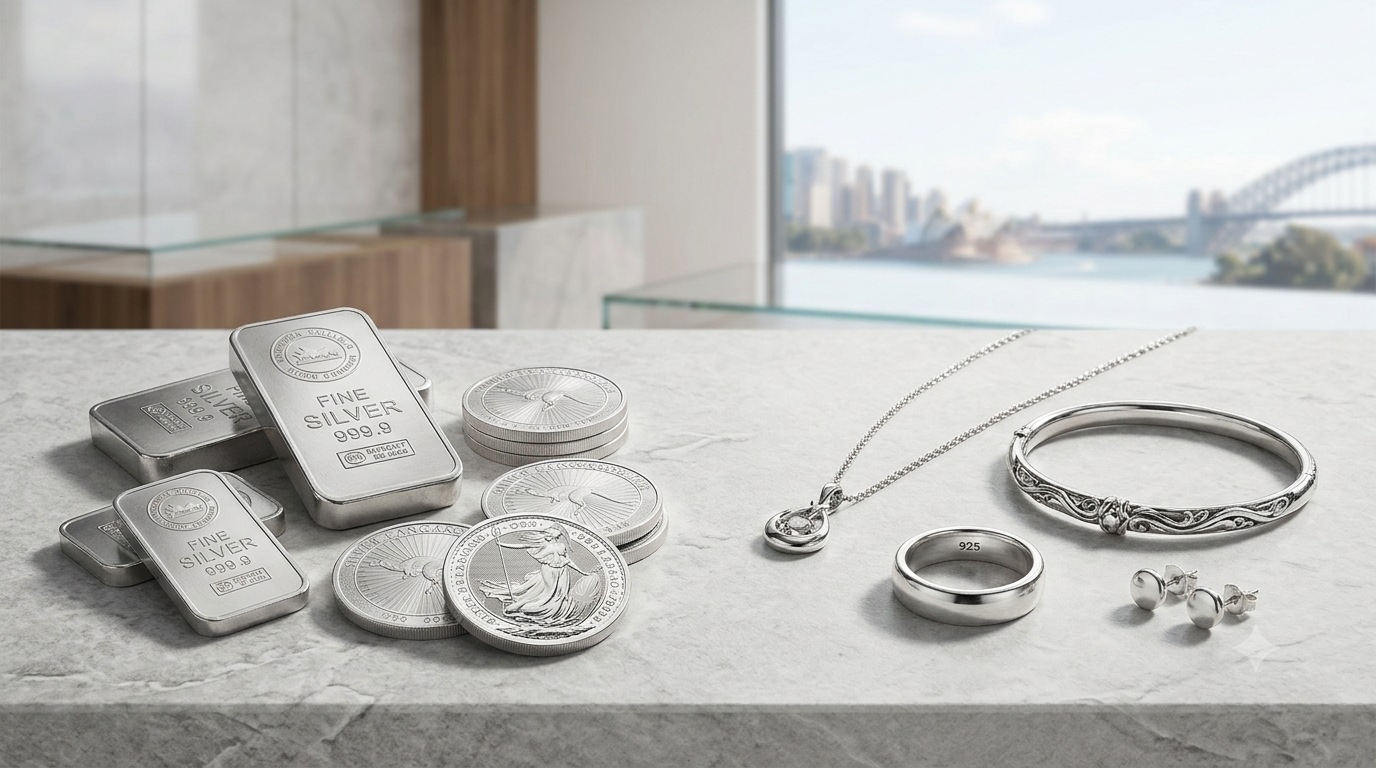
Gold isn't the only precious item worth checking before you assume something has no resale value. Many Sydney households also have silver cutlery, coins, or jewellery sitting unused, and silver bullion and silverware can be valued using the same weight-and-purity approach as gold. Similarly, if you own a luxury watch, particularly a gold or precious-metal model from a recognised brand, it's worth having it valued separately, since brand and craftsmanship can matter as much as the metal itself.
Gold Coins vs Gold Jewellery Comparison
Feature
Gold Jewellery
Gold Coins
Purity
Usually 9K–22K
Usually 24K (.999 or higher)
Resale Value
Based mainly on gold content
Closely follows spot price
Manufacturing Costs
High
Low
Liquidity
Moderate
Very high
Testing Required
Usually yes
Often minimal
Collector Value
Only for luxury brands
Some rare coins have high collector value
Best For
Personal use and fashion
Investment and wealth storage
Final Verdict on Gold Profits
For most sellers, gold coins provide the highest return. They contain more pure gold, cost less to process, and are easier to sell, with pricing that closely tracks the market. Gold jewellery can still bring excellent returns in the right circumstances, particularly if it's a designer piece from a recognised luxury brand in excellent condition, but everyday jewellery is generally valued for its gold content alone.
If you're not sure what category your item falls into, the fastest way to find out is to have it properly weighed and tested rather than guessing.
Final Checklist Before You Sell
Check today's gold spot price before you go anywhere.
Know your item's purity (9K, 14K, 18K, 22K, or 24K).
Weigh your gold if you can, even roughly.
Gather receipts and certificates if you have them.
Bring a valid government-issued photo ID.
Compare offers from more than one trusted buyer.
Ask exactly how the buyer calculated your payout.
Watch your item being tested; don't accept an offer made "out the back."
Avoid accepting the very first offer without comparing.
Choose a buyer with transparent, live pricing and a track record of good reviews.
Frequently Asked Questions
Is it better to sell gold jewellery or gold coins? Gold coins usually return more money because they contain more pure gold and closely follow the current market price. Designer jewellery from luxury brands is the main exception, since it can sell above melt value.
Why do gold buyers pay less than the original jewellery price? The original price included labour, design, branding, and retail markup. A buyer only pays for the recoverable gold content, not the retail experience.
Do gold-plated items have any resale value? Usually very little, since they only contain a thin layer of gold over another metal, with almost no pure gold to recover.
Should I clean my gold before selling it? A gentle clean can help, but avoid harsh chemicals or aggressive polishing, which can damage the item or wear away small amounts of gold.
Do I need ID to sell gold in Sydney? Yes. Licensed second-hand dealers are generally required to sight valid photo ID before purchasing gold, silver, or jewellery.
Is selling gold jewellery taxable in Australia? For most personal sellers, occasional gold sales are treated as a personal-use asset rather than taxable income, but this can vary. Check with the ATO or an accountant if you're unsure, especially for larger or investment-related sales.
Can I sell broken or unhallmarked gold jewellery? Yes. Reputable buyers purchase gold in any condition, including broken, scrap, or unstamped pieces, since testing can confirm purity even without a visible hallmark.
How can I get the highest price for my gold in Sydney? Check the daily spot price, know your purity, compare more than one buyer, and choose a buyer who tests openly, prices transparently, and has a strong local reputation.
Selling Gold in Parramatta and Across Sydney
If you're in Parramatta or anywhere across Sydney and want a clear, no-pressure valuation, Time & Gold tests and weighs every item in front of you, prices against live spot rates, and pays cash or instant bank transfer on the spot, no appointment needed.
You'll find the showroom inside DLUX Jewellers at 260 Church St, Parramatta NSW 2150, directly opposite the Commonwealth Bank, open Monday to Saturday, 9:30am–4:30pm. The team buys gold and silver jewellery, coins and bars, and luxury watches, in any condition, and offers a guarantee to beat any written competitor quote. With 150+ five-star Google reviews from customers across Western Sydney, it's worth comparing your item against a live quote before deciding where to sell.
Call (02) 9687 5349 for an instant over-the-phone estimate, or get in touch here to start the process.
Conclusion
Whether you decide to sell gold jewellery or gold coins, understanding how a buyer actually calculates value puts you in control of the outcome. In most cases, coins offer the stronger return thanks to their high purity and close relationship with the live spot price, while jewellery often loses the manufacturing and retail markup that was baked into its original price, unless it carries genuine designer or luxury brand value.
Before you sell, check the current gold price, confirm your item's purity, and compare offers from more than one reputable buyer. A little preparation, and a buyer willing to test everything in front of you, is usually all it takes to walk away with a fair, confident result.
Written By
Team Times&Gold
Journal Insights
Visit Us in Parramatta!
NO APPOINTMENTS NEEDED!
Located inside DLUX Jewellers
Opposite Commonwealth Bank