Australia's Highest Paying Gold Buyers $$$


Why Rare Gold Coins Sell for More Than Their Melt Value | Expert Guide to Coin Value
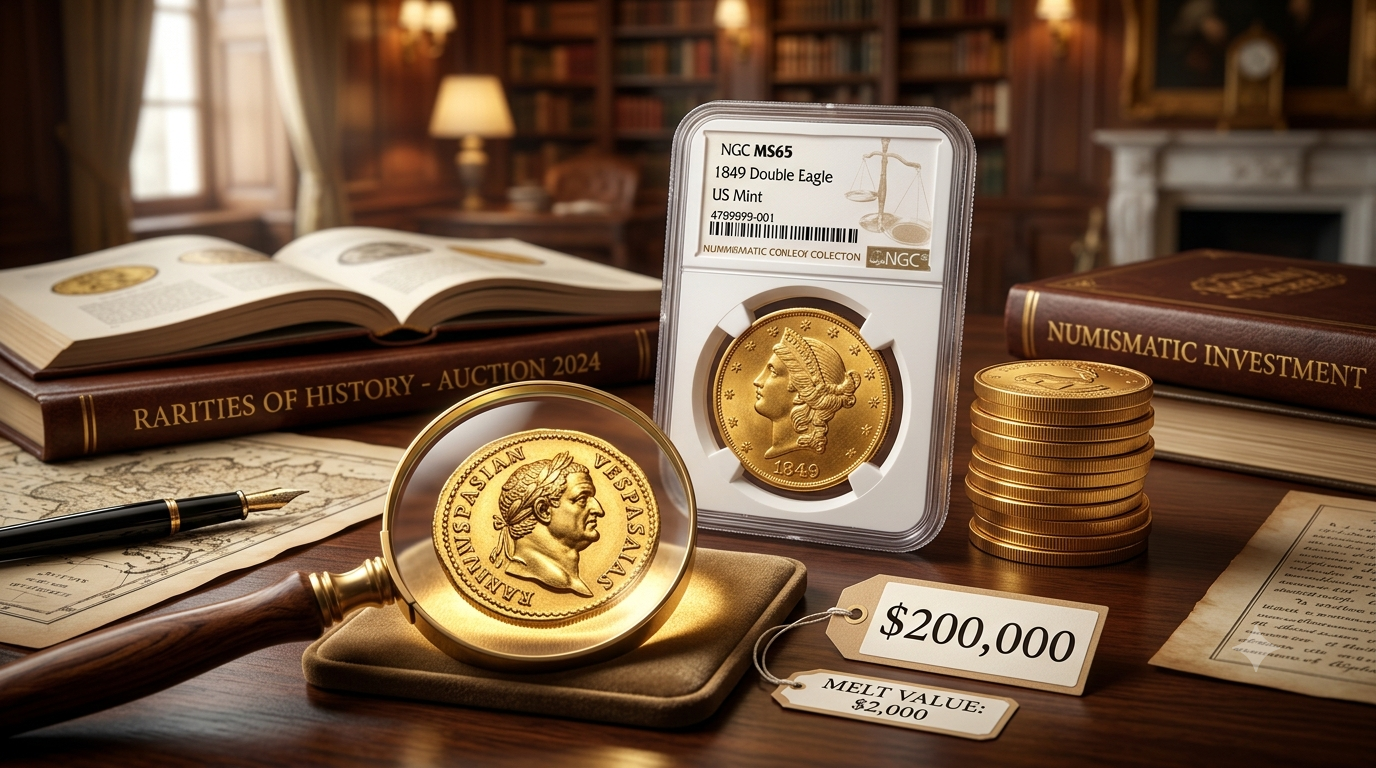
Imagine owning a gold coin that contains only $2,000 worth of gold, yet collectors are willing to pay $200,000 for it. This happens more often than many people realize. People looking to sell gold coin collections are often surprised to discover that the value of a rare coin can be far higher than its gold content alone.
The reason is simple: collectors do not just buy gold. They buy rarity, history, condition, and prestige. While the gold inside a coin determines its melt value, the coin's numismatic value can increase its market price dramatically.
In this guide, we will explain why rare gold coins sell for more than their melt value and what factors create these impressive premiums.
The Gap Between Gold Weight and Market Price
What Is Melt Value?
Melt value is the value of the precious metal contained within a coin. It is calculated using the current market price of gold and the amount of gold present in the coin.
For example, if a coin contains one ounce of gold and the gold spot price is $2,000 per ounce, its melt value is $2,000.
What Is Numismatic Value?
Numismatic value is the additional amount collectors are willing to pay because of a coin's rarity, condition, historical significance, and demand.
A rare coin may contain only $2,000 worth of gold but sell for tens or even hundreds of thousands of dollars because collectors see it as a unique piece of history.
This difference between melt value and numismatic value is why some rare gold coins command extraordinary prices at auctions and private sales.
Why Collectors Pay a Premium
Collectors are often searching for coins that complete a collection or represent an important period in history. Since some coins are extremely difficult to find, buyers are willing to pay much more than the metal value.
The combination of rarity, demand, and emotional appeal creates a premium that can far exceed the value of the gold itself.
Scarcity and Survival Rates
Mintage Numbers and Low Supply
One of the most important factors affecting a coin's value is its mintage.
Mintage refers to the number of coins originally produced by a mint. Generally, coins with lower mintages are more difficult to find and therefore more valuable.
However, mintage alone does not tell the whole story.
Low Mintage vs. Surviving Population
Many people assume a coin with a low mintage is automatically rare. In reality, the number of surviving examples matters even more.
A coin may have had a mintage of 100,000 pieces, but if only a few hundred remain today, it becomes highly desirable.
On the other hand, a coin with a low original mintage may not be rare if most examples still survive.
Collectors and investors carefully study population reports to understand true rarity.
The 1933 Double Eagle
The 1933 Double Eagle is one of the most famous rare gold coins in the world.
Most examples were melted after government actions during the Great Depression. Only a handful survived, making the coin one of the rarest and most valuable pieces ever produced.
Its enormous value comes from scarcity and historical significance rather than gold content.
Historical Attrition and Lost Hoards
Over centuries, many coins disappear due to:
Melting for bullion
Government recalls
Everyday wear and damage
Accidental loss
Recycling of precious metals
Experts believe a large percentage of early gold coins have been permanently lost.
Occasionally, hidden coin hoards are discovered. These finds can influence prices by increasing available supply or generating renewed interest among collectors.
The Role of Grade and Condition
The Precision of Third-Party Grading
Condition is one of the biggest factors affecting a coin's market value.
Professional grading services use the Sheldon Scale, which ranges from 1 to 70.
Grade 1 = Poor condition
Grade 70 = Perfect condition
Even a small increase in grade can result in a significant increase in value.
Why Mint State Coins Earn Huge Premiums
Mint State coins have never entered circulation and show little or no wear.
Collectors strongly prefer these coins because they closely resemble their original appearance when first struck.
As a result, Mint State examples often sell for many times the price of circulated versions.
The Importance of Certification
Professional grading companies such as PCGS and NGC provide authentication and grading services.
Certified coins offer buyers confidence regarding authenticity and condition.
This trust often translates into higher prices in the marketplace.
Eye Appeal and Toning
Technical grade is important, but visual appeal also matters.
Over time, natural oxidation can create beautiful rainbow-like colors known as toning. Attractive toning can significantly increase a coin's desirability.
Collectors also value original mint luster because it reflects the coin's untouched condition.
Why Cleaning a Coin Can Destroy Value
Many new collectors make the mistake of cleaning old coins.
Unfortunately, cleaning often damages the surface and removes original characteristics that collectors value.
Even a rare coin can lose a large portion of its market value after improper cleaning.
For this reason, experts generally recommend leaving rare coins exactly as they are.
Historical Significance and Provenance
Connections to Famous Figures and Events
History can add tremendous value to a coin.
Coins connected to kings, queens, presidents, military leaders, or important historical events often attract strong collector interest.
Owning such a coin allows collectors to hold a tangible piece of history.
Commemorative Issues
Many special coins were created to celebrate major events, including:
Military victories
Peace treaties
National anniversaries
Coronations
These issues often become highly collectible due to their historical importance.
Coins Used in Historic Transactions
Some coins gain fame because they were involved in important payments or notable historical events.
Collectors often pay significant premiums for coins with unique stories and documented historical connections.
Pedigree and Auction History
A coin's pedigree refers to its documented ownership history.
Coins that have belonged to famous collectors or prestigious collections often command higher prices.
This is known as the prestige effect.
The Value of Provenance
A well-documented chain of ownership provides confidence and authenticity.
Auction records can also show how a coin's value has increased over time.
Collectors frequently use auction archives to research long-term market trends and identify desirable pieces.
Demand and Collector Psychology
The Influence of Market Trends
Even the rarest coin requires buyer demand to achieve a high price.
One major factor driving demand is set collecting.
Collectors often attempt to complete an entire series of coins. If one rare date is needed to finish a collection, competition among buyers can become intense.
This competition pushes prices higher.
Growing Global Demand
The numismatic market continues to expand as new collectors enter the hobby worldwide.
Interest in precious metals has increased significantly in recent years. Many investors who collect rare gold coins also buy silver as part of a diversified strategy. This growing demand has contributed to increased searches for information about how to sell silver in Sydney and other major investment markets where precious metals remain popular.
Why Collectors Pay More Than Melt Value
Collectors are not simply purchasing gold.
They are purchasing:
Rarity
Historical importance
Beauty
Prestige
Ownership of something unique
These emotional and financial motivations help explain why certain coins sell for many times their melt value.
Speculation and Investment Hedges
Comparing Rare Coins to Other Investments
Rare gold coins offer several advantages compared to traditional investments.
Unlike stocks, they are physical assets.
Unlike real estate, they require less space and maintenance.
Their value is influenced by both precious metal prices and collector demand.
Protection Against Inflation
Gold has long been considered a hedge against inflation.
Rare coins offer additional growth potential because their numismatic value can increase independently of gold prices.
This dual source of value makes them attractive to many investors.
How to Spot Undervalued Key Dates
Successful investors often search for:
Rare dates with low surviving populations
High-grade examples
Increasing collector demand
Coins selling below historical averages
Research and patience are essential when identifying opportunities.
Maximizing Your Gold Coin Investment
Verify Authenticity Before Buying or Selling
Always verify authenticity before making a purchase or sale.
A simple checklist includes:
Buy from reputable dealers
Review certification documents
Verify weight and dimensions
Check grading reports
Research auction history
If you plan to sell a rare coin, working with an experienced gold buyer can make a significant difference. A knowledgeable buyer understands both bullion value and numismatic premiums, ensuring you receive a fair assessment based on rarity, condition, and collector demand rather than gold content alone.
Track Spot Prices and Numismatic Premiums
Understanding both gold prices and collector premiums is critical.
Many investors focus only on gold spot prices and overlook numismatic value.
Before selling, compare multiple offers and understand the differences between Sydney Gold Buyers vs Pawn Shops. Specialized gold buyers often have deeper expertise in rare coins and collector markets, while pawn shops may focus primarily on the metal value and immediate resale opportunities.
Store Coins Properly
Proper storage helps preserve value over time.
Recommended storage practices include:
Using protective coin holders
Avoiding direct contact with coin surfaces
Maintaining stable temperature and humidity
Storing coins in secure safes or vaults
Keeping certification documents protected
Poor storage conditions can lower a coin's grade and reduce its future resale value.
Final Verdict on Numismatic Value
Rare gold coins sell for more than their melt value because collectors are paying for much more than the gold they contain.
The strongest premiums are typically driven by what experts call the Premium Trinity:
Rarity
Grade
History
When these three factors come together, a coin's numismatic value can greatly exceed its bullion value.
Bullion coins provide stability and direct exposure to gold prices, while rare coins offer the potential for additional growth through collector demand and historical significance.
Whether you are building a collection, investing for the future, or planning to sell gold coin holdings, understanding the relationship between rarity, condition, and history can help you make smarter decisions and maximize your returns.
Written By
Team Times&Gold
Journal Insights



Visit Us in Parramatta!
NO APPOINTMENTS NEEDED!
Located inside DLUX Jewellers
Opposite Commonwealth Bank