Australia's Highest Paying Gold Buyers $$$


Selling Gold Rings, Chains and Bracelets in Sydney: What to Know
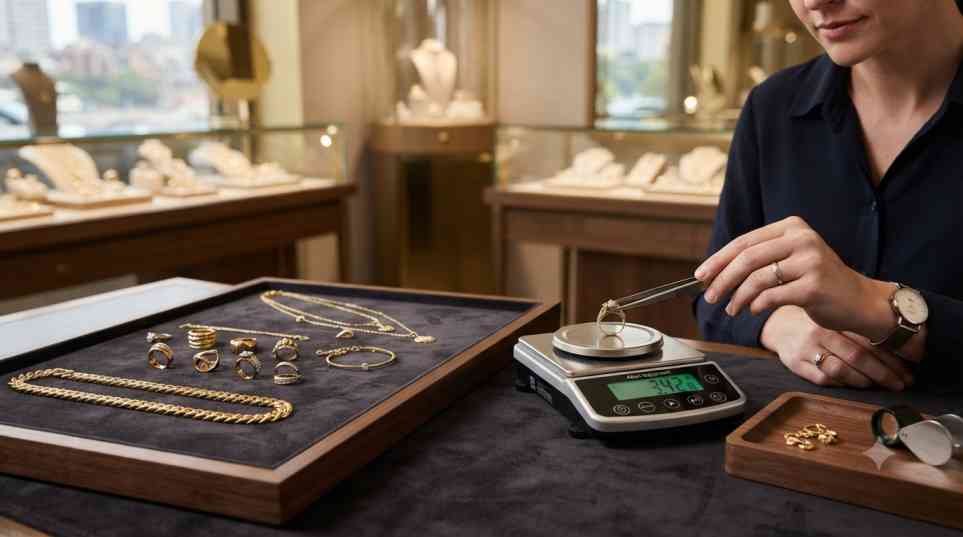
Do you have an old gold ring, a broken chain, or a bracelet that you no longer wear? You may be surprised to learn that these items could be worth more than you think. Even damaged or unwanted gold jewellery can have value. However, getting the right price is not always easy. The first offer you receive may not be the best one.
If you are thinking about selling gold ring jewellery or other unwanted gold items in Sydney, it is important to understand how buyers calculate their offers. Gold purity, weight, the current market price, and the buyer's costs can all affect how much money you receive.
Before selling your jewellery, take some time to check each item, compare different buyers, and understand the price offered. This simple guide explains what you need to know to make a confident sale.
Check What Your Rings, Chains and Bracelets Are Made Of
Before visiting a gold buyer, find out what type of gold your jewellery contains. This is one of the most important factors that affects its value.
Read the Gold Stamp, but Do Not Rely on It Completely
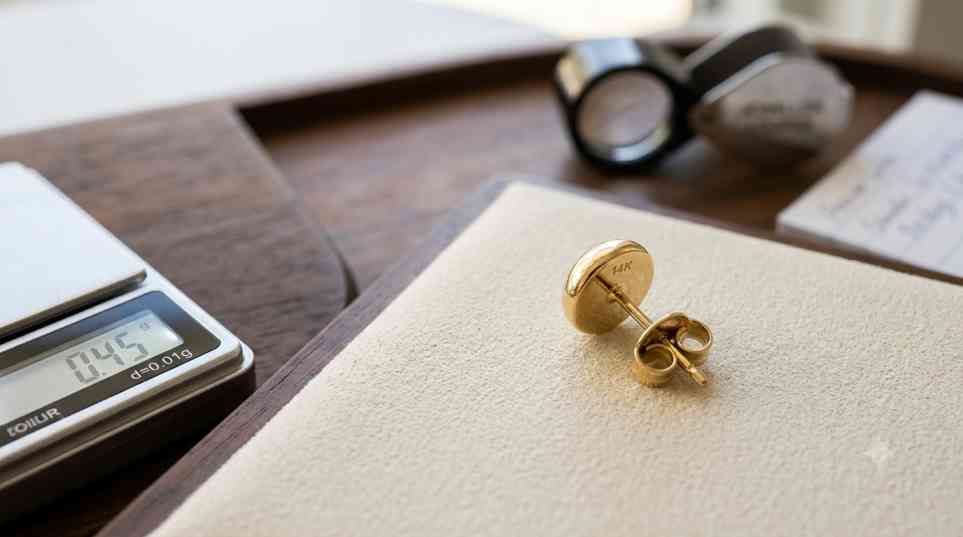
Most gold jewellery has a small stamp that shows its purity. You may find this mark inside a ring, near a bracelet clasp, or on a chain.
Here are some common gold purity marks:
9ct gold: Contains 37.5% pure gold.
14ct gold: Contains 58.5% pure gold.
18ct gold: Contains 75% pure gold.
24ct gold: Contains around 99.9% pure gold.
A higher karat number means the jewellery contains more pure gold. For example, 18ct gold usually has more gold content than 9ct gold of the same weight.
However, stamps can become damaged or difficult to read over time. Some jewellery may also have incorrect or missing marks. Ask a professional buyer to test your items before making a decision.
Separate Gold From Stones and Other Parts
Not every part of your jewellery may be made of gold. Rings can contain diamonds, gemstones, and other materials. Chains and bracelets may also have clasps, springs, or other parts made from different metals.
Ask the buyer whether they weigh the complete item or calculate only the actual gold weight. This is important because stones and non-gold parts may not be included in a scrap-gold offer.
Understand How Purity Changes the Value
Imagine you have two gold pieces, and each weighs 10 grams. One is made from 9ct gold, while the other is 18ct gold.
Although both pieces have the same total weight, their gold content is different.
The 10-gram 9ct piece contains approximately 3.75 grams of pure gold. The 10-gram 18ct piece contains approximately 7.5 grams of pure gold.
This shows why weight alone does not decide the value. Gold purity and the current market price also matter.
Understand How a Gold Offer Is Worked Out
Knowing how buyers calculate their offers can help you understand whether a price is reasonable.
Check the Day's Gold Price
Gold prices change regularly because of market demand, economic conditions, and other factors. The price today may be different from the price next week.
Before selling, check the latest gold price from a trusted market source, such as the World Gold Council. Look at the Australian dollar price per gram where available.
Remember that the international market price is not the same as the amount a gold buyer will pay you. Buyers usually deduct their business costs and profit margin.
It is also important to compare offers on the same day. This makes it easier to understand which buyer is offering better value.
Ask How the Buyer Calculates the Offer
A professional gold buyer should be able to explain the pricing process in simple terms.
Usually, the process includes these steps:
The buyer tests the jewellery to check its gold purity.
The gold is weighed to determine the amount being valued.
The current gold market price is used to calculate its basic value.
The buyer considers refining costs, business expenses, and profit margin.
The final offer is presented to the seller.
Gold is commonly traded using troy ounces. One troy ounce equals 31.1035 grams.
Do not hesitate to ask questions if you do not understand the calculation. A reliable buyer should be happy to explain it.
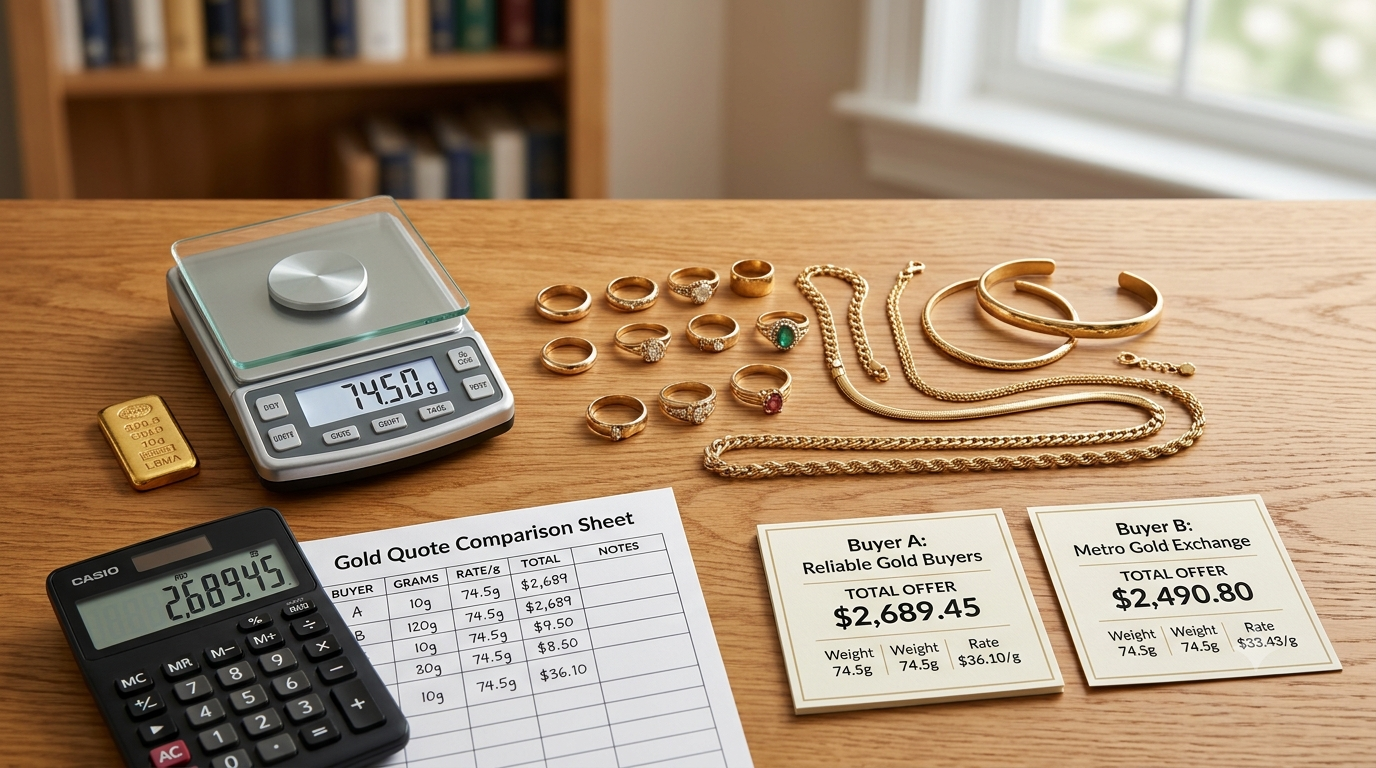
Get a Clear Breakdown Before You Agree
Before accepting an offer, ask the buyer to provide the following details:
The tested gold purity or karat.
The weight used for the calculation.
The gold price used on that day.
Any fees or deductions.
The final amount you will receive.
A written breakdown helps you compare offers and avoid confusion. It also gives you a record of the transaction.
Compare Sydney Buyers and Sale Options
There are many ways to sell unwanted gold jewellery in Sydney. Taking time to compare your options can help you find a suitable buyer.
Get More Than One Quote
Do not accept the first offer without checking other options. Try to get at least two or three quotes from different buyers.
For example, you can contact Gold Buyers Sydney to understand the available selling options and compare their offer with other local buyers.
Ask whether the buyer tests and weighs your jewellery in front of you. Also, check whether there is any fee if you decide not to accept the offer.
Getting multiple quotes on the same day gives you a better idea of your jewellery's possible selling value.
Weigh Convenience Against Value
You can sell gold through a local shop, a mail-in service, or a private buyer. Each option has different advantages.
Local gold shops: You can visit in person, ask questions, and usually receive an offer quickly.
Mail-in services: These can be convenient, but you should check insurance, tracking, payment terms, and return policies.
Private sales: You may find someone willing to pay more for a particular jewellery design, but the process can take longer and comes with additional safety concerns.
If you want a quick and simple sale, a local buyer may be a practical choice. If you are selling valuable or unusual jewellery, comparing private resale options may also be worthwhile.
Check the Buyer Before Handing Over Your Gold
Always check the business before giving anyone your jewellery. Look for clear contact details, a real business address, customer reviews, and written selling conditions.
In NSW, second-hand dealers must follow relevant state laws and record-keeping requirements. Sellers may also be asked to provide identification. Check the current NSW Fair Trading requirements before visiting a buyer or using a mail-in service.
If you are also interested in selling other precious metals, you can learn more about Sell Silver Bullion in SydneyHow to Sell Diamond Jewellery in Western Sydney for a Fair Price
to understand the options available for silver items.
Prepare Your Jewellery and Protect Your Sale
A little preparation can make the selling process easier and help you keep track of your items.
Sort and Record Each Piece
Before visiting a buyer, separate your jewellery into different groups, such as rings, chains, and bracelets.
Write down any visible gold stamps, damage, or missing parts. Take clear photographs of each item from different angles. If you have old purchase receipts, certificates, or valuation documents, keep them ready.
These records can help you compare offers and avoid mixing up your jewellery.
Avoid Cleaning or Repairing Items Just to Sell Them
You do not need to spend money repairing broken jewellery before selling it for its gold content. Cleaning it may also make little or no difference to a scrap-gold offer.
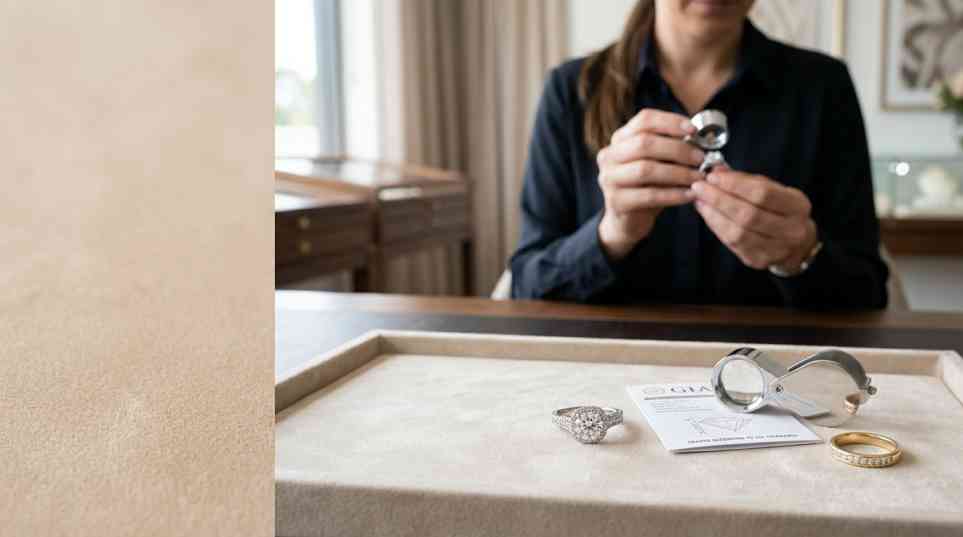
However, some jewellery may have value beyond its gold weight. Designer rings, antique pieces, and jewellery with valuable diamonds or gemstones may be worth more when sold as complete items.
If your ring contains a diamond, ask whether it has resale value before agreeing to a scrap-gold price. You can also read How to Sell Diamond Jewellery in Western Sydney for a Fair Price for more information.
Keep the Process Safe and Documented
Choose a buyer with a proper business location. If you use a mail-in service, check whether the package is tracked and insured.
Before leaving the shop or completing an online sale, ask for a receipt. It should clearly list the items sold, their tested purity, the weight used, and the amount paid.
Keep this document for your personal records.
Learn From Common Seller Scenarios
Here are three simple examples that show why checking the details matters.
Case Study 1: The Broken Chain
Imagine a seller has a broken 18ct gold chain weighing 12 grams. They visit two gold buyers and receive different offers.
The first buyer gives a total price without explaining the calculation. The second buyer tests the chain, confirms its purity, explains the weight used, and shows how the offer is calculated.
The second offer is easier to understand because the seller knows exactly what is being valued.
Lesson: Always ask for a clear price breakdown, even when selling damaged jewellery.
Case Study 2: The Ring With a Stone
A seller wants to sell a gold ring with a large gemstone. One buyer calculates the offer using the gold weight only, while another discusses whether the complete ring could have additional resale value.
The seller learns that the gemstone and design may have value beyond the gold content.
Lesson: Do not assume that every ring should be sold only for its gold value. Ask about its jewellery resale value first.
Case Study 3: The Rushed Walk-In Sale
A person visits a gold shop and receives an offer for an old bracelet. They are in a hurry and almost accept the price without asking any questions.
Instead, they decide to visit another buyer. The second offer includes a clear explanation of the bracelet's purity and weight.
The seller can now compare both offers and make a better-informed decision.
Lesson: Taking a little extra time can help you avoid accepting an offer you do not fully understand.
Sell With a Clear Price and No Surprises
Selling unwanted gold jewellery in Sydney does not have to be difficult. The key is to understand what you own and how buyers calculate their offers.
Before selling, check the gold stamps, understand the purity, weigh each item, and compare at least two or three same-day offers. Ask buyers to explain their calculations and provide a written breakdown.
Also, remember that some jewellery may be worth more as a complete piece than as scrap gold.
Whether you are selling an old ring, a broken chain, or an unwanted bracelet, choose a buyer who offers clear information and fair selling terms.
Take your time, ask the right questions, and choose an offer you understand. A little preparation can make your gold-selling experience much easier and more confident.
Frequently Asked Questions (FAQs)
1. How can I get the best price when selling a gold ring in Sydney?
To get the best price, check your ring's gold purity, weight, and current market value. Contact at least two or three gold buyers and compare their offers. Always ask for a clear breakdown before accepting a price.
2. Does damaged or broken gold jewellery have any value?
Yes, damaged gold jewellery can still have value. Broken chains, bent rings, and damaged bracelets can be sold based on their gold content. The final offer depends on the gold purity, weight, and current market price.
3. How do I know if my gold ring is 9ct, 14ct, or 18ct?
Check the small stamp inside your ring. Common marks include 375 for 9ct, 585 for 14ct, and 750 for 18ct gold. If the stamp is missing or unclear, ask a professional gold buyer to test it.
4. Does the weight of a gold ring affect its selling price?
Yes, weight is an important factor in calculating the value of a gold ring. However, purity also matters. A heavier 9ct ring may contain less pure gold than a lighter 18ct ring.
5. Should I clean my gold jewellery before selling it?
You do not need to clean your jewellery before selling it for scrap gold. Cleaning usually does not increase its gold content or scrap value. However, keeping it presentable can make it easier to inspect.
6. Can I sell a gold ring with diamonds or other gemstones?
Yes, you can sell gold rings that contain diamonds or other gemstones. However, some buyers only pay for the gold content. Ask whether the stones have additional resale value before accepting an offer.
Written By
Team Times&Gold
Visit Us in Parramatta!
NO APPOINTMENTS NEEDED!
Located inside DLUX Jewellers
Opposite Commonwealth Bank