Australia's Highest Paying Gold Buyers $$$

What Types of Gold Can You Sell for Cash? Jewelry, Coins, Scrap, and More
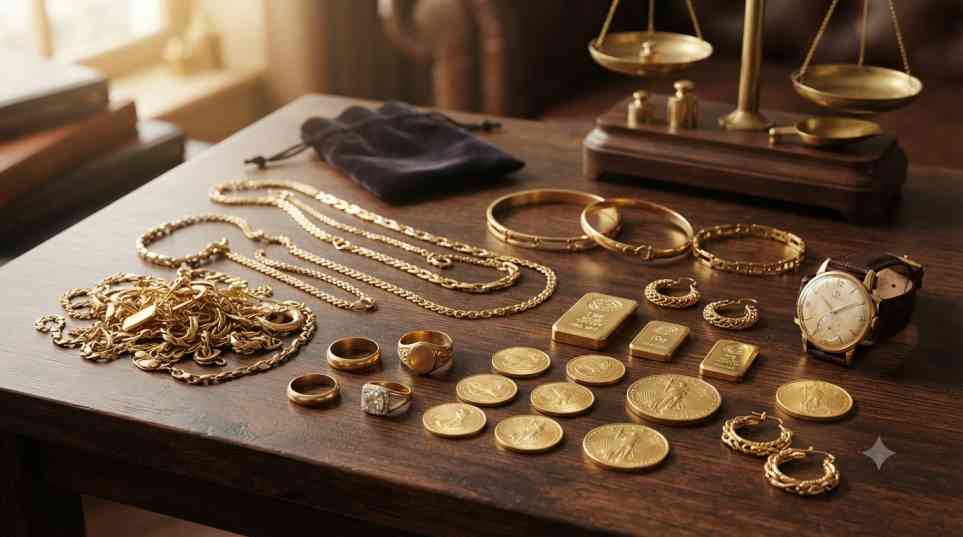
That old gold chain sitting in your drawer could be worth more than you think. Maybe you have a broken ring, a single gold earring, or an old coin that you no longer use. Instead of letting these items collect dust, you may be able to turn them into cash.
Many people think only gold jewelry can be sold. However, gold buyers accept different types of gold, including coins, bars, broken jewelry, dental gold, watches, and other gold items.
The amount you receive depends on several things, such as gold purity, weight, current market price, and buyer demand. Also, remember that the cash value of gold is not always the same as the price you paid for it at a jewelry store.
In this guide, we will explain what types of gold you can sell, how buyers calculate its value, and how to get a fair price for your items.
Know What Sets a Gold Item’s Cash Value
Before selling your gold, it is important to understand how buyers decide its value. Three main factors affect the price: purity, weight, and the current gold market price.
Check the Karat Mark to Estimate Purity
Gold purity tells you how much pure gold an item contains. It is usually measured in karats (K).
Here are some common gold purity levels:
24K gold: About 99.9% pure gold.
18K gold: 75% pure gold.
14K gold: About 58.3% pure gold.
10K gold: About 41.7% pure gold.
For example, 18K gold contains more pure gold than 14K gold. This means an 18K item will usually have a higher gold value if both items have the same weight.
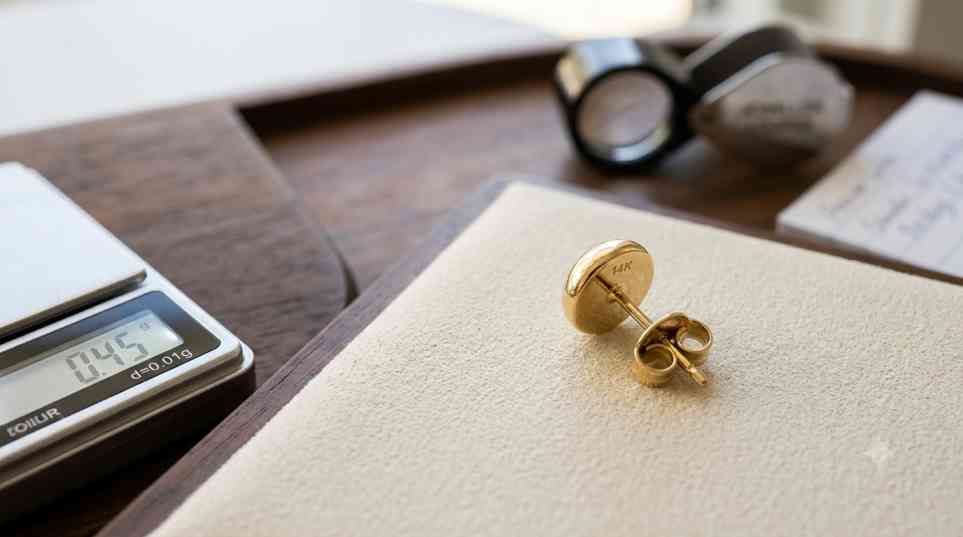
You can often find a small number or mark inside a ring or on a jewelry clasp. However, these marks may be missing, damaged, or incorrect. A professional buyer may need to test the item to confirm its purity.
Understand Weight and the Daily Gold Price
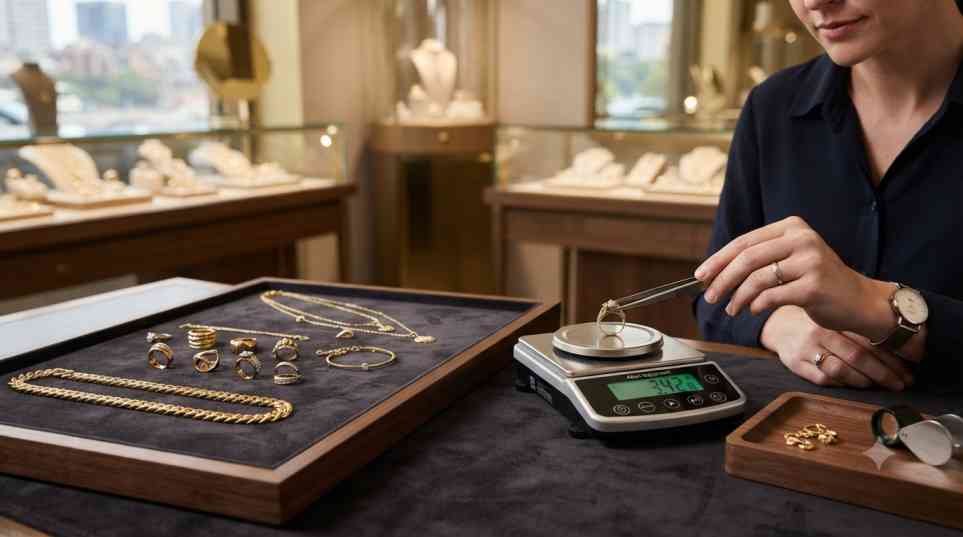
Gold buyers usually weigh your item and check how much pure gold it contains. They then compare this amount with the current market price.
Gold prices change every day because of market demand and other economic factors.
For example, on November 26, 2026, Reuters reported that spot gold was around $3,565.41 per troy ounce. This is a market price, not the amount you will receive when selling jewelry. The actual offer may be lower because buyers consider testing, refining, and business costs.
Reuters
See How Scrap Value Differs From Retail Value
The price you paid for jewelry at a store is not the same as its selling value.
When you sell a ring for scrap, the buyer may only pay for its gold content. The original design, making charges, and store profit may not be included.
For example, a 10-gram 14K gold chain contains around 5.83 grams of pure gold. This is because 14K gold is approximately 58.3% pure.
The buyer calculates the value using the pure gold content and then considers any deductions.
Remember, melt value is the estimated value of the gold after it is melted. Resale value is what an item may earn when sold again as jewelry or a collectible. A beautiful or rare piece may have more value when kept intact.
Sell Gold Jewelry, Even When It’s Broken
Gold jewelry is one of the most common things people sell for cash. The good news is that your jewelry does not need to look perfect to have value.
Rings, Chains, Bracelets, and Earrings
You can sell many types of gold jewelry, including:
Gold rings and wedding bands
Necklaces and chains
Gold bracelets and bangles
Earrings, including single earrings
Gold pendants and lockets
Old gold jewelry sets
Even a tangled chain or an unmatched earring may have value if it contains real gold.
If your jewelry has diamonds, gemstones, or other decorations, the buyer may remove them or deduct their weight before calculating the gold value. Ask whether you can keep the stones.
Broken or Out-of-Style Pieces
Do not throw away broken gold jewelry. A damaged item can still contain valuable gold.
For example, a snapped 14K gold necklace may still be worth money. The buyer will check its purity and weight before making an offer.
Scratches, broken clasps, and old designs usually do not make much difference when the buyer is paying for scrap gold.
Designer and Vintage Jewelry
Some gold jewelry is worth more than its gold content.
Designer brands, antique rings, and rare vintage pieces may have extra value because of their design, history, or maker.
Before selling these items for scrap, get an opinion from an independent jewelry appraiser. Melting a rare piece can remove its extra value permanently.
Turn Coins and Gold Bars Into Cash
Gold coins and bars are also popular options when people want to get cash for gold. However, their value depends on their purity, weight, condition, and market demand.
Bullion Coins and Bars
Gold bullion coins and bars are made mainly for investment purposes. They usually have a clear purity mark and weight.
Some common examples include:
American Gold Eagle coins
Canadian Gold Maple Leaf coins
Gold bars from recognized refiners
Other government-issued gold bullion coins
Buyers may check the coin's markings, weight, serial number, packaging, and condition before making an offer.
It is a good idea to compare prices from bullion dealers and coin shops. Some buyers may offer better prices for recognized coins and bars.
Collectible Coins
Not every gold coin is valued only by its gold content.
Some coins have extra value because they are rare, old, or in excellent condition. The mint mark, year, design, and number of coins made can also affect their price.
Never clean an old gold coin before selling it. Cleaning can damage its surface and reduce its value to collectors.
If you have a rare coin, ask a coin expert to check it before accepting a scrap gold offer.
A Practical Coin-Selling Example
Imagine you have a gold bullion coin that weighs one troy ounce and contains 99.9% pure gold.
Here is how you can sell it:
Check the coin's weight and purity.
Look up the current market price of gold.
Contact two or three coin dealers.
Compare their offers and any extra charges.
Choose the best offer and keep the sale receipt.
This is a hypothetical example, but it shows how a little research can help you get a better price.
Find Buyers for Dental Gold and Other Gold Scrap
You may have gold in places you never expected. Dental gold and small scrap pieces are two examples.
Dental Crowns and Fillings
Some dental crowns, bridges, and fillings contain gold or gold alloys.
These items may have value even if they are old or no longer needed. However, dental gold does not always have the same purity as regular jewelry.
Some buyers accept dental gold, while others do not. Before selling, ask how they test it and whether they remove non-gold materials before weighing it.
Also, confirm whether the buyer weighs the item before or after removing unwanted parts.
Gold Scrap and Small Pieces
Gold scrap includes small or damaged pieces that cannot easily be used as jewelry.
Examples include:
Broken gold clasps
Bent rings
Small gold wires
Unmatched earrings
Old gold chains
Damaged pendants
You can collect these small pieces and take them to a gold buyer.
One useful tip is to keep different karat items in separate bags. For example, keep 14K gold separate from 18K gold. This makes testing and weighing easier.
Gold in Electronics
Some electronic devices contain small amounts of gold. You may find gold in computer parts, circuit boards, mobile phones, and other electronic equipment.
However, the amount is usually very small. Removing it requires special tools and knowledge.
Do not try to extract gold at home using chemicals or unsafe methods. Instead, contact a qualified electronic waste (e-waste) recycler that follows safe recycling practices.
Check Watches, Collectibles, and Other Special Pieces
Gold is not limited to jewelry and coins. Some watches and unusual gold items may also be worth selling.
Gold Watches
An old watch may contain real gold, but not every gold-colored watch is made from gold.
Check the case and band for marks such as 10K, 14K, 18K, or 750. Some watches have solid gold cases, while others have gold-plated or gold-filled parts.
Ask the buyer whether the watch movement, case, and band are valued separately. A working watch from a popular brand may be worth more as a complete item than as scrap gold.
Nuggets and Unusual Gold Items
Natural gold nuggets can attract interest from specialist buyers and collectors.
Their value depends on weight, purity, shape, size, and appearance. Some unusual pieces may have extra value because of their natural shape.
You can also sell certain marked gold objects, but it is important to have their purity checked first.
Keep Collectible Value in Mind
Before selling an unusual gold item, think about its possible value as a collectible.
An antique gold watch, signed jewelry piece, or rare gold object may be worth more than its metal content.
Get an independent appraisal before selling it for scrap. This simple step can help you avoid losing money.
Compare Offers Before You Sell
Finding the right buyer is just as important as knowing what type of gold you have. Different buyers may offer different prices for the same item.
Here are some simple ways to protect yourself and get a fair deal.
Get More Than One Quote
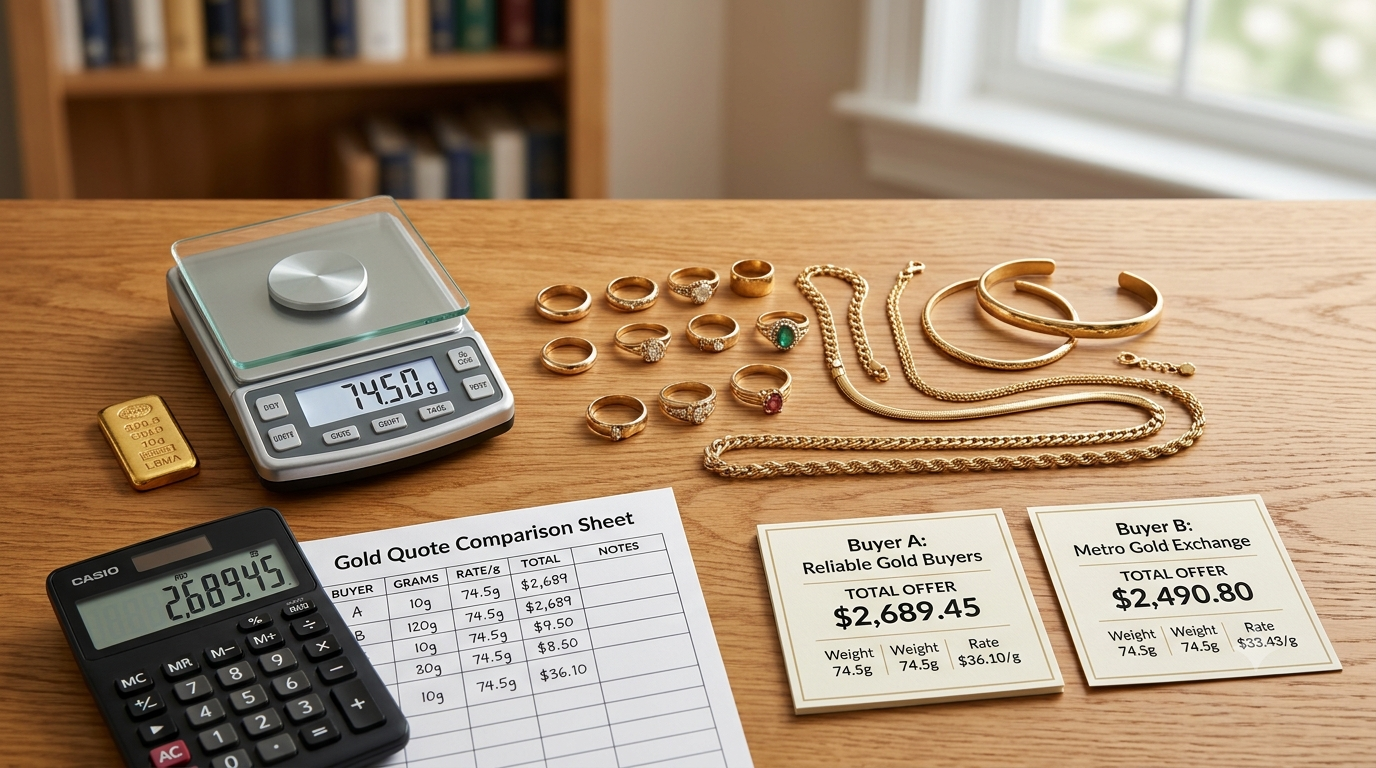
Do not accept the first offer you receive. Contact at least two or three local buyers and compare their prices.
Ask each buyer to explain:
The purity of your gold.
The total weight of your items.
The current gold rate they are using.
Any testing or refining charges.
The final amount you will receive.
You can also search for a trusted gold buyer in your area and check customer reviews before visiting.
Ask How the Buyer Tests and Weighs Gold
A professional buyer should explain how they check your gold.
Before accepting an offer, ask these questions:
Will you test my gold in front of me?
Will you weigh each item separately?
Does your weighing scale show grams or pennyweights?
Will you explain all deductions?
Can I get a written breakdown of the price?
Make sure you understand the final offer before agreeing to sell.
Keep the Sale Safe and Clear
Always choose a buyer with a good reputation. Check customer reviews, business details, and any local licensing requirements.
Carry photo identification if required by local law. Ask about payment methods and make sure you receive payment as agreed.
Most importantly, keep your sale receipt. It should include the items sold, their weight, purity, price, and any deductions.
Make the Most of Gold You're Ready to Sell
Gold comes in many forms, and almost every genuine gold item may have some cash value. You can sell old jewelry, broken chains, gold coins, bullion bars, dental gold, scrap pieces, and even certain gold watches.
The important thing is to understand what you have before selling it. Check the karat mark, know the weight, and compare the current gold price.
If you own antique jewelry, rare coins, or designer watches, get an independent appraisal before selling them as scrap.
Jewelry appraiser Jeanne Hawk, a Graduate Gemologist (GG) and Registered Master Valuer (RMV), explains that jewelry value depends on its quality, market conditions, and the reason for the valuation. This is why an insurance value and a selling price can be very different.
Jeanne Hawk Fine Jewelry Appraisals, LLC
If you are planning to sell gold, start by sorting your items according to their type and purity. Then contact a few trusted buyers and compare their offers.
You might be surprised by how much value is hiding in your old jewelry box!
Frequently Asked Questions (FAQs)
1. What types of gold can you sell for cash?
You can sell many types of gold, including old jewelry, broken chains, rings, bracelets, gold coins, bullion bars, dental gold, gold watches, and scrap gold. The value depends on the item's purity, weight, and current gold price.
2. Can I sell broken or damaged gold jewelry?
Yes, you can sell broken gold jewelry. Items such as snapped chains, bent rings, single earrings, and damaged bracelets still have value if they contain real gold. Buyers usually calculate the price based on gold purity and weight.
3. How do I know how much my gold is worth?
The value of your gold depends on three main factors: purity, weight, and the current market price. A professional buyer can test your gold, weigh it, and provide an offer based on its gold content.
4. Can I sell 10K, 14K, and 18K gold?
Yes, most gold buyers accept different karat levels. However, higher-karat gold usually has more value because it contains a higher amount of pure gold. For example, 18K gold contains 75% pure gold, while 14K gold contains about 58.3%.
5. Is old gold jewelry worth selling?
Yes, old gold jewelry can still have good value. Even if the design is outdated or the jewelry is damaged, buyers may pay for its gold content. However, antique or designer jewelry may be worth more if sold as a complete piece.
Written By
Team Times&Gold
Visit Us in Parramatta!
NO APPOINTMENTS NEEDED!
Located inside DLUX Jewellers
Opposite Commonwealth Bank