Australia's Highest Paying Gold Buyers $$$


How Much Can You Get for Old Gold Jewellery in 2026? Complete Australian Pricing Guide
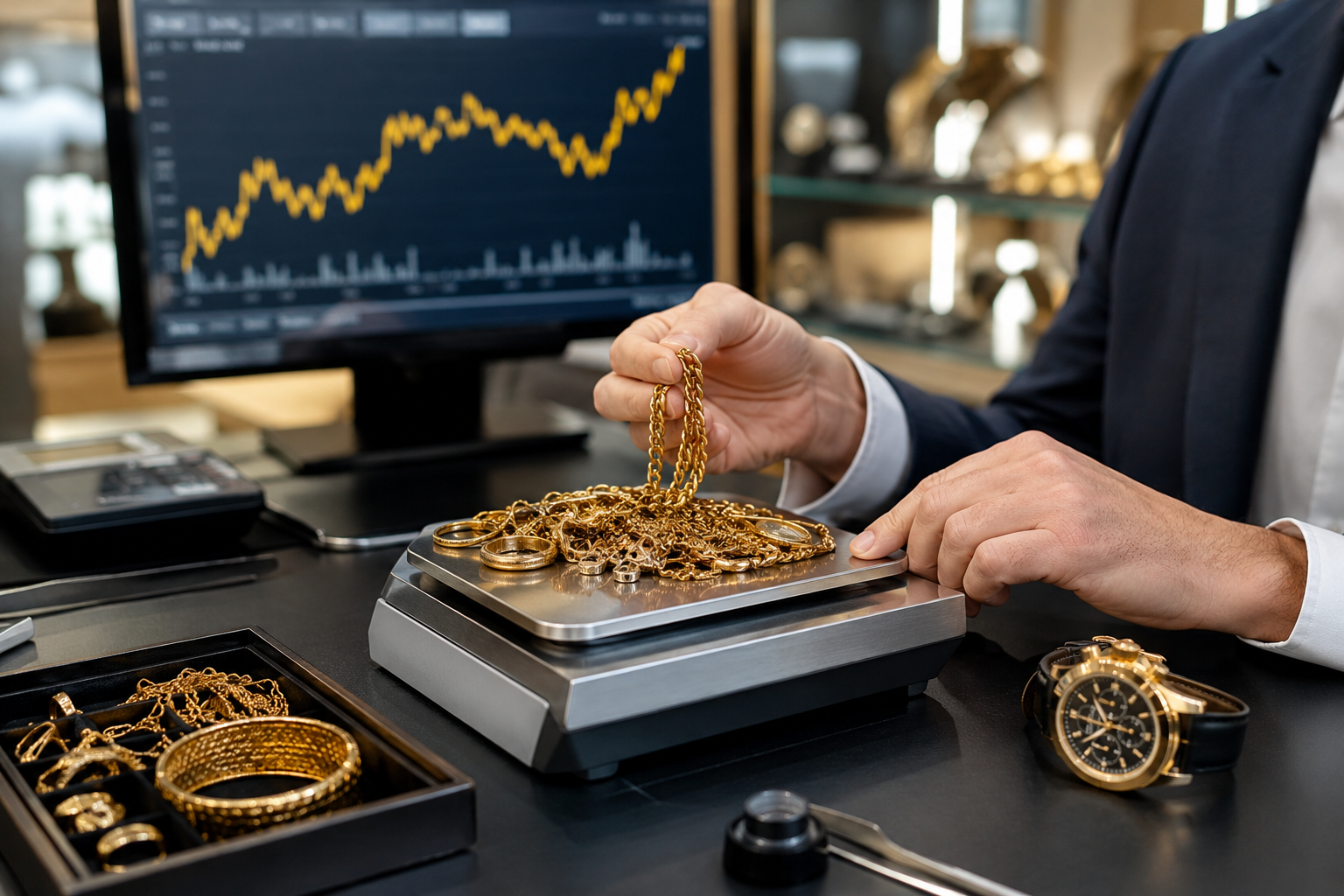
How Much Can You Get for Old Gold Jewellery? A 2026 Pricing Guide
Introduction
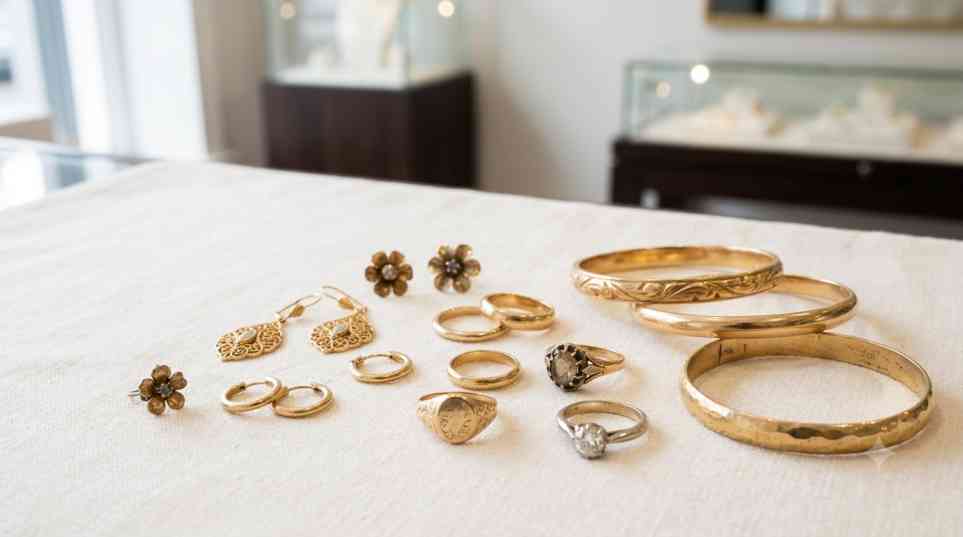
If you have old gold jewellery tucked away in a drawer, now may be the perfect time to find out what it's worth. From broken chains and unwanted rings to inherited jewellery and outdated pieces, many Australians are discovering that their unused gold can be converted into significant cash.
Gold continues to be one of the world's most valuable precious metals, and strong market conditions throughout 2026 have encouraged more people to explore selling their jewellery. However, one of the biggest mistakes sellers make is assuming all gold jewellery is valued the same way.
In reality, the amount you receive depends on a combination of factors including purity, weight, current gold prices, condition, craftsmanship, brand recognition, and the type of buyer you choose.
At Time & Gold, we've worked with thousands of customers looking to sell unwanted jewellery. One of the most common surprises we encounter is the difference between offers from different buyers. Two businesses may evaluate the same item and provide dramatically different quotes.
The key to maximizing your return is understanding how the valuation process works before you sell.
In this guide, we'll explain exactly how old gold jewellery is priced in 2026, what affects its value, the difference between scrap and resale pricing, and how to avoid common mistakes that could cost you money.
How Gold Value Is Calculated
Before accepting any offer, it's important to understand how gold buyers determine value.
Most valuations are based on three primary factors:
Gold purity
Weight
Current market price
Understanding these fundamentals helps you evaluate offers more confidently and avoid accepting less than your jewellery is worth.
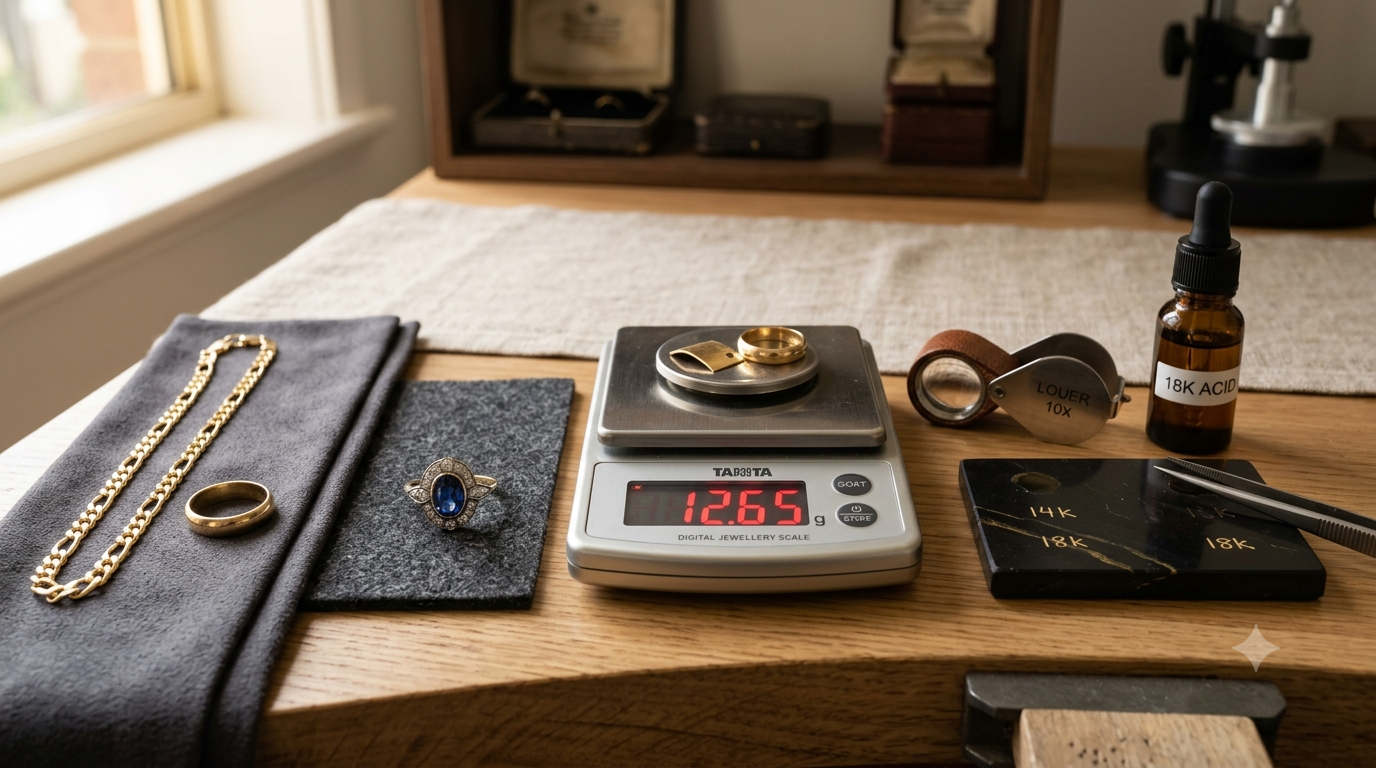
Understanding Karats and Purity
The purity of gold jewellery is measured in karats (K).
The higher the karat number, the greater the percentage of pure gold contained within the piece.
24K Gold
24K gold is considered pure gold and contains approximately 99.9% gold.
Because pure gold is relatively soft, it's not commonly used for everyday jewellery. However, it commands the highest value per gram because of its purity.
Many gold bars and investment products are manufactured using 24K gold.
18K Gold
18K gold contains 75% pure gold and 25% alloy metals.
This balance makes it popular among luxury jewellery manufacturers because it combines beauty with improved durability.
Many high-end jewellery brands use 18K gold in their collections.
14K Gold
14K gold contains approximately 58.5% pure gold.
It is one of the most common jewellery grades in Australia due to its durability and affordability.
Many engagement rings, wedding bands, and everyday jewellery pieces are made from 14K gold.
10K Gold
10K gold contains approximately 41.7% pure gold.
Although it contains less gold than higher-karat alternatives, it remains popular because of its strength and resistance to wear.
Why Purity Matters
Two jewellery items may weigh exactly the same, yet have vastly different values.
For example:
A 20-gram 18K necklace contains significantly more pure gold than a 20-gram 10K necklace.
As a result, the 18K item will generally receive a much higher valuation.
This is why purity testing is one of the first steps in the gold buying process.
Understanding Hallmarks
Most genuine gold jewellery contains a hallmark stamp indicating its purity.
Common hallmarks include:
Hallmark
Gold Purity
999
24K Gold
750
18K Gold
585
14K Gold
417
10K Gold
These stamps provide valuable information for both sellers and buyers.
However, not all jewellery contains visible hallmarks, especially older pieces. In these situations, professional testing is required to determine purity accurately.
The Role of the Spot Price
Gold prices change every day.
The value of your jewellery is heavily influenced by the current market price of gold, commonly known as the spot price.
What Is the Spot Price?
The spot price is the live market value of pure gold at any given moment.
It fluctuates continuously due to factors such as:
Inflation concerns
Interest rates
Currency fluctuations
Central bank purchasing activity
Global economic uncertainty
Investor demand
When market uncertainty increases, gold prices often rise as investors seek safe-haven assets.
Spot Price vs. What You'll Actually Receive
One of the biggest misconceptions among sellers is the belief that buyers should pay the full spot price.
In reality, buyers need to account for:
Refining costs
Operational expenses
Market risk
Labour costs
Business overheads
As a result, offers are typically based on a percentage of the underlying gold value rather than the full spot price.
The exact percentage depends on factors such as:
Item type
Gold purity
Quantity being sold
Current market conditions
Buyer policies
Why Monitoring Gold Prices Matters
If you're planning to sell a significant amount of gold, monitoring prices for several days can be worthwhile.
Even relatively small market movements can have a noticeable impact on larger transactions.
Many experienced sellers watch gold prices over a one-week period before making a decision.
Weight vs. Value
Weight plays a major role in determining the value of gold jewellery.
Professional buyers use calibrated digital scales to ensure accuracy.
Why Precise Weight Matters
Gold is typically weighed in grams.
Even minor differences can affect the final payout.
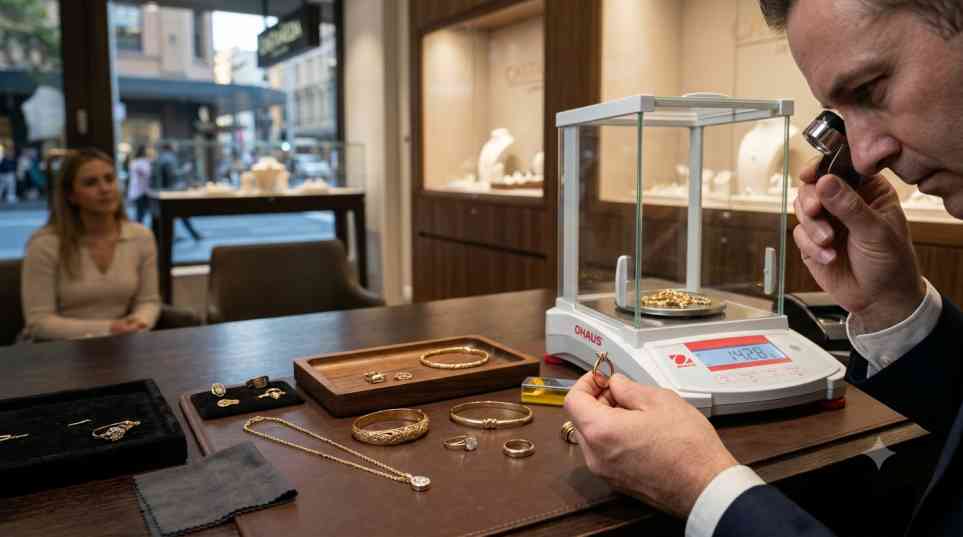
Transparent buyers will always weigh jewellery in front of customers and explain how the calculations are made.
Example: Calculating a 10g 14K Ring
Let's assume you have a 10-gram ring made from 14K gold.
14K gold contains approximately 58.5% pure gold.
Calculation:
10 grams × 58.5% = 5.85 grams of pure gold
The value of those 5.85 grams is then determined using the current gold market price.
This simple formula forms the basis of most gold valuations.
Scrap Value vs. Collector Value
Not every gold item should be sold based solely on its gold content.
Understanding whether your jewellery has additional market value can make a substantial difference to your final payout.
When to Sell for Scrap
Some jewellery pieces are best valued for their metal content alone.
Examples include:
Broken chains
Damaged bracelets
Bent rings
Single earrings
Severely worn jewellery
Outdated designs with limited demand
Understanding Melt Value
Scrap jewellery is generally valued according to its melt value.
Melt value refers to the worth of the precious metal after refining.
In these situations, buyers focus primarily on:
Weight
Purity
Current gold prices
The appearance of the item often becomes irrelevant.
Even damaged jewellery can still be surprisingly valuable if it contains a significant amount of gold.
Why Many Buyers Focus on Scrap Value
General second-hand dealers and pawn shops often prioritise precious metal content rather than collectible value.
Because of this, sellers may receive offers based purely on weight and purity.
This isn't necessarily wrong—but it may not always provide the highest possible return.
When to Sell as Jewellery
Some pieces deserve a more specialised evaluation.
Vintage Jewellery
Vintage jewellery often appeals to collectors and enthusiasts.
Popular categories include:
Victorian jewellery
Edwardian jewellery
Art Deco jewellery
Mid-century modern designs
Collectors may be willing to pay substantially more than the underlying gold value.
Antique Jewellery
Antique pieces often possess historical significance, rarity, and craftsmanship that increase demand.
These qualities can significantly increase value beyond melt price calculations.
Designer Jewellery
Luxury brands frequently command substantial premiums.
Examples include:
Cartier
Tiffany & Co.
Bulgari
Van Cleef & Arpels
A designer bracelet may contain only a certain amount of gold, yet its brand recognition can multiply its resale value.
Real-World Example
A genuine Art Deco ring from the 1920s may contain only a modest amount of gold.
However, because collectors value rarity and craftsmanship, the same ring may sell for several times its melt value through the appropriate sales channel.
This is why identifying unique or collectible jewellery before selling is extremely important.
The Impact of Gemstones
Many sellers assume gemstones automatically add substantial value.
The reality is more complicated.
Why Small Diamonds Often Add Little Value
Most gold buyers focus primarily on the precious metal itself.
Small commercial-grade diamonds frequently contribute very little to the overall offer.
In some situations, they may even be removed during the refining process.
When Gemstones Can Increase Value
Higher-quality gemstones may significantly increase value when they have:
Strong clarity
Excellent colour
High carat weight
Professional certification
Strong market demand
Large diamonds, sapphires, rubies, and emeralds often require separate evaluation.
Consider Separate Appraisals
For valuable stones, obtaining an independent appraisal may provide a more accurate understanding of overall value.
Many experienced sellers choose to evaluate gemstones separately from the gold setting.
Common Mistake
One of the most common misconceptions is assuming every "gold and diamond" piece is highly valuable.
In reality, gemstone quality often matters far more than simply having stones present.
What We See Every Week as Gold Buyers in Sydney
After evaluating thousands of gold items, certain patterns appear again and again.
One of the biggest surprises for customers is learning that broken jewellery can still hold significant value.
Many people assume damaged items are worthless. In reality, a broken 18K chain may still contain hundreds or even thousands of dollars worth of gold.
We also regularly meet customers who have received vastly different quotes from multiple buyers.
The reason is simple: not all valuation methods are equal.
Some businesses focus solely on scrap value, while others take additional factors into account.
Another common situation involves inherited jewellery.
Families often assume inherited items are only worth their gold content. However, vintage craftsmanship, designer origins, or collectible appeal can sometimes justify substantially higher valuations.
This is one reason why working with an experienced gold buyer is so important.
Whether you're selling a broken bracelet or an entire estate collection, understanding the true nature of the item can dramatically influence the final outcome.
Where to Sell for the Best Return
Once you understand how your jewellery is valued, the next step is choosing the right selling method. The difference between buyers can have a significant impact on your final payout.
Many sellers focus exclusively on the advertised rate without considering factors such as transparency, expertise, testing methods, and hidden fees. Taking time to compare options can often result in a noticeably better outcome.
Local Gold Buyers and Jewelers
For many Australians, local gold buyers remain the most convenient and trusted option.
Advantages of Selling Locally
One of the biggest benefits of selling to a local buyer is immediate payment. Unlike online transactions that may require shipping and processing times, local buyers can often complete the valuation and payment process on the same day.
Additional benefits include:
Face-to-face interaction
Transparent testing procedures
Immediate answers to questions
No shipping risks
Faster transactions
For individuals searching for a trusted gold buyer in Australia, choosing a business with a strong reputation, transparent valuation methods, and industry experience can make a significant difference.
Potential Disadvantages
Not every local buyer offers the same level of service or pricing.
Some businesses may:
Use outdated pricing models
Focus solely on scrap value
Provide limited explanations of calculations
Offer lower payout percentages
This is why obtaining multiple quotes is essential.
Negotiation Tips
Before visiting a buyer:
Know the current gold price.
Understand your jewellery's purity.
Organise items by karat.
Request a valuation breakdown.
Compare at least three offers.
Well-informed sellers generally achieve stronger results because they understand the value of what they're selling.
Online Gold Refiners
Online gold refiners have become increasingly popular across Australia.
These businesses often process large quantities of precious metals and may offer highly competitive rates.
Benefits of Online Refiners
Advantages include:
Convenient mail-in service
Competitive pricing
Access to larger markets
Simplified selling process
Because refiners work directly with precious metals, some can offer rates closer to the underlying gold value.
Potential Risks
However, there are also considerations to keep in mind.
These may include:
Shipping delays
Insurance limitations
Waiting periods for payment
Limited face-to-face communication
Before sending valuable jewellery through the mail, verify that the business provides adequate insurance coverage and clear valuation procedures.
How to Verify a Reputable Online Buyer
Look for:
Verified reviews
Established business history
Transparent pricing policies
Clear payment procedures
Professional customer support
A reputable company should clearly explain how items are tested, valued, and paid for.
Auction Houses and Private Sales
Not all jewellery belongs in the scrap category.
Some items may be worth significantly more when sold through specialised channels.
Best Candidates for Auction Sales
Auction houses are often suitable for:
Antique jewellery
Estate collections
Designer pieces
Rare gemstones
Collectible jewellery
Collectors frequently pay premiums for rarity, provenance, and craftsmanship.
The Importance of Appraisals
A professional appraisal can provide confidence to potential buyers and support higher sale prices.
Documentation may include:
Gemstone certification
Brand authentication
Historical information
Independent valuations
These details often help justify premium pricing.
eBay vs Specialist Jewellery Auctions
Online marketplaces offer broad exposure but also involve:
Listing fees
Buyer disputes
Time-consuming management
Shipping responsibilities
Specialist jewellery auction houses generally attract more qualified buyers who understand the value of unique pieces.
As a result, exceptional jewellery often performs better through dedicated auction channels.
Luxury Watches: Why They Should Be Evaluated Separately
One mistake we occasionally see involves sellers including luxury watches in a scrap jewellery transaction.
This can lead to substantial undervaluation.
A professional watch buyer assesses far more than the precious metal content.
Factors considered include:
Brand
Model
Age
Rarity
Condition
Service history
Original documentation
Market demand
Brands such as Rolex, Omega, Cartier, Patek Philippe, and Audemars Piguet can command values far exceeding the worth of their precious metals alone.
Even older watches with cosmetic wear may attract strong collector demand.
If your jewellery collection includes luxury timepieces, obtaining a specialist watch valuation before selling is strongly recommended.
Red Flags and Common Scams
Unfortunately, not all gold buyers operate with the same level of professionalism.
Understanding common industry red flags can help protect you from costly mistakes.
The Lowball Offer
Lowball offers remain one of the most common issues encountered by sellers.
Warning Signs
Be cautious if a buyer:
Refuses to explain calculations
Avoids discussing purity
Creates urgency to sell immediately
Uses vague valuation methods
Provides significantly lower offers than competitors
A reputable buyer should be willing to explain exactly how the valuation was determined.
Transparency is a key indicator of professionalism.
Why Multiple Quotes Matter
One of the simplest ways to protect yourself is obtaining several independent valuations.
The difference between the highest and lowest offer can often be substantial.
Many sellers are surprised to discover that comparison shopping alone can significantly increase their final payout.
Hidden Fees
Some businesses advertise attractive rates but reduce the final payment through various deductions.
Examples may include:
Refining fees
Processing charges
Administration costs
Shipping expenses
Always ask whether the quoted amount represents the final amount you will receive.
A trustworthy buyer should disclose all costs upfront.
Fake or Outdated Testing Methods
Accurate testing is essential when valuing precious metals.
However, not all testing methods are equal.
Problems with Traditional Acid Testing
Acid testing has been used for many years but comes with limitations.
Potential issues include:
Surface scratching
Minor cosmetic damage
Limited precision
While still used in certain situations, more advanced technologies are now available.
Why XRF Technology Is Preferred
Modern X-Ray Fluorescence (XRF) technology offers several advantages:
Non-destructive testing
Rapid analysis
Highly accurate results
Detailed metal composition breakdown
Many professional buyers now use XRF equipment because it provides reliable results without damaging jewellery.
When possible, choose buyers who utilise modern testing methods.
Unrealistic "Top Dollar" Claims
Marketing claims can sometimes create unrealistic expectations.
Advertisements promising:
"100% of spot price"
"Highest payout guaranteed"
"Best price in Australia"
should always be evaluated carefully.
Understanding Buyer Margins
Every legitimate buyer incurs costs such as:
Refining
Insurance
Staff wages
Rent
Equipment
Market risk
As a result, no sustainable business consistently pays 100% of spot price.
A fair offer should be competitive, transparent, and clearly explained.
If something sounds too good to be true, it usually warrants closer investigation.
Why Experience Matters When Selling Gold
The process of valuing jewellery involves much more than simply weighing an item.
Experience can have a significant impact on identifying value that others may overlook.
At Time & Gold, we frequently encounter pieces that require more detailed assessment due to factors such as:
Vintage significance
Designer origins
Rare craftsmanship
Gemstone quality
Market demand
A less experienced buyer may focus solely on melt value, while a specialist may recognise additional value that deserves consideration.
What Experienced Buyers Look For
Professional evaluators consider:
Gold purity
Precious metal weight
Jewellery condition
Brand recognition
Manufacturing quality
Historical significance
Gemstone characteristics
This broader perspective helps ensure sellers receive a more accurate assessment of their items.
Action Plan for Maximum Profit
Selling gold successfully starts with preparation.
Following a structured approach can help maximise your return while reducing the likelihood of mistakes.
Pre-Sale Checklist
Before seeking offers:
Clean Your Jewellery
A gentle cleaning can improve presentation and reveal important hallmarks or identifying marks.
Separate Items by Karat
Organise jewellery into categories such as:
24K
18K
14K
10K
This simplifies the valuation process and helps avoid confusion.
Gather Documentation
Collect any available:
Purchase receipts
Appraisals
Certificates
Warranty information
Documentation may increase buyer confidence and support higher offers.
Identify Designer Pieces
Luxury brands often command premiums beyond their gold value.
Review your collection carefully before selling.
Comparison Shopping Strategy
One of the simplest ways to increase your payout is obtaining multiple quotes.
Aim for at Least Three Valuations
Different buyers may assess items differently.
Comparing offers provides valuable insight into true market value.
Monitor Gold Prices
Gold prices fluctuate regularly.
Monitoring market conditions for several days before selling may help you identify favourable timing.
Record Important Details
Maintain a simple inventory including:
Weight
Purity
Hallmarks
Photographs
This creates transparency and helps support informed decisions.
Don't Feel Pressured
Professional buyers understand that informed customers compare offers.
Take your time and evaluate your options carefully.
For those seeking Cash for Gold in Sydney, obtaining several independent valuations remains one of the most effective ways to maximise returns while ensuring a transparent selling experience.
Frequently Asked Questions
How much can I get for old gold jewellery in Australia?
The value depends on purity, weight, current gold prices, and whether the piece has additional resale value due to design, rarity, gemstones, or brand recognition.
Is broken gold jewellery still worth money?
Yes. Broken gold jewellery retains value because buyers primarily assess the precious metal content. Even damaged items may be worth a significant amount depending on weight and purity.
How do gold buyers calculate value?
Most buyers determine value using purity, weight, and the current gold market price. Additional factors may apply for designer, vintage, or collectible pieces.
Is 14K gold worth selling?
Absolutely. Although it contains less gold than 18K or 24K jewellery, 14K gold remains valuable and is one of the most commonly traded jewellery grades.
What is the difference between scrap value and resale value?
Scrap value reflects the gold content alone, while resale value considers additional factors such as craftsmanship, age, rarity, designer branding, and market demand.
Do gemstones increase gold jewellery value?
Sometimes. High-quality gemstones may add significant value, while smaller commercial-grade stones often contribute little to a standard gold valuation.
Should I remove diamonds before selling gold?
Not necessarily. Valuable diamonds should be professionally assessed before making a decision. In some cases, separate valuations may maximise overall returns.
Is it better to sell gold to a jeweller or a pawn shop?
Specialist gold buyers and jewellers often provide more competitive valuations than general pawn shops because they focus specifically on precious metals and jewellery.
How can I tell if my jewellery is real gold?
Look for hallmarks such as 999, 750, 585, or 417. Professional testing using XRF technology can also confirm authenticity.
Do gold prices change daily?
Yes. Gold prices fluctuate constantly based on economic conditions, investor demand, inflation expectations, and global market activity.
How do I avoid getting a low offer?
Research current gold prices, understand your jewellery's purity, obtain multiple quotes, and choose buyers who provide transparent explanations of their valuation methods.
Is now a good time to sell gold in Australia?
The best time depends on market conditions and your financial goals. Monitoring gold prices and obtaining multiple valuations can help determine whether current conditions are favourable.
Can I sell inherited gold jewellery?
Yes. However, inherited jewellery may possess collectible, antique, or designer value beyond its gold content, making professional evaluation especially important.
What documents do I need to sell gold in NSW?
Requirements vary, but sellers are generally asked to provide valid government-issued identification to comply with regulatory obligations.
Conclusion
Old gold jewellery can represent a surprisingly valuable asset, especially during periods of strong gold prices. Whether you're selling broken chains, unwanted rings, inherited jewellery, designer pieces, or luxury watches, understanding how value is calculated is essential to achieving the best possible outcome.
The amount you receive depends on more than weight alone. Purity, market conditions, craftsmanship, gemstones, brand recognition, and the type of buyer you choose all influence the final offer.
By researching current gold prices, organising your jewellery, obtaining multiple valuations, and working with experienced professionals, you can significantly improve your chances of receiving a fair and competitive payout.
Before selling, take inventory of your items, separate them by karat, identify any designer or collectible pieces, and compare several offers. A little preparation can make a substantial difference to your final return.
If you're considering selling unwanted gold jewellery, bullion, diamonds, or luxury timepieces, understanding the true value of what you own is the first step toward making an informed decision and maximising your profit.
Written By
Team Times&Gold
Visit Us in Parramatta!
NO APPOINTMENTS NEEDED!
Located inside DLUX Jewellers
Opposite Commonwealth Bank