Australia's Highest Paying Gold Buyers $$$


How Technology Is Changing Gold Valuation (And How to Sell Gold)
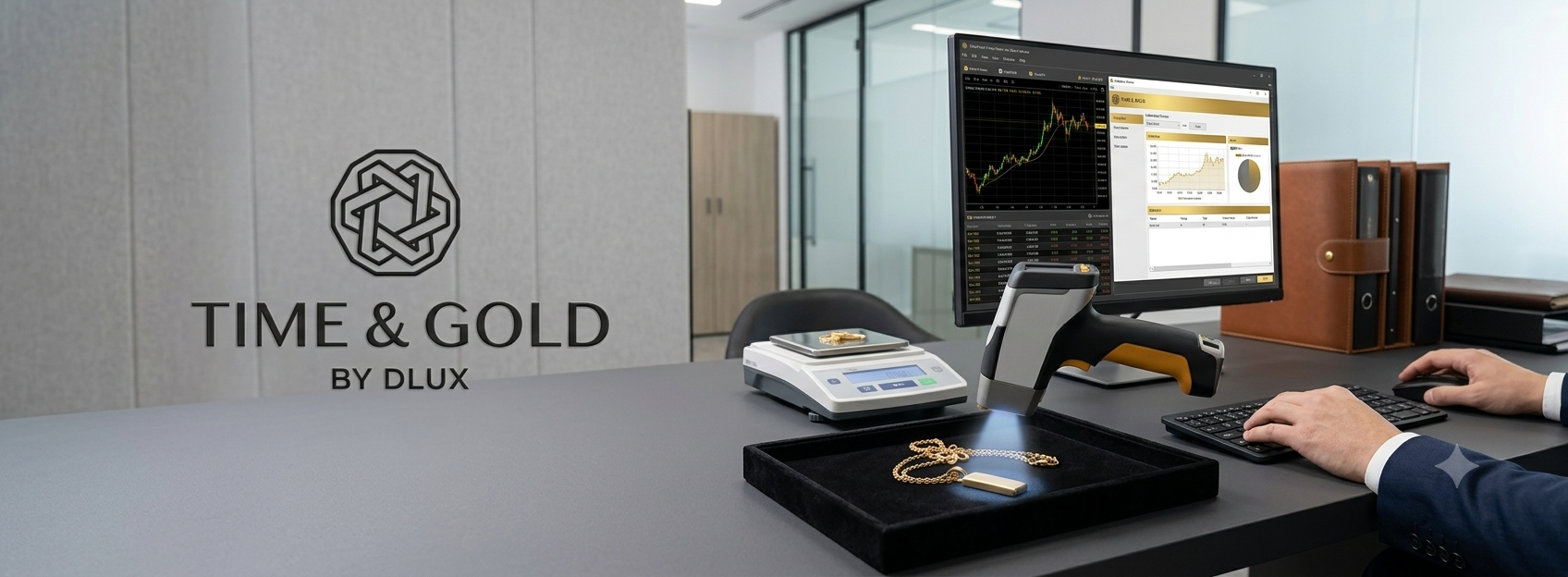
Twenty years ago, selling a gold chain meant watching a buyer squint at it, scratch it with acid, and guess. Even skilled buyers got it wrong sometimes. A scratch test can't always tell 14K gold from 18K gold with certainty, and that small gap can cost you real money.
That guesswork is mostly gone now. Gold buyers use X-ray scanners, live market data, and digital scales that measure down to the hundredth of a gram. If you're planning to Sell Gold Jewellery, knowing how these tools work will help you spot a fair offer and walk away from a bad one.
This guide breaks down the technology behind modern gold valuation, and what it actually means for you as a seller.
Why Gold Valuation Needed an Upgrade
Old-school gold testing relied on three things: a scale, a trained eye, and an acid test.
The acid test works by scratching the metal and dropping acid on the mark, then watching how it reacts. It's cheap and quick, but it's far from precise. It leaves a permanent mark on your jewellery, and it often can't tell the difference between solid gold and a piece that's just gold-plated over a cheaper metal.
Here's why that matters. On a 10-gram gold item, a 2% error in purity can shift your final payout by a noticeable amount. Multiply that across every item a buyer tests in a day, and you can see why the industry needed something better. That's the exact gap modern testing technology was built to close.
XRF Scanning: The New Standard for Purity Testing
X-Ray Fluorescence (XRF) scanning is now the go-to method for professional gold buyers, and for good reason.
Here's how it works in plain terms: an XRF scanner fires a low-level X-ray at the surface of the metal. The atoms in the gold respond by giving off a unique energy signature. The machine reads that signature and tells the buyer exactly what metals are present, and in what proportions. The whole test takes seconds, and it doesn't cut, scratch, or damage your item in any way.
What XRF can detect:
Exact gold purity, down to the karat
Other metals mixed into an alloy
Gold plating sitting over a non-gold base
Consistency across different parts of a piece, which matters for items with soldered joints or repairs
If you've ever had a ring resized or a chain repaired, you'll know the solder used isn't always the same purity as the rest of the piece. A skilled buyer using XRF can spot that instantly, instead of averaging out your whole item at a lower value.
Acid Test vs. XRF vs. LIBS: How the Methods Compare
Method
Speed
Damages Item?
Accuracy
Best For
Acid Test
Slow (minutes)
Yes, leaves a mark
Moderate
Quick rough checks
XRF Scanning
Seconds
No
High
Jewellery, coins, everyday sales
LIBS (laser)
Seconds
Minimal
Very high
Bullion, bars, high-value shipments
Laser-Induced Breakdown Spectroscopy (LIBS) is the more advanced cousin of XRF. It uses a tiny laser pulse to vaporise a microscopic amount of metal, then analyses it at a molecular level. Refiners and large dealers use it mainly to check bullion and bars for counterfeits, since it can catch impurities that even XRF might miss.
If you're getting ready to sell gold jewellery, ask the buyer one simple question: do you use XRF testing? Their answer tells you a lot about whether you're getting an accurate, unbiased valuation or a rough guess dressed up as an expert opinion.
How AI Keeps Gold Prices Current
Gold prices move all day, every day. Currency shifts, global events, and investor demand all push the price up or down within hours. A buyer working off pricing from even a few hours ago could quote you the wrong number without realising it.
Modern gold buyers now use software that tracks live market prices and updates automatically. This software pulls data from global markets, adjusts for currency movements, and reflects the current spot price in real time. That means the offer you receive is based on where the market actually is right now, not where it sat yesterday afternoon.
This also cuts down on human error. Instead of a buyer doing the maths by hand, pricing software runs the same calculation every single time. In practice, this means two sellers walking in with identical items on the same day should walk out with comparable offers, regardless of who served them.
Blockchain and Knowing Where Your Gold Comes From
Blockchain technology is bringing more transparency to the gold supply chain. In simple terms, it creates a digital record that can follow a piece of gold from the mine all the way to the final sale, making it possible to verify exactly where it came from.
For buyers and sellers, this matters most around sourcing. Gold with a documented, verifiable history is easier to trace, and it helps reduce the trade of conflict-sourced gold, an issue that's become a much bigger focus across the jewellery and bullion industry in recent years.
You probably won't see a blockchain record when you sell an old bracelet, but it's worth knowing this technology is quietly reshaping the industry behind the scenes, and pushing more buyers toward ethical, traceable sourcing.
Digital Scales: The Small Detail That Matters
It's easy to overlook, but the scale matters just as much as the purity test. Older mechanical scales could be off by fractions of a gram. On higher-value items, that small error changes your payout more than most people expect.
Digital scales used by professional buyers today:
Measure to hundredths of a gram
Connect directly to valuation software, cutting out manual entry errors
Automatically log the transaction for both parties' records
When accurate purity testing and precise weighing work together, you get a valuation that's genuinely close to your item's true market value, not a rounded-off estimate.
What to Look For When You Sell Gold
Before you hand anything over, run through this checklist:
Ask about the testing method. XRF is the standard to look for. Be cautious of buyers who rely only on a magnet or a scratch test.
Check the day's live gold price before you walk in, so you have a benchmark to compare against.
Bring valid ID. Most legitimate buyers must verify identification as part of anti-fraud regulations. This is standard practice, not a red flag.
Ask how the offer is calculated. A transparent buyer should walk you through it: purity × weight × current spot price, minus their margin.
Keep items clean. Dirt or tarnish won't change the actual gold content, but a clean item is easier to test accurately and quickly.
If you're weighing up your options to Sell Gold in Australia, the same rules apply everywhere: transparency, accurate testing, and live pricing are what separate a fair buyer from a risky one.
Frequently Asked Questions
How is gold purity tested today? Most professional buyers use XRF (X-Ray Fluorescence) scanning, which reads a metal's composition in seconds without damaging the item. Some also use a magnet or acid test as a quick first check before confirming the result with XRF.
Can You Sell Gold Without a Bill? In most cases, yes. You'll typically still need to provide valid photo ID, and the buyer may ask a few simple questions about the item's origin as part of standard anti-fraud checks. Requirements can vary by buyer and by location, so it's worth asking before you go in.
Is XRF scanning safe for my jewellery? Yes. XRF testing doesn't cut, scratch, or apply any chemicals to your item. It's a non-contact, non-destructive test, so your jewellery comes out exactly as it went in.
How do I know if I'm getting a fair price? Compare the day's live spot price for gold against your item's weight and purity, then ask the buyer to walk you through how they calculated your offer. A buyer who explains their process clearly and openly is generally a good sign you're in the right hands.
Why does the gold price change so often? Gold is traded globally, so it reacts constantly to currency movements, interest rates, and investor demand, especially during periods of economic uncertainty, when more people turn to gold as a safer place to store value.
Key Takeaways
Old testing methods like acid tests are quick but imprecise, and can damage your jewellery.
XRF scanning is now the industry standard: fast, accurate, and non-destructive.
Live pricing software means your offer reflects today's gold price, not yesterday's.
Blockchain tracking is improving transparency around where gold comes from.
A precise digital scale is just as important as an accurate purity test.
Always ask how your offer was calculated. A transparent buyer will explain it clearly.
Selling Gold Smarter Starts With Asking the Right Questions
Selling gold used to depend almost entirely on one buyer's experience and judgement. Today, technology has changed that. XRF scanning, live pricing software, digital scales, and blockchain-backed sourcing have made the process faster, more precise, and far easier to verify from the seller's side.
As a seller, the smartest thing you can do is ask questions. How is my gold being tested? What's today's live price? How was my offer calculated? A buyer who can answer all three clearly, using modern tools, is one you can trust with your gold.
Looking to sell gold with a buyer that uses professional XRF testing and transparent, live-market pricing? Get in touch for a valuation.
Written By
Team Times&Gold
Journal Insights
Visit Us in Parramatta!
NO APPOINTMENTS NEEDED!
Located inside DLUX Jewellers
Opposite Commonwealth Bank