Australia's Highest Paying Gold Buyers $$$


Can You Sell Gold Without a Bill? Your Complete Guide to Selling Unreceipted Gold
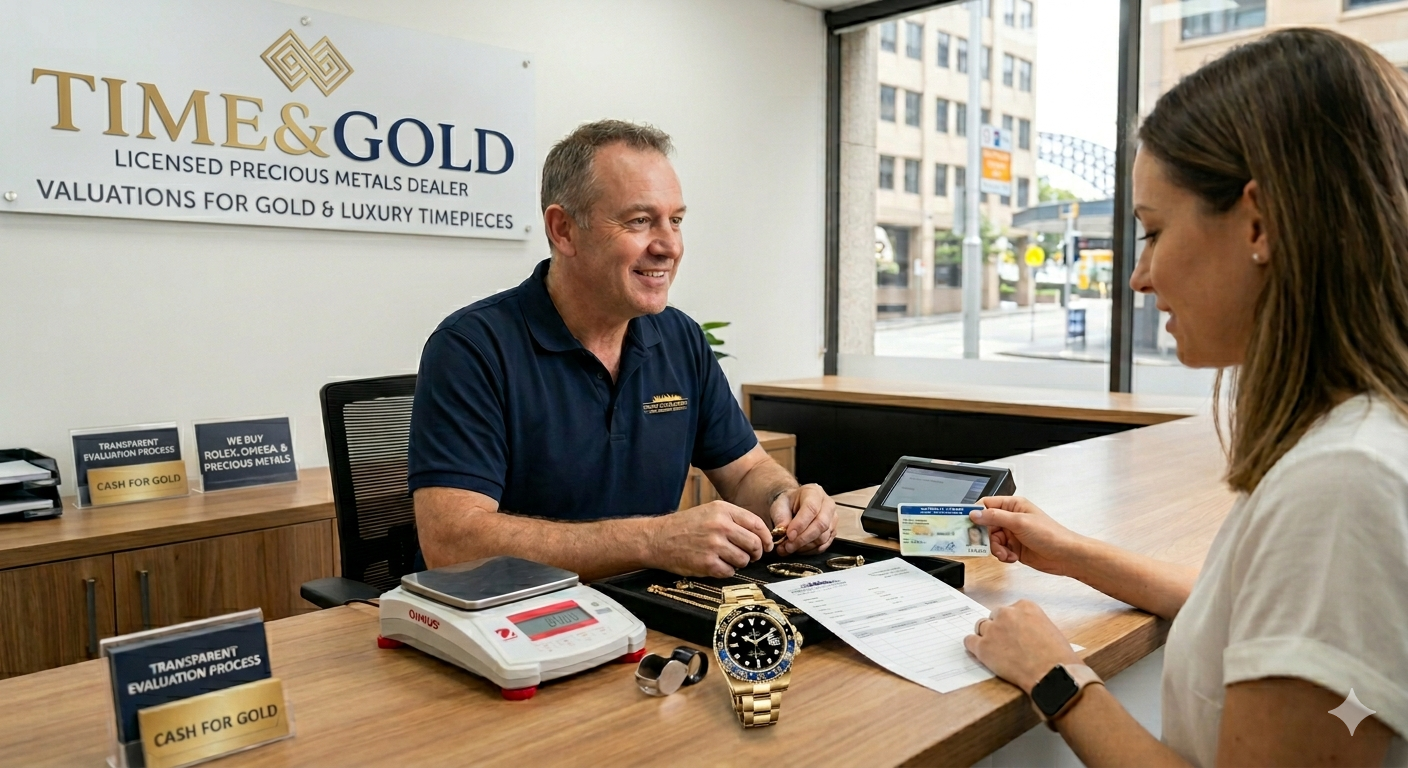
If you're looking to sell gold but can't find the original receipt, you're not alone. At Time & Gold, we've helped thousands of Australians sell inherited jewellery, unwanted gold items, broken chains, old wedding bands, and scrap gold—many without any purchase documentation. One of the most common questions we hear is, "Can I sell gold without a bill?" The answer is yes.
While having a receipt can make the process easier, it is not usually required to sell gold legally. Most reputable buyers rely on professional testing methods, government-issued identification, and ownership verification processes rather than the original sales slip. Understanding how the process works can help you avoid low offers, comply with legal requirements, and maximize your payout.
In this guide, we'll explain why buyers ask for receipts, where you can sell gold without one, how to prove ownership, and the practical steps you can take to get the best possible price in 2026.
Why Buyers Ask for a Bill or Receipt
Legal Rules and Anti-Theft Laws
One reason buyers ask for a bill or receipt is to comply with laws designed to prevent the trade of stolen property. Across Australia and many other countries, gold dealers are required to follow Know Your Customer (KYC) procedures that help verify the identity of sellers.
At Time & Gold, we regularly explain to customers that KYC requirements are often more important than a purchase receipt. A valid driver's licence, passport, or other government-issued identification is typically enough to satisfy legal requirements.
Gold buyers must maintain records of transactions to ensure compliance with local regulations. These records help protect both buyers and sellers and reduce the risk of stolen items entering the market.
Because many people inherit jewellery or receive gold as gifts, lawmakers understand that receipts are not always available. This is why most professional buyers focus on identification and ownership verification rather than requiring original paperwork.
Verifying Gold Purity and Weight
A receipt can provide information about the gold's weight and purity, but professional buyers don't rely solely on paperwork when determining value.
Modern testing equipment allows buyers to verify gold content quickly and accurately. Common testing methods include:
Acid testing
Electronic gold testing
X-ray fluorescence (XRF) analysis
Precision weighing systems
These methods can determine whether an item is 9K, 10K, 14K, 18K, 22K, or 24K gold regardless of whether a receipt exists.
Another important factor is the hallmark. Most genuine gold jewellery contains markings that indicate purity. Hallmarks effectively serve as a built-in verification system and often provide more reliable information than a decades-old receipt.
Impact on the Final Offer
Many sellers assume that missing paperwork will dramatically reduce the amount they receive. In reality, the impact varies depending on the type of gold being sold.
For standard jewellery, the value is usually determined by:
Gold purity
Weight
Current market price
Condition
Collectible value (if applicable)
From our experience as a professional gold buyer in Sydney, most gold jewellery without a receipt receives a valuation very similar to comparable items with documentation because modern testing methods can accurately verify the metal content.
However, investment-grade gold bars, collectible coins, and luxury branded items may command higher prices when original certificates and purchase records are available.
For example, a certified gold bullion bar sold closer to market value because it included original packaging and documentation, while a similar piece without certification was purchased primarily for its melt value.
Where to Sell Gold Without a Receipt
Local Coin Shops and Gold Buyers
Local coin shops and dedicated gold-buying businesses are often the quickest way to sell gold without paperwork.
Most reputable businesses have the tools needed to assess gold on the spot and provide immediate offers. This makes the process convenient for sellers who want fast payment.
When choosing a gold buyer, look for businesses that offer transparent testing, explain their valuation process, and base their offers on current market prices.
If you own bullion or collectible coins, it is also worth learning How to Sell Gold Coin in Sydney before accepting an offer. Gold coins can sometimes carry collectible or investment value beyond their gold content, which may increase the amount you receive.
Pros:
Fast transactions
Immediate payment
Professional testing
No need for original receipts
Cons:
Offers can vary significantly between buyers
Some businesses only pay scrap value
Not all buyers are equally transparent
At Time & Gold, we encourage sellers to compare multiple offers before making a decision. The difference between buyers can sometimes amount to hundreds of dollars, especially for larger quantities of gold.
Reputable Jewelry Stores
Many jewellery stores also purchase gold without requiring the original bill. Instead, they conduct their own appraisal and testing process before making an offer.
This option may be particularly beneficial if you own:
Designer jewellery
Antique pieces
Vintage collections
Luxury branded items
In some cases, a jewellery store may recognize value beyond the gold content itself.
If you also own luxury watches alongside your jewellery, working with a trusted watch buyer in sydney can help you maximize the value of your collection. Professional watch specialists understand the secondary market for premium brands and can often provide valuations that general buyers cannot.
However, some high-end retailers only accept items with supporting documentation, especially when dealing with premium brands or luxury pieces.
Online Gold Buyers and Refiners
Online gold buyers have become increasingly popular because of their convenience and competitive pricing.
The process typically involves:
Requesting a shipping kit.
Sending your gold for evaluation.
Receiving a valuation offer.
Accepting or declining the quote.
Most reputable mail-in buyers do not require receipts. Instead, they verify authenticity through professional testing.
The biggest concern with online selling is shipping security. Always choose services that provide:
Fully insured shipping
Package tracking
Transparent return policies
Secure handling procedures
Never ship valuable items without proper insurance coverage.
How to Prove Ownership Without a Bill
Using Government Identification
For most transactions, government-issued identification is sufficient to establish ownership for legal purposes.
Accepted forms of ID often include:
Driver's licence
Passport
Government identification card
Professional buyers record seller information as part of their compliance obligations. This protects both parties and ensures legal transparency.
Before visiting a buyer, check which forms of identification are accepted to avoid delays.
Providing a Provenance Story
A clear explanation of how you acquired the gold can also help establish ownership.
Common examples include:
Family inheritance
Wedding gifts
Birthday presents
Long-forgotten personal purchases
At Time & Gold, we frequently assist customers who inherited jewellery from parents or grandparents and have no original purchase records.
Supporting evidence such as family photographs showing the jewellery being worn can further strengthen your ownership history.
While not always required, a reasonable and consistent story often increases buyer confidence.
Getting a Third-Party Appraisal
If you're concerned about value or authenticity, consider obtaining a professional appraisal before selling.
Certified gemologists and jewellery appraisers can provide detailed reports covering:
Gold purity
Weight
Market value
Gemstone details
Craftsmanship
For high-value items, an appraisal can effectively replace missing documentation and support stronger negotiations.
However, appraisal fees should be weighed against the item's potential value. Spending hundreds of dollars on an appraisal may not make sense for lower-value scrap gold.
Real Example: Selling Inherited Gold Without a Receipt
One customer recently visited Time & Gold with a collection of inherited jewellery that had been passed down through multiple generations. The family no longer had receipts, certificates, or purchase records.
After verifying identity, testing purity, and assessing weight, the items were successfully valued based on their gold content and current market prices. Because ownership could be reasonably established and the gold's authenticity confirmed through professional testing, the absence of receipts did not prevent the sale.
Situations like this are extremely common and demonstrate why documentation, while helpful, is not always necessary.
How to Get the Best Price
Know the Current Spot Price
Before selling, check the current gold spot price. The spot price represents the market value of pure gold and serves as the foundation for most buyer offers.
Remember that buyers rarely pay 100% of spot price because they must account for:
Refining costs
Operational expenses
Market fluctuations
Business margins
Monitoring live gold prices helps you evaluate whether an offer is fair.
Clean and Organize Your Items
Presentation won't increase the gold's intrinsic value, but organization can streamline the evaluation process.
Helpful preparation steps include:
Separating items by karat
Cleaning visible dirt and debris
Grouping similar pieces together
Removing non-gold accessories when possible
We also recommend weighing your items at home so you have a rough estimate before receiving offers.
The Art of Negotiating
One of the biggest mistakes sellers make is accepting the first offer they receive.
Our valuation specialists recommend obtaining at least three quotes. Different buyers use different pricing models, and payout differences can be substantial.
Before making a final decision, many sellers benefit from comparing Sydney Gold Buyers vs Pawn Shops. While pawn shops offer convenience, dedicated gold buyers often specialize in precious metals and base their offers more closely on live market prices.
Important questions to ask include:
What percentage of spot price do you pay?
Are there refining fees?
Are there additional testing charges?
Is this the final payout amount?
If a buyer refuses to answer these questions clearly, consider looking elsewhere.
Knowing when to walk away from a low-ball offer is often the key to maximizing your return.
Red Flags to Watch Out For
Avoiding "Too Good to Be True" Offers
Scams still exist within the precious metals industry, making caution essential.
Watch for warning signs such as:
Upfront certification fees
Pressure tactics
Unrealistically high promises
Refusal to explain testing methods
Unverified scales
A reputable buyer should always be willing to explain how your gold is evaluated and how the offer was calculated.
Never hand over valuable items for "free testing" without understanding the process and conditions.
Understanding Hidden Fees
Some buyers advertise attractive rates but reduce payouts through hidden deductions.
Common charges include:
Melting fees
Refining fees
Assay costs
Administrative fees
Commission deductions
Always ask for the net payout—the amount you'll actually receive after all deductions.
For example, a buyer may initially value your gold at $1,000 but deduct $75 for refining, $50 for processing, and $25 for administration, leaving you with only $850.
Understanding these fees upfront helps prevent unpleasant surprises.
Conclusion
The good news is that you can absolutely sell gold without a bill. While receipts can provide additional documentation, they are rarely essential for standard gold jewellery sales. Most reputable buyers rely on professional testing methods, government-issued identification, and ownership verification rather than original paperwork.
Before selling, make sure you:
✔ Bring valid identification
✔ Check the current gold spot price
✔ Organize and weigh your items
✔ Compare multiple offers
✔ Ask about fees and payout percentages
✔ Choose a reputable buyer
At Time & Gold, we've seen countless successful transactions involving inherited jewellery, gifts, and older gold items with no receipts. With the right preparation and a trustworthy buyer, you can confidently sell your gold and receive a fair market-based valuation.
Frequently Asked Questions (FAQs)
Can I sell gold without a receipt in Australia?
Yes, you can sell gold without a receipt in Australia. Most reputable gold buyers rely on government-issued identification, ownership verification, and professional gold testing rather than the original purchase bill. This is especially common for inherited jewellery, gifts, and older gold items.
What documents do I need to sell gold if I don't have a bill?
In most cases, you'll need a valid government-issued photo ID such as a driver's licence, passport, or proof-of-age card. Gold buyers use these documents to comply with Know Your Customer (KYC) and anti-theft regulations.
Will I get less money for gold if I don't have a receipt?
Not necessarily. For most gold jewellery, the value is based on purity, weight, and current market prices. However, investment gold, collectible coins, and luxury branded items may achieve higher prices when original certificates or receipts are available.
How do gold buyers verify gold without a receipt?
Professional buyers use various testing methods, including acid tests, electronic gold testers, and X-ray fluorescence (XRF) technology. These methods accurately determine gold purity and authenticity without needing purchase documentation.
Can I sell inherited gold without proof of purchase?
Yes. Inherited gold is one of the most common types of unreceipted gold sold today. Buyers typically ask for identification and may request information about how you acquired the jewellery, but original purchase records are rarely required.
Is it legal to sell gold without a bill?
Yes, selling gold without a bill is legal as long as you are the lawful owner of the item and comply with local identification requirements. Reputable buyers maintain transaction records to meet legal obligations and prevent the purchase of stolen goods.
Where is the best place to sell gold without a receipt?
Dedicated gold buyers, reputable jewellery stores, and established precious metal dealers are usually the best options. Always compare multiple offers and choose businesses that provide transparent valuations based on current market prices.
Can I sell gold coins without a receipt?
Yes, gold coins can be sold without a receipt. However, some investment-grade coins may receive higher offers if you have original packaging, certificates, or authentication documents. Understanding How to Sell Gold Coin in Sydney can help you maximize the value of collectible or bullion coins.
Should I get an appraisal before selling gold without a bill?
For high-value jewellery, antique pieces, or items with gemstones, a professional appraisal may be worthwhile. For standard scrap gold, the appraisal cost may outweigh any additional value gained during negotiations.
How can I avoid scams when selling gold?
To avoid scams:
Compare quotes from at least three buyers.
Ask how your gold will be tested.
Request a breakdown of any fees.
Avoid buyers who demand upfront payments.
Ensure scales and testing methods are transparent.
Research reviews before choosing a gold buyer.
About the Author
This article was reviewed by the valuation team at Time&Gold, a trusted Australian gold buyer specializing in gold jewellery, bullion, luxury watches, diamonds, and precious metals. Drawing on years of hands-on experience and thousands of customer valuations, the team provides transparent insights to help Australians make informed decisions when selling gold.
Written By
Team Times&Gold
Journal Insights

Visit Us in Parramatta!
NO APPOINTMENTS NEEDED!
Located inside DLUX Jewellers
Opposite Commonwealth Bank