Australia's Highest Paying Gold Buyers $$$


How to Sell Gold Jewellery Without Losing Money
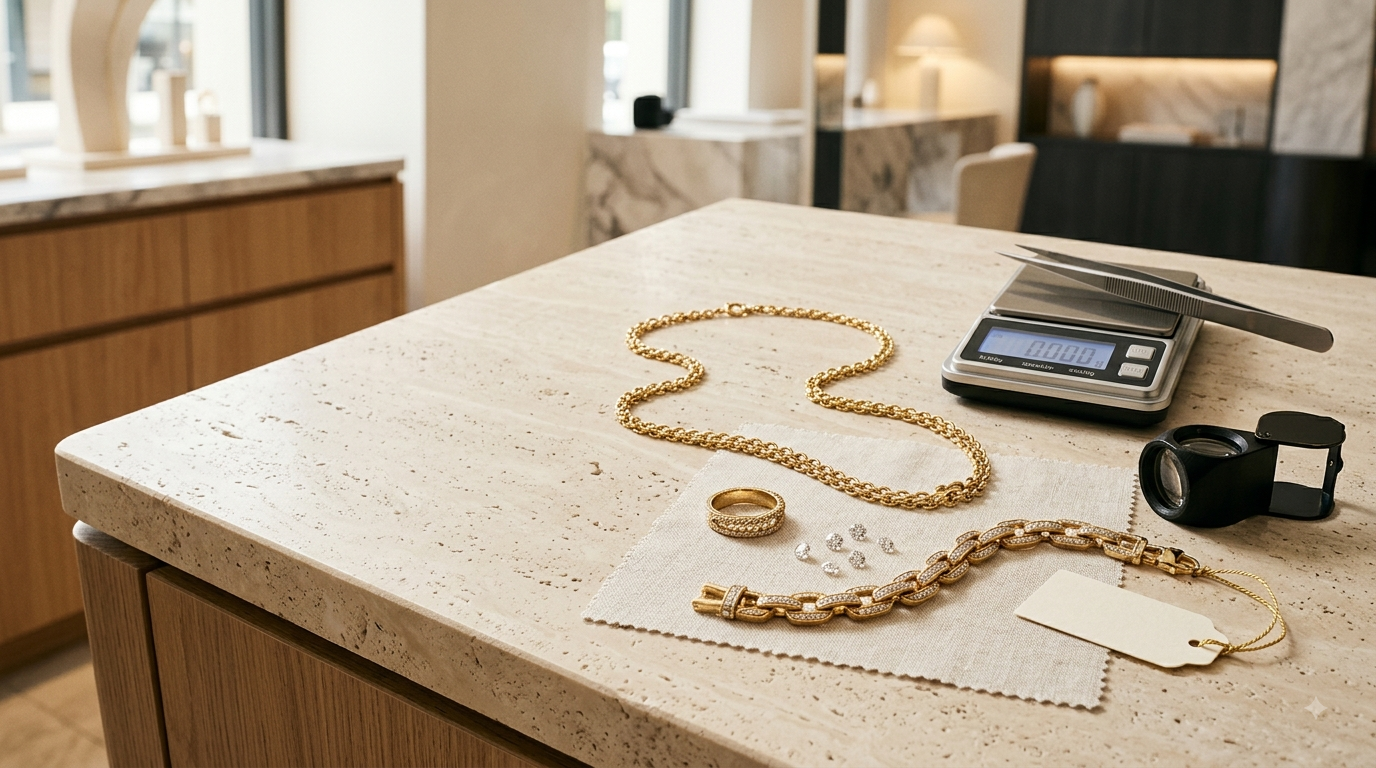
A ring insured for $12,000 does not necessarily sell for anything close to $12,000. Insurance value, retail price, auction estimates and resale value are different things. If you plan to sell gold jewellery, understanding this difference before you speak to a buyer can help you make a better decision.
The value of jewellery can come from several places. Its gold content matters, but so can gemstones, brand, age, design, condition and history. A plain gold chain may be valued mainly for its metal. A signed designer ring may be worth more because of its brand and design.
The key is to work out what you actually own before choosing how and where to sell it.
Why Jewellery Can Sell for Less Than Its Original Price
The retail price of jewellery includes much more than the raw metal. It can include manufacturing, design, labour, shop costs, marketing, GST and the retailer's margin.
When you sell that jewellery, a buyer is looking at it from a different position. They need to consider what the item is worth in the current market and what they can do with it after buying it.
Gold prices also change throughout the day. The international spot price is a useful reference, but it is not the same as the amount you will receive for a piece of finished jewellery.
For example, the gold price reported on 17 August 2026 was around US$4,402 per troy ounce. That figure is for gold traded in the global market, not a guaranteed payout for jewellery.
This distinction matters. A professional buyer may use current market prices when calculating an offer, but the final amount can also depend on purity, weight, the type of item and the buyer's pricing model.
Work Out What Your Jewellery Is Really Worth
Start With the Metal
For plain gold jewellery, the metal is often the main part of the value.
A simple starting calculation is:
Weight × purity × current gold price = estimated gold content value
Common gold markings include:
9K – 37.5% gold
14K – 58.5% gold
18K – 75% gold
22K – about 91.7% gold
You may also see markings such as:
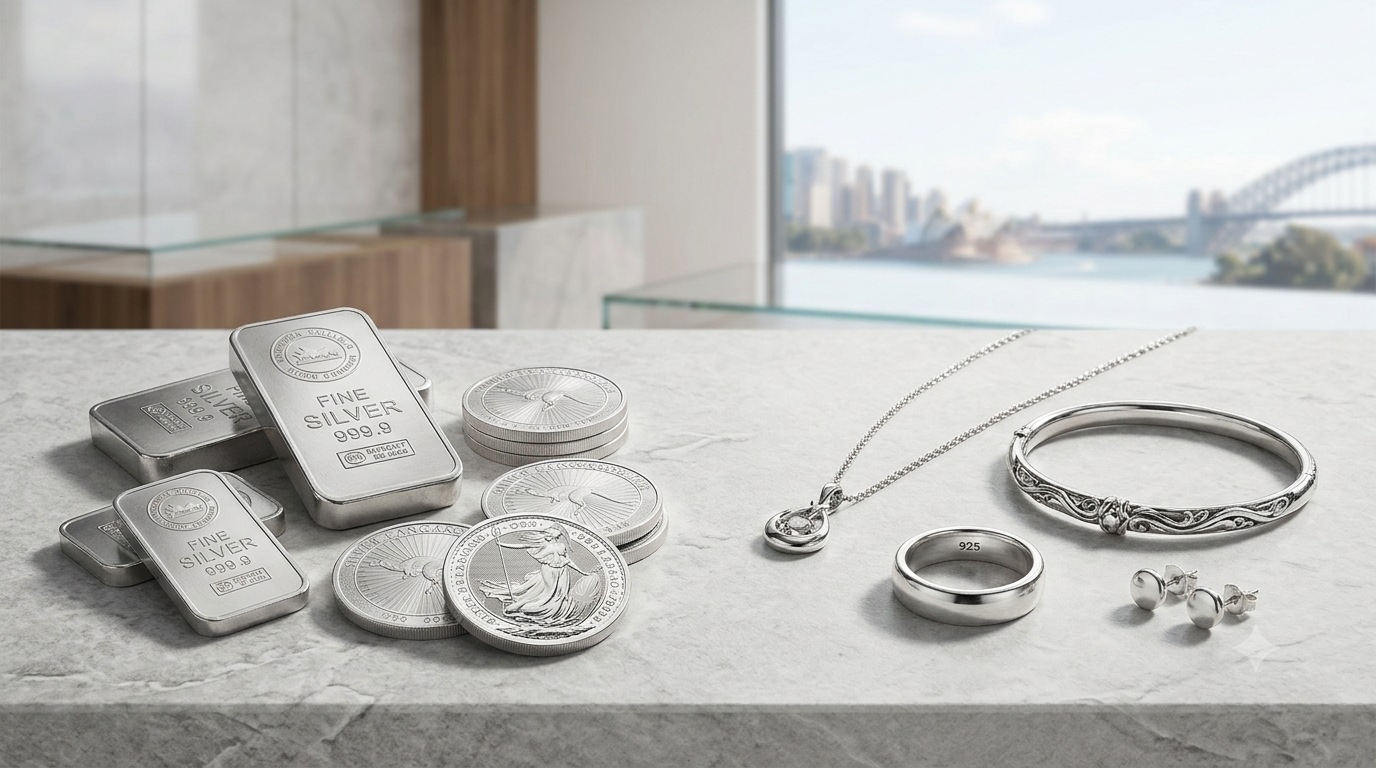
925 for sterling silver
950 for platinum
This calculation only gives you an estimate of the metal content. It is not a guaranteed buying price.
The final offer can depend on testing, market conditions, processing costs and the buyer's business model. That is why it is worth asking how a buyer reached the number rather than simply asking, "How much per gram?"
Check the Stones, Brand and History
Do not assume that all jewellery should be sold for its gold weight.
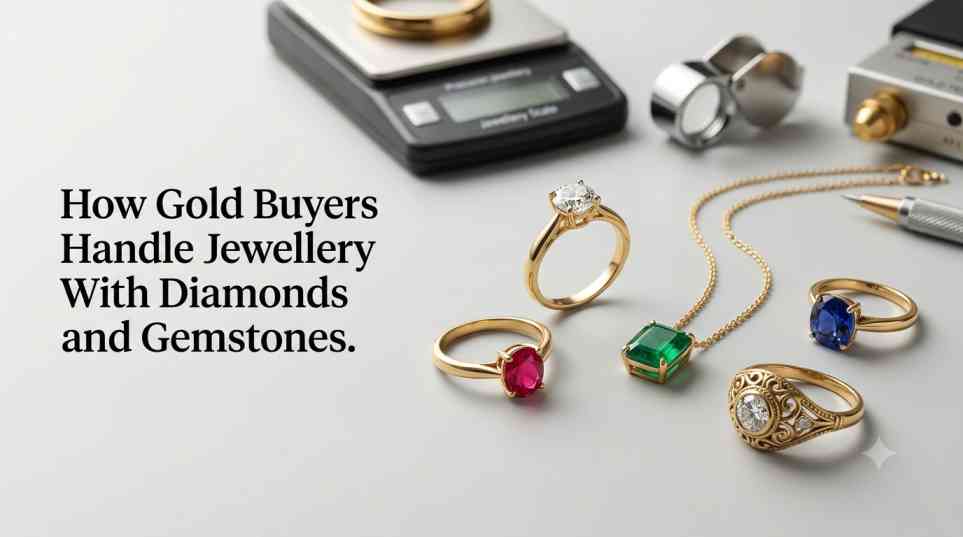
A diamond, coloured gemstone or well-known brand can add value to a piece. Diamonds are commonly assessed using the 4Cs: cut, colour, clarity and carat weight. A recognised laboratory report can also help confirm important details about a stone.
Coloured gemstones are different. Their value can depend on factors such as colour, origin, treatment, rarity, size and condition.
Brand can matter as well. Jewellery from recognised luxury brands may attract buyers who understand the design and provenance of the piece.
Before selling, look for:
Original receipts
Gemstone reports
Certificates
Original boxes
Service records
Maker's marks
Hallmarks
Previous valuations
These documents do not guarantee a higher price, but they can make it easier for a buyer to understand what they are looking at.
Get the Right Type of Valuation
One of the most common mistakes is assuming that an insurance valuation tells you what you will receive when selling.
It does not.
Different valuations serve different purposes:
Insurance replacement value: An estimate of what it may cost to replace the item through a retail channel.
Fair market value: An estimate based on a transaction between a willing buyer and seller.
Auction estimate: An expected selling range used for an auction.
Resale value: An estimate of what the item may achieve through a particular selling route.
Quick-sale value: A value where getting the money quickly is a priority.
If you are preparing to sell an expensive or unusual piece, make sure the valuation matches your reason for getting it valued.
An item insured for $12,000 may therefore receive a much lower resale offer without either figure necessarily being wrong.
Prepare Your Jewellery Before Selling
Gather Your Documents
Put all the useful information about the jewellery in one place.
This could include:
Purchase receipts
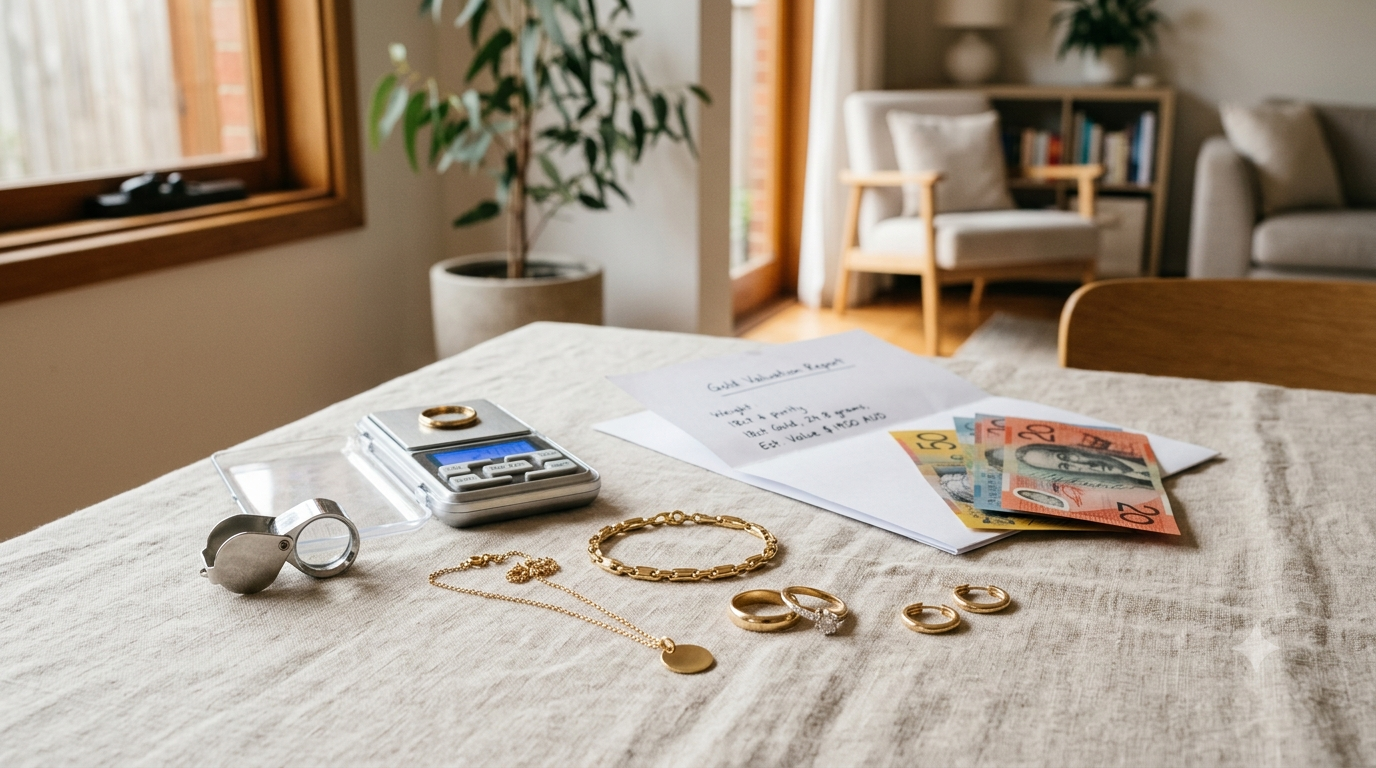
Valuation reports
Diamond or gemstone reports
Hallmark information
Repair records
Original packaging
Proof of previous servicing
Having this information ready can make the selling process easier.
It can also help a specialist buyer identify features that may be missed if the piece is treated as ordinary scrap gold.
Be Careful With Cleaning
Cleaning can improve the appearance of jewellery, but not every piece should be cleaned at home.
Extra care is needed with items such as:
Pearls
Opals
Emeralds
Antique jewellery
Loose stones
Older or delicate settings
Harsh chemicals, heat or incorrect cleaning methods can cause damage.
If you are unsure about the piece, it is safer to ask a professional before cleaning it.
If you are selling online or asking for an initial opinion, take clear photos. Show the front, side, hallmarks, maker's marks and any visible damage.
Do not use heavy filters that change the appearance of the jewellery.
Choose the Right Buyer for Your Jewellery
Not every jewellery item should be sold through the same route.
Selling route
Speed
May suit
Main consideration
Gold buyer
Fast
Plain or unwanted gold
Offer may focus on metal value
Specialist jeweller
Medium
Branded or unusual pieces
May offer consignment
Auction house
Medium to slow
Rare or high-value pieces
Fees and auction conditions
Private sale
Slow
Items with strong buyer appeal
More time and risk
A Gold Buyer can be a practical choice if you have unwanted gold jewellery, broken chains, old pieces or items where the metal makes up most of the value.
For a designer, antique or gemstone-heavy piece, it may be worth speaking with a specialist who can consider more than the metal.
The important point is to match the selling route to the item.
If You Want to Sell Gold in Orange
If you are looking to Sell Gold in Orange, compare buyers carefully rather than choosing one based only on an advertised price.
Look at how the buyer tests the jewellery, how the price is calculated, whether the offer is explained clearly and how payment works.
Time & Gold's Orange service-area information directs customers to its Parramatta showroom at 260 Church Street, Parramatta, rather than suggesting there is a physical Time & Gold shop in Orange.
This distinction is important. A service-area page does not automatically mean the business has a physical branch in that suburb.
Compare the Final Amount, Not Just the Rate
A high advertised rate does not always mean you will receive the most money.
Before accepting an offer, ask:
What is the total offer?
How was it calculated?
Is the price based on weight and purity?
Are there any fees or deductions?
Can the offer change after testing?
How will payment be made?
When will payment be received?
Write the answers down if you are comparing several buyers.
The most useful number is the amount you actually receive.
For a simple gold chain, comparing the offered amount against its weight and purity can be helpful. For a designer or antique piece, you may also need to consider its brand, design, gemstones and condition.
Get More Than One Opinion
You do not have to accept the first offer.
If the item is valuable, getting two or three suitable opinions can help you understand the market.
Send the same basic information to each buyer and compare the final offers.
Be careful if someone:
Pressures you to accept immediately
Refuses to explain the price
Changes the offer without a clear reason
Wants you to send valuable jewellery before payment
Provides unclear terms
Uses pressure or fear to make you decide quickly
A professional selling process should give you enough information to make your own decision.
What to Look for in a Professional Gold Buyer
A transparent buying process should make it clear what is being tested, how the item is weighed and how the offer is calculated.
Time & Gold states that its Parramatta process includes testing and weighing items in front of customers and calculating offers using live market rates. The business also says that walk-ins are welcome without an appointment.
Time & Gold operates from 260 Church Street, Parramatta NSW 2150, inside DLUX Jewellers. Its website lists payment options including cash and instant bank transfer, allowing customers to receive payment on the spot after accepting an offer.
This is also part of Why People Trust a Professional Gold Buyer: the customer can see the process rather than simply being handed a number without an explanation.
The important thing is not to trust a buyer simply because they call themselves professional. Look at what they actually do.
A Simple Example
Imagine you have an 18K gold chain with no brand, gemstones or unusual design.
In this case, the metal is likely to be the main factor in the offer. You can check the chain's weight and purity, look at the current gold market, and compare offers from several reputable buyers.
Now imagine you have a signed designer ring with a gemstone, original box and purchase documents.
The situation is different. A buyer who values only the gold content may not be considering everything that makes the ring desirable.
This is why the right selling route matters.
Frequently Asked Questions
How is the value of gold jewellery calculated?
The starting point is usually the item's weight, gold purity and the current market price of gold. The final offer can also depend on the type of jewellery, testing, market conditions and the buyer's pricing method.
Is gold jewellery worth more than its gold weight?
Sometimes. Plain or damaged jewellery may be valued mainly for its metal content. Designer, antique or gemstone jewellery may have additional value because of its brand, design, stones, rarity or history.
Should I get my jewellery valued before selling it?
It depends on the piece. For ordinary gold jewellery, comparing current market prices and offers from reputable buyers may be enough. For valuable, unusual, antique or branded jewellery, an independent valuation can help you understand what you have before selling.
Does an insurance valuation tell me how much my jewellery will sell for?
No. An insurance replacement value is designed to estimate the cost of replacing an item, not the amount you will receive from a buyer. Resale value can be much lower.
Should I compare more than one gold buyer?
Yes, especially if the jewellery is valuable. Comparing several suitable buyers can help you understand the market and identify differences in pricing, fees and payment terms.
What should I bring when selling gold jewellery?
Bring the jewellery itself and, where available, receipts, gemstone reports, certificates, valuation documents, original packaging and other paperwork that proves the item's details.
How does a professional gold buyer test jewellery?
A professional buyer may use testing equipment to identify the metal and its purity and then weigh the item. Time & Gold says it tests and weighs gold in front of customers, helping them understand how the offer is reached.
Can I sell gold jewellery without an appointment?
This depends on the buyer. Time & Gold says customers can walk in without an appointment during its opening hours at its Parramatta location.
Before You Accept an Offer
Use this checklist before you sell:
Identify the metal and purity.
Check the weight.
Look for gemstones and maker's marks.
Check whether the item is branded.
Gather receipts and certificates.
Check the current gold market.
Ask how the buyer calculated the offer.
Compare more than one suitable buyer.
Check for fees or deductions.
Compare the final amount you will receive.
Do not accept pressure to decide immediately.
Final Thoughts
Selling jewellery is not simply a matter of finding today's gold price and accepting the first number you hear.
A plain gold chain may be valued mainly for its metal. A branded ring, antique piece or gemstone jewellery may have additional value that needs to be considered.
Before you sell gold jewellery in Sydney, find out what you own, gather your paperwork and compare the right selling options.
If you choose a professional buyer, look for a clear process. You should be able to understand how the item is tested, weighed and valued before deciding whether to accept the offer.
The best offer is not always the fastest one. It is the offer that makes sense for the jewellery you actually own and leaves you comfortable with the final amount you receive.
Written By
Team Times&Gold
Journal Insights
Visit Us in Parramatta!
NO APPOINTMENTS NEEDED!
Located inside DLUX Jewellers
Opposite Commonwealth Bank